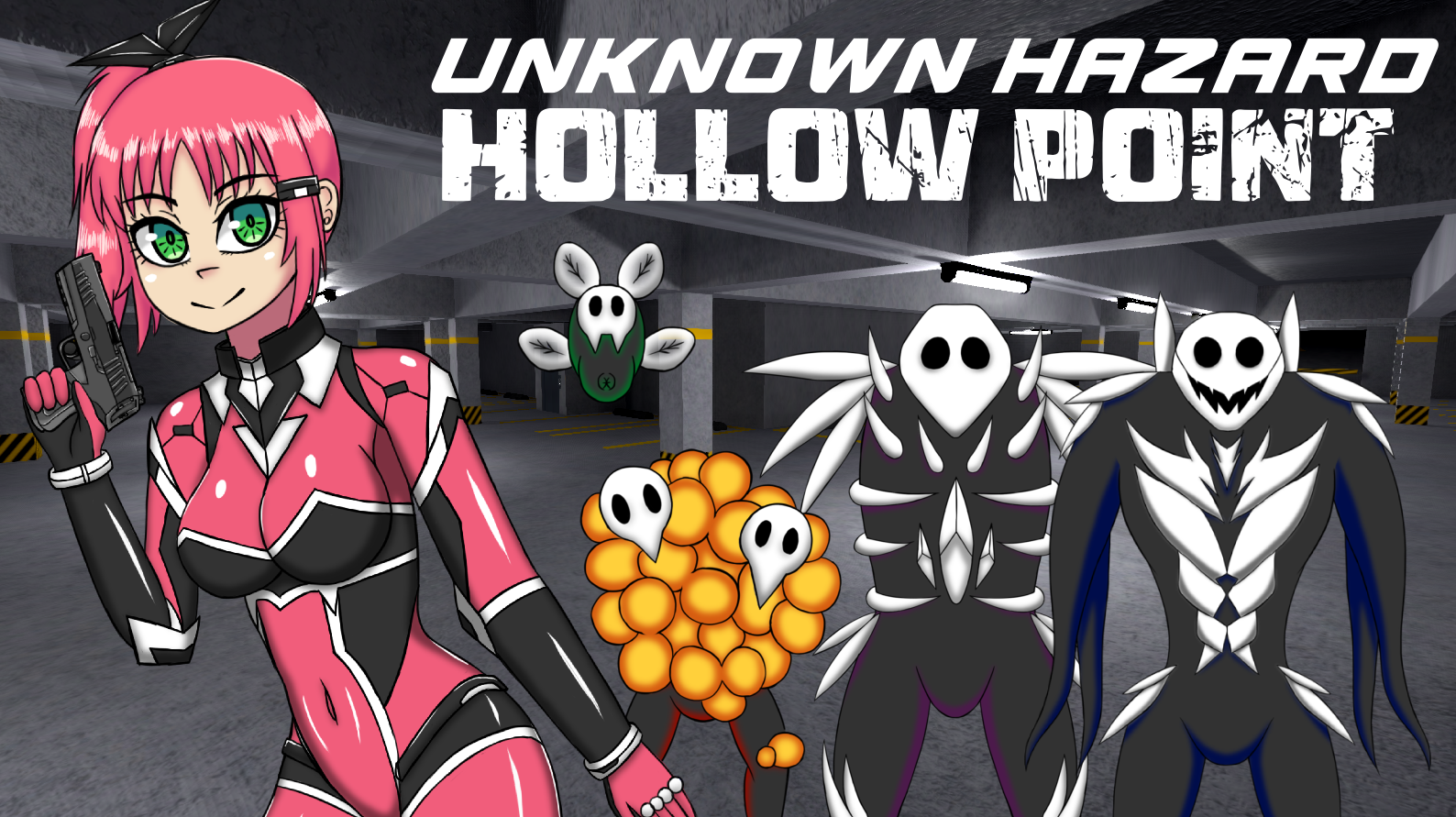
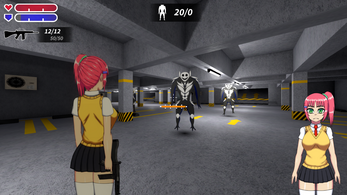
Unknown Hazard: Hollow Point (In Development) is a tactical action shooter that mixes close-quarters tension with deliberate long-range planning in a science fiction environment, offering a sandbox of modular tools, evolving missions, and emergent enemy behavior during early access development. The build emphasizes smart decision-making over reflex-only play and is intended for players who enjoy planning approaches, conserving resources, and adapting tactics as encounters unfold. Because the title is clearly labeled as in development, updates are frequent and community feedback plays an active role in balance and content direction.
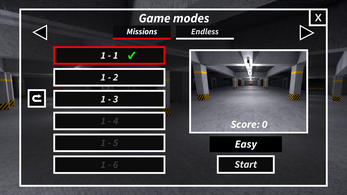
At its core, Unknown Hazard: Hollow Point (In Development) positions you as an operator moving through contested zones where environmental dangers and rival factions intersect. Objectives vary from exfiltration and sabotage to high-value rescues, requiring players to choose infiltration routes, prioritize targets, and manage scarce supplies over extended operations. Missions are built to support multiple solutions: stealth, distraction, direct assault, or technical approaches using gadgets and environmental manipulation.
Gameplay focuses on a tight loop of reconnaissance, loadout selection, execution, and extraction with measurable consequences for mistakes. The enemy AI is designed to flank, call reinforcements, and take advantage of cover, which forces mid-mission tactical shifts rather than repetitive patterns. An injury and suppression system affects aim and mobility, so damage management and choosing when to disengage are meaningful decisions. Difficulty and challenge scale with mission objectives and optional constraints, such as time-sensitive targets or low-resource runs, which increase replay value by encouraging different strategies.
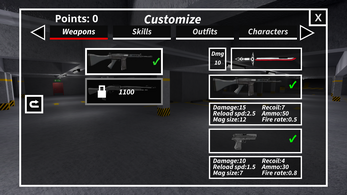
Weapons are modular with attachment slots for barrels, optics, and specialized ammo types; each modification changes handling, recoil, and effective range, inviting experimentation to find a preferred balance. Gadgets—drones, breaching charges, and recon beacons—enable non-lethal or indirect approaches and can be combined in creative ways to overcome obstacles. The game avoids gimmicks: customization affects measurable performance and interacts with mission conditions, and equipment choices are meaningful over the course of multi-stage operations.
Maps blend verticality and multiple ingress and egress points so that planning routes matters. Urban ruins, industrial complexes, and hazardous wilderness zones present distinct tactical considerations; for example, toxic fog that drifts through a sector can be used to mask movements but will also degrade visibility for friendly sensors. Intermittent power outages, destructible cover, and environmental devices provide both risk and opportunity, encouraging players to scout and use the environment to their advantage.
Control schemes support touch and external controllers with customizable bindings to match player preference, and the interface is designed to surface essential information without clutter. Contextual prompts assist during complex actions like breaching or hacking while a minimalist HUD keeps sightlines clear. Accessibility options include adjustable contrast, simplified control presets, and aim-assist toggles to make the game approachable to a wider audience without removing tactical depth.
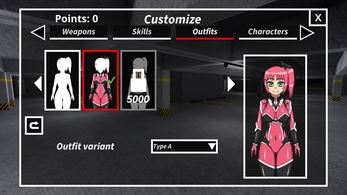
Progression combines character skills and weapon proficiency: players earn experience through missions that unlock passive perks, new gadgets, and improved handling for frequently used weapons. Weapons themselves improve with use, gaining performance upgrades and minor tuning that rewards continued investment. Side objectives and optional challenges supply narrative fragments and resources that alter future mission planning, while iterative balance updates during development reshape progression to keep the meta evolving.
Visuals aim for a gritty, high-contrast aesthetic with dynamic lighting and detailed breakable objects, while audio emphasizes directional cues—gunfire, drone mechanics, and ambient hazards—so sound becomes an important tactical tool. Performance tuning is ongoing, with options for texture detail, frame-rate caps, and presets targeting different device tiers; core features are playable offline so single-player progression and most mission content remain accessible without a persistent connection. Players testing Unknown Hazard: Hollow Point (In Development) should expect regular patches that refine performance and add content based on feedback.
When you start Unknown Hazard: Hollow Point (In Development), focus on mastering one weapon class and a single gadget to build reliable routines, then gradually expand your toolkit as missions introduce new threats. Scout before committing to a route, conserve high-value consumables for pivotal encounters, and experiment with attachments to adapt a weapon to the mission profile. Early adopters can influence weapon tuning and map adjustments by reporting constructive feedback, making the development cycle a collaborative part of the experience.