
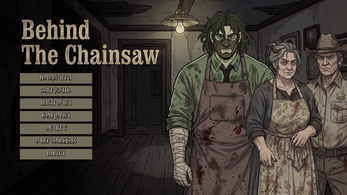


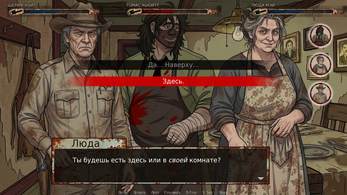
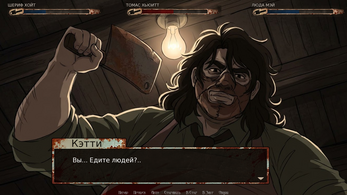
BehindTheChainsaw plunges players into a tense, atmospheric horror-survival experience where stealth, quick thinking, and environmental interaction determine whether you live. This game blends chase sequences, resource management, and puzzle-solving across handcrafted locations, delivering high-stakes encounters with relentless pursuers and unpredictable events.
BehindTheChainsaw centers on a simple yet brutal premise: escape or be caught. The core loop alternates between sneaking through dimly lit interiors and sprinting through open grounds while a hunter closes in. Players must balance noise, visibility, and stamina, using improvised tools and the environment to create distractions, block paths, or buy a few precious seconds to hide.
Interaction is tactile and reactive. Doors, windows, lockers, and fences all respond to player actions, allowing multiple routes and creative solutions. A stamina meter governs sprinting and recovery, while a fear or stress indicator influences aim and movement steadiness. Sound propagation is simulated so that clumsy footsteps, slammed doors, or dropped objects can betray your position to the antagonist.
Maps in BehindTheChainsaw are designed as compact arenas with layered verticality and hidden passages. Each area offers unique hazards and tactical opportunities—broken generators, unstable structures, or environmental puzzles that must be solved to unlock escape routes. Progression unlocks new maps and modifiers: night cycles, limited power, or altered AI behaviors keep each run feeling fresh and threatening.
The player avatar is customizable with visual skins and minor stat variations, influencing stealth, endurance, or repair speed. The primary antagonist is a relentless chaser with predictable routines that evolve into adaptive behavior as difficulty increases. Secondary threats—guard dogs, traps, and environmental dangers—force the player to prioritize objectives and adapt strategies between stealth and confrontation.
Resources are deliberately scarce. Collectible items such as batteries, medkits, and makeshift tools are essential for survival. A lightweight upgrade system lets you spend points to enhance stamina, reduce noise, or craft one-time-use gadgets. Choices are meaningful: invest in long-term perks or hoard consumables for immediate benefit. This tension between short-term survival and permanent upgrades deepens replayability.
Smart play in BehindTheChainsaw rewards observation and patience. Learning patrol patterns, using line-of-sight blocking objects, and timing distractions are key to outsmarting foes. When confrontation is unavoidable, players must exploit choke points and set traps. Flexibility is crucial—what works in one map or run may fail when the AI switches tactics, so adaptive strategies and quick decision-making are essential.
The control scheme is optimized for touchscreens with context-sensitive interactions to streamline complex actions like climbing, hiding, and using items. Performance is tuned for a wide range of devices: graphical fidelity scales with hardware while preserving frame stability on mid-range phones. Options include sensitivity adjustments, control layouts, and quality presets to balance visuals and responsiveness.
BehindTheChainsaw relies on moody lighting and environmental sound design to build tension. Flickering lights, distant chainsaw revs, and dynamic ambient noises keep players on edge. Visuals favor practical details over flashy effects—scuffed walls, blood-smudged floors, and interactive debris contribute to immersion without sacrificing performance on resource-limited devices.
Begin with conservative play: prioritize stealth, learn one map thoroughly, and conserve consumables. Experiment with the upgrade tree to find a build that suits your style—silence-focused builds reduce detection, while endurance-focused builds let you outrun close calls. As you grow more confident, push for higher-difficulty modifiers and alternative objectives to unlock deeper content.
BehindTheChainsaw offers a compact but rich horror experience that values player choice and emergent gameplay. The mixture of tense chases, thoughtful resource management, and interactive maps creates memorable runs that evolve with experience. If you enjoy stealth-oriented survival challenges with a strong emphasis on atmosphere and tactical improvisation, this title delivers intense, repeatable encounters.