

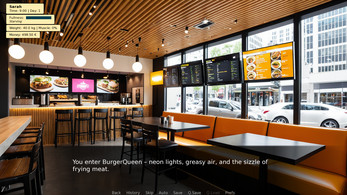


Opentown: Feeder Chronicles is an open-world strategy RPG that challenges players to revive a neglected settlement by managing resources, recruiting allies, and navigating branching storylines. The game blends base construction, tactical skirmishes, and exploration while rewarding careful planning and creative problem solving across diverse environments.
At its heart, Opentown: Feeder Chronicles centers on rebuilding a community from the ground up. You balance immediate needs—food, shelter, defense—with longer-term goals like trade routes, cultural development, and mystery-solving. The narrative unfolds through quests and character interactions, so choices influence who stays, who leaves, and how the town evolves.
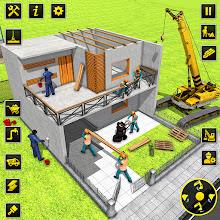
The mechanics combine city management with squad-level tactics. Build workshops, farms, and defensive structures, then equip a roster of unique characters for skirmishes that demand positioning and resource use. Combat is approachable but strategic: flanking, ability synergies, and environmental objects can turn a tight encounter into a decisive victory. Crafting ties into progression, enabling upgrades for both your settlement and individual units.
Progression in Opentown: Feeder Chronicles rewards diversification. Invest in different production chains to avoid shortages, specialize characters into roles such as scout, healer, or engineer, and unlock technologies to expand your strategic options. Seasonal events and randomized missions keep the meta shifting, encouraging adaptive strategies rather than a single dominant build. Success depends on anticipating supply bottlenecks and leveraging character traits to overcome map-specific challenges.
The game world is divided into distinct biomes, each with its own resources, hazards, and story beats. Exploration reveals hidden sites, side quests, and salvageable structures that can be incorporated into the town. Characters arrive with backstories and special abilities; recruiting them often requires fulfilling personal tasks or demonstrating the town’s stability. Dialogue choices influence relationships and can unlock alternative quest lines.
Customization is layered and meaningful. Layout planning affects production efficiency, while decorative choices alter morale and citizen behavior. Upgrading buildings unlocks new functions: a simple granary may evolve into a processing facility that yields higher-value goods. Equipment customization for characters is modular, so you can tailor specialists for specific expedition roles or reserve flexible builds for general use.
Designed for mobile play, Opentown: Feeder Chronicles offers intuitive touch controls that translate well to larger screens. Menus are organized for quick access to production queues and squad deployment. Performance scales across devices, with adjustable graphics and battery-saving modes to maintain smooth gameplay on mid-range hardware. Networked features like trading and leaderboards are optional, ensuring offline play remains fully rewarding.
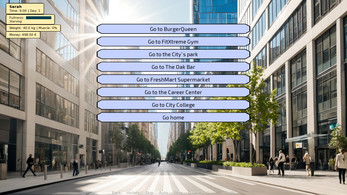
The aesthetic blends handcrafted environments with readable UI elements that communicate important state information at a glance. Art direction favors clarity over hyperrealism, which helps in tactical planning and base management. Audio cues support gameplay decisions—alerts for resource shortages, combat prompts, and ambient tracks that shift with time and location—adding to immersion without becoming intrusive.
Begin by prioritizing food and shelter to stabilize morale, then open one production chain fully before expanding. Recruit at least one versatile character early to handle exploration tasks. Use the map’s scouting system to identify high-value resource nodes and avoid overextending supply lines. Regularly rotate characters to gain experience across mission types and monitor building placement to minimize travel time.
Opentown: Feeder Chronicles appeals to players who enjoy meaningful choices, layered management systems, and emergent storytelling. Its blend of tactical confrontations and settlement planning creates moments of both intimate character drama and high-stakes strategic decision-making. For those seeking an evolving sandbox with clear progression and rewarding experimentation, it offers deep engagement across many hours of play.