
Call Thiefter drops players into a fast-paced stealth strategy game where timing and misdirection matter. You plan heists, intercept communications, and outsmart rivals across colorful levels. The mix of gadgets, short missions, and escalating challenge makes each session tense, strategic, and refreshingly unpredictable.
At its core, Call Thiefter blends tactical decision-making with arcade-style action. Each level asks you to complete objectives while avoiding detection, juggling limited resources, and reacting to enemy patterns. Rather than a single long campaign, the structure favors short, replayable runs that reward better planning and sharper execution.
Gameplay revolves around a few simple but deep systems: line-of-sight stealth, gadget inventory, and a dynamic alert meter that governs enemy behavior. Players earn currency and experience from successful missions. Currency unlocks new tools and cosmetic options; experience increases your core stats and opens advanced mission types. Difficulty ramps by introducing new enemy types, environmental hazards, and timed objectives.
A single mission in Call Thiefter starts with a brief objective briefing and a choice of loadout. You scout the level, look for patrol patterns, and mark key nodes. Early moves often set the tempo: eliminate a camera, plant a distraction, or quietly intercept a transmission. Alert management matters; a high alert level brings reinforcements and shrinks your margin for error. The best runs combine stealthy approach with a well-timed gadget use.
Characters are not overcomplicated but serve distinct roles. Some specialize in quick movement, others in tech or heavy disruption. Maps vary in scale and design to encourage different tactics — linear corridors favor precision, while multi-room arenas invite improvisation. Daily challenges and rotating maps keep the experience fresh and encourage players to refine specific strategies.
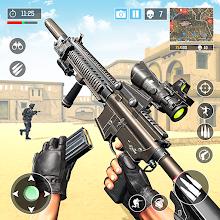
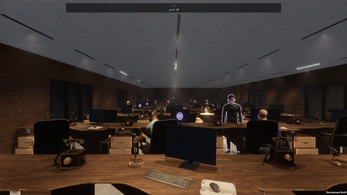
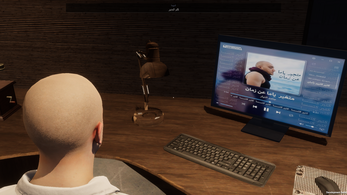
The visual presentation favors clarity over hyper-realism. Minimal HUD elements and crisp icons make it easy to read the situation at a glance. Animations are smooth on mid-range devices, and load times stay short between missions. Control schemes are responsive: touch controls map logically to actions, and sensitivity settings let players fine-tune responsiveness.
Call Thiefter rewards patience and creativity. While a rash approach often ends runs quickly, careful play yields satisfying breakthroughs. The mission-based format makes each failure feel like an opportunity to learn rather than a frustrating setback.
Replayability is a major draw. Short missions, diverse gadgets, and incremental upgrades create a loop that invites repeated attempts. Competitive players will enjoy optimizing routes and comparing clear times, while casual users can enjoy learning the systems over time without long commitments.
Installation is straightforward: the game's package is compact, and initial tutorials guide you through core mechanics. Early missions act as living tutorials, introducing one new element at a time so you can absorb systems naturally. Regular update notes introduce new content and balance tweaks, helping the game evolve without overwhelming newcomers.
For players who enjoy intelligent stealth with bite-sized sessions, Call Thiefter offers a polished mix of planning and action. It balances accessibility with enough depth to keep dedicated players engaged, making it a solid pick for short commutes or focused play sessions at home.