

Pc simulator 2D puts classic PC building and hardware troubleshooting into a compact two-dimensional environment where players assemble components, test systems, and solve hardware puzzles. This lightweight simulator blends educational mechanics with approachable visuals, offering a focused experience for anyone curious about how desktop hardware fits and functions.
This title reduces complex PC concepts to clear, bite-sized tasks. The game emphasizes practical skills: choosing compatible parts, wiring power rails, configuring BIOS-like settings, and running diagnostics. The presentation is intentionally 2D and schematic, which keeps the learning curve gentle while emphasizing decision-making over flashy graphics.
Progression in the game is mission-driven. Each level introduces constraints such as budget caps, compatibility limits, or diagnostic time windows. Players earn currency and reputation by completing builds and resolving faults. A steady escalation of complexity guides users from beginner-level assembly to multi-issue troubleshooting scenarios that require planning and prioritization.
The in-game toolbox mirrors common PC parts: CPUs, motherboards, RAM, storage drives, GPUs, power supplies, and cooling modules. Each item carries stats and compatibility tags. Components influence measurable outcomes like boot stability, performance benchmarks, and thermal readings. Players can bench-test items, swap cables, and use simulated multimeters to trace faults.
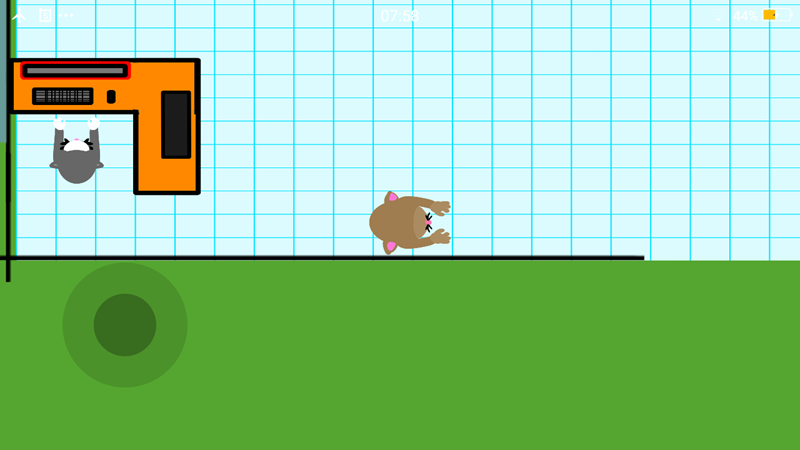
The UI favors clarity. Schematic views and labeled connectors eliminate guesswork. Drag-and-drop assembly, snap-to-slot mechanics, and contextual tooltips speed up routine tasks. Performance meters and log windows update in real time, making cause-and-effect relationships easy to see. The 2D aesthetic reduces visual noise and keeps the focus on systems thinking.
Several modes keep sessions fresh: timed challenges, creative sandbox builds, and a campaign of repair contracts. Timed tasks test route planning and multitasking, while sandbox mode removes restrictions so players can experiment freely. Contract missions add narrative flavor by assigning customer requirements and penalties for missed specs.
Where supported, asynchronous leaderboards and challenge-sharing let players compare builds and solutions. Players can upload custom scenarios for others to tackle, fostering community-driven puzzles. Competitive leaderboards reward efficient designs and fast troubleshooting times rather than purely visual flair.
Customization focuses on functional upgrades rather than cosmetics. Players unlock higher-quality components and advanced diagnostic tools as rewards. Some upgrades unlock new systems like liquid cooling simulation or advanced BIOS tuning panels, introducing deeper technical mechanics for seasoned players.
Start with basic builds and take time to read component compatibility notes. Use the sandbox mode to test unfamiliar parts without penalties. When diagnosing faults, isolate one subsystem at a time: power, memory, then storage. Keep spare parts handy and learn to interpret log outputs — they shorten repair time significantly. Pc simulator 2D rewards patience and methodical troubleshooting.
Because it’s 2D and optimization-conscious, the game runs smoothly across a wide range of devices. Frame rate is stable on mid-range hardware, and battery impact is modest thanks to a restrained graphical profile. Saves and settings sync quickly, and the interface remains responsive even on smaller screens.
Players who enjoy systems and problem solving find the steady, procedural gameplay satisfying. The game avoids overwhelming users with raw realism, instead distilling the essence of PC assembly into teachable interactions. That balance makes it accessible to hobbyists, students, and anyone curious about how desktop systems operate.
Launch a guided tutorial on first run to learn core mechanics. Follow a simple workflow: plan the build, confirm compatibility, assemble, and then run a baseline test. When problems appear, consult logs and swap suspect components methodically. For longer-term progression, aim to complete contract missions to unlock advanced tools and tougher diagnostic scenarios. Pc simulator 2D makes this loop intuitive and rewarding for players who enjoy hands-on learning and efficient problem solving.