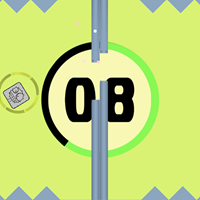

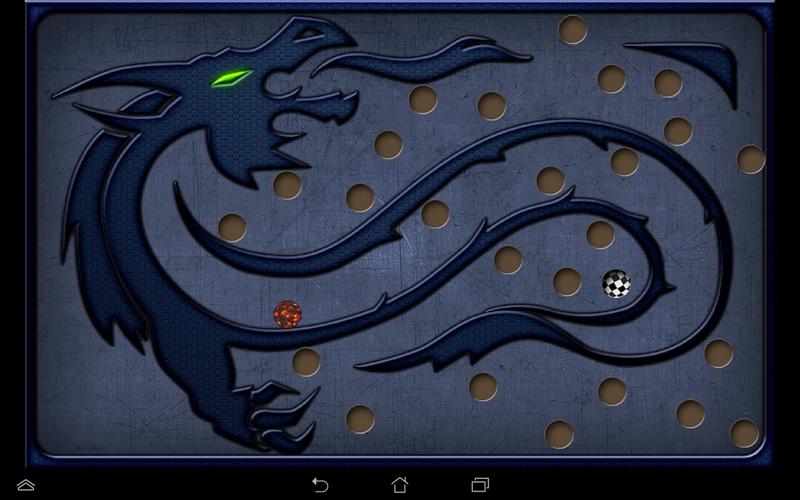
Labirinth is a physics-based maze game that challenges players to guide a rolling ball through intricate levels using precise tilts and timing. Quick reflexes, planning, and clever use of in-game gadgets are essential as you navigate traps, switches, and branching paths to reach the exit in each stage.
The heart of Labirinth is simple: move, avoid, solve. Each level presents a compact arena filled with obstacles, moving platforms, and interactive devices that require observation and experimentation. Progression depends on mastering momentum and reading level layouts to predict where a roll will carry the ball. Puzzles blend reaction-based sections with longer navigation sequences that reward patience and foresight.
Maps are grouped into themed worlds that gradually introduce new elements. Early stages focus on basic movement and tilt sensitivity, while later zones add hazards like spike lines, one-way gates, teleporters, and timed doors. As you advance, the game increases complexity by combining mechanics so players must juggle multiple objectives at once. Checkpoints and a clear level map make it easy to resume after failure without losing hard-earned progress.
Understanding physics is central to success. Controlled momentum lets you clear gaps and trigger pressure plates, while subtle taps allow micro-adjustments when navigating narrow corridors. Strategy comes from learning when to rush and when to wait for moving platforms or enemy patterns. Some puzzles reward creative thinking: using a spring launch to cross several obstacles or diverting an enemy with a timed switch can open hidden routes and bonus areas.
Labirinth offers touch and tilt control options so you can choose the input that feels most natural. Touch controls provide direct, responsive swipes and virtual pads for precision, while device tilt uses the accelerometer for a more immersive experience. Both control schemes are tuned to feel snappy and predictable, with sensitivity settings available to match different playstyles. The game aims to minimize input lag and keep physics consistent across devices.
Visual design emphasizes clarity and readability. Levels use contrasting colors to separate hazards from safe zones, and subtle visual cues highlight interactive objects. Animations are smooth to help players track moving elements, and the UI remains unobtrusive to keep attention on the maze itself. Sound effects provide important feedback for collisions, switches, and checkpoints, while an ambient soundtrack supports concentration without becoming distracting.
Players can customize the appearance of their ball with skins and trails unlocked through achievements or level completion. Time trial modes and optional challenges extend replay value, encouraging players to return and improve completion times or discover secret paths. Leaderboards and daily challenges offer short-term goals that sharpen skills and foster friendly competition.
Labirinth runs smoothly on a wide range of Android devices thanks to optimized physics and scalable graphics settings. The developers provide options to lower visual effects or limit frame rate on older hardware, ensuring consistent gameplay across phones and tablets. Regular updates address device-specific issues and introduce new content to keep the experience fresh.
Begin by playing the tutorial levels to get a feel for movement and camera behavior. Tweak control sensitivity in settings if you notice drift or overshoot. Experiment with both touch and tilt modes to determine which leads to better precision for your playstyle. As you unlock new worlds, review level previews to plan your approach before attempting a full run.
Labirinth balances thoughtful puzzle design with tactile, physics-driven action, making each level a compact test of skill and creativity. With accessible controls, varied environments, and consistent updates, the game provides both quick pick-up sessions and deeper mastery for dedicated players.