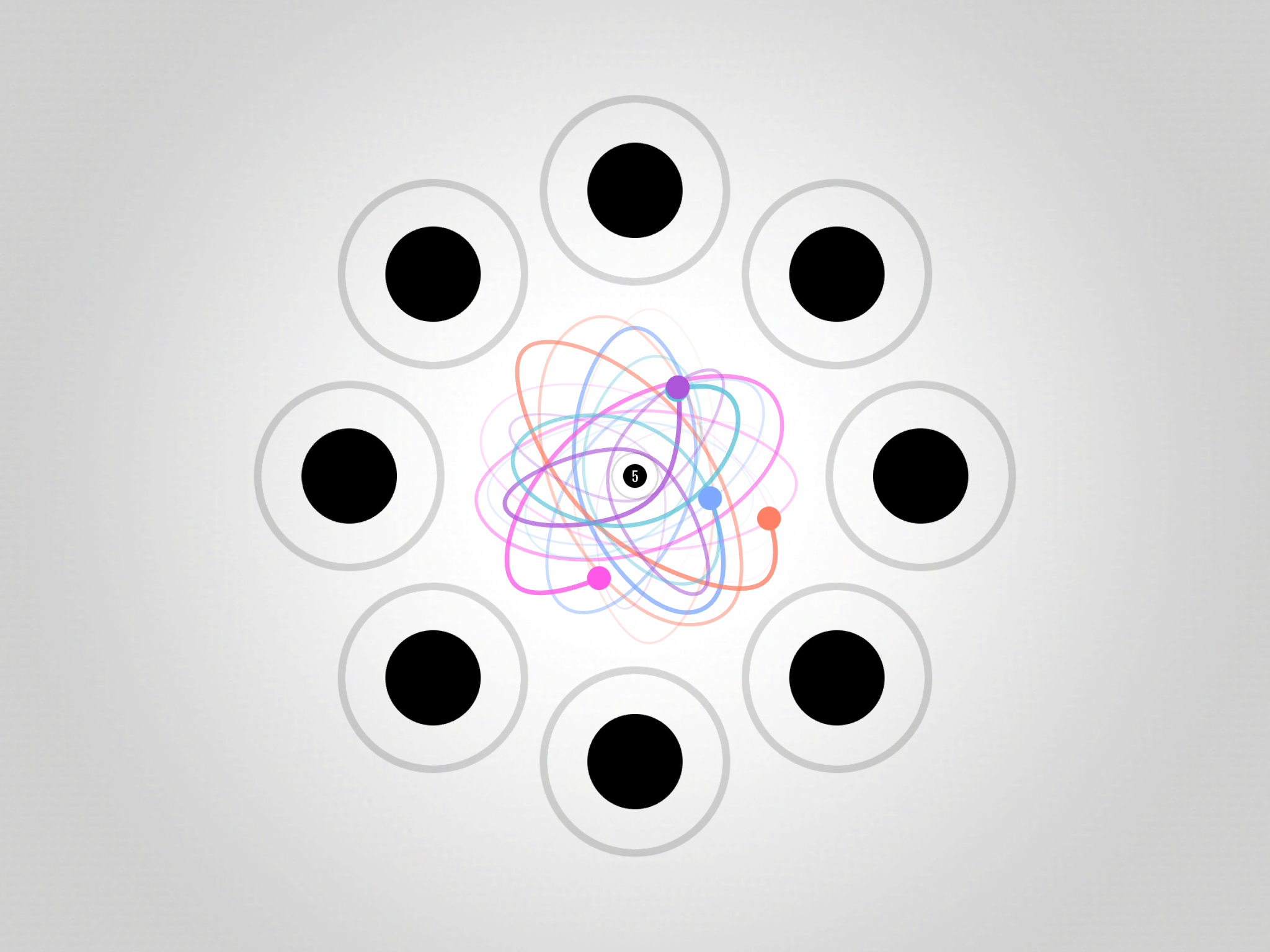
Orbit is a fast-paced mobile game that challenges players to guide a fleet of satellites through dynamic orbital paths while avoiding hazards and collecting energy orbs. Combining precision timing, physics-based movement, and layered objectives, Orbit rewards planning and quick reflexes across compact, visually striking levels.
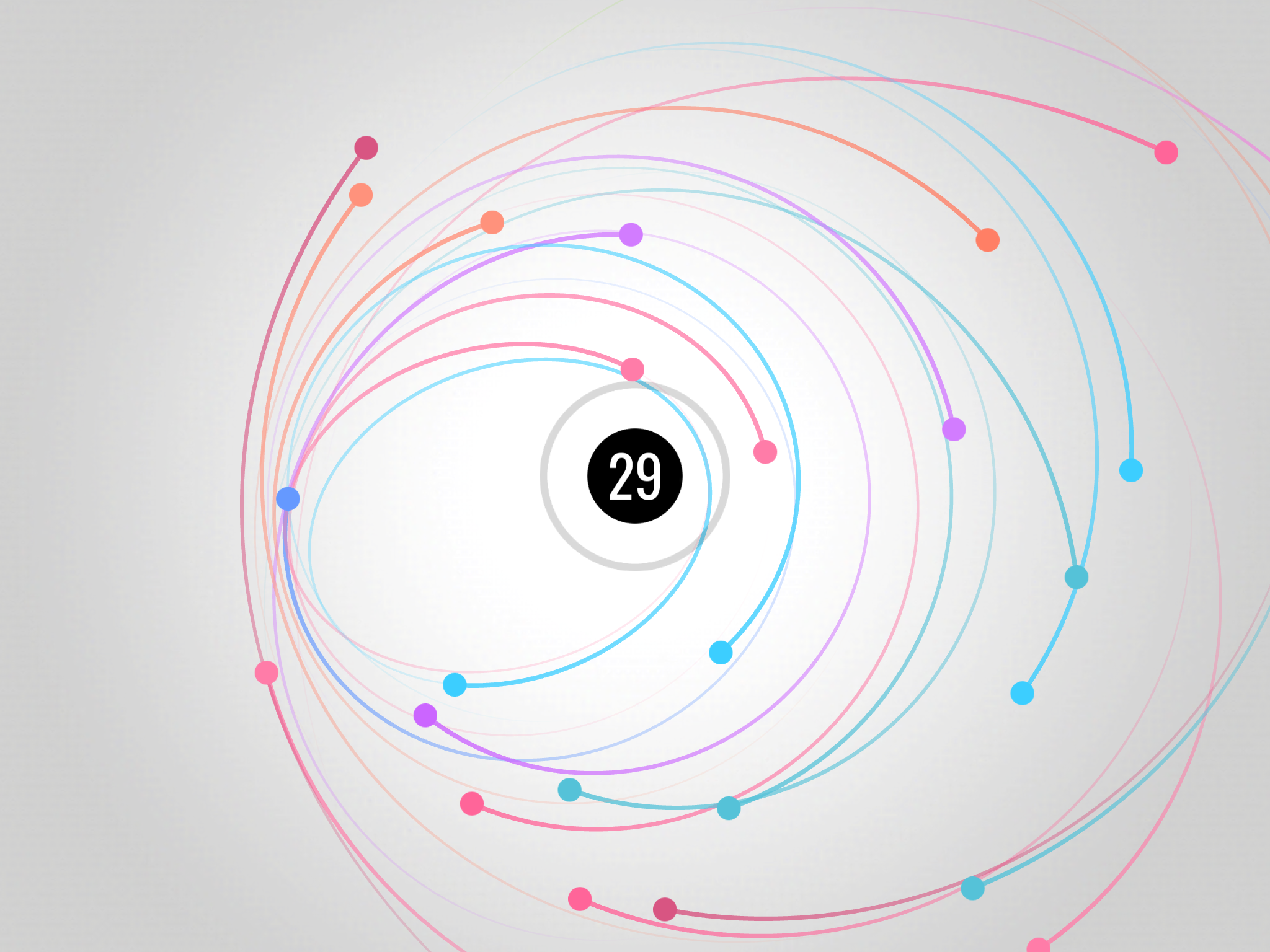
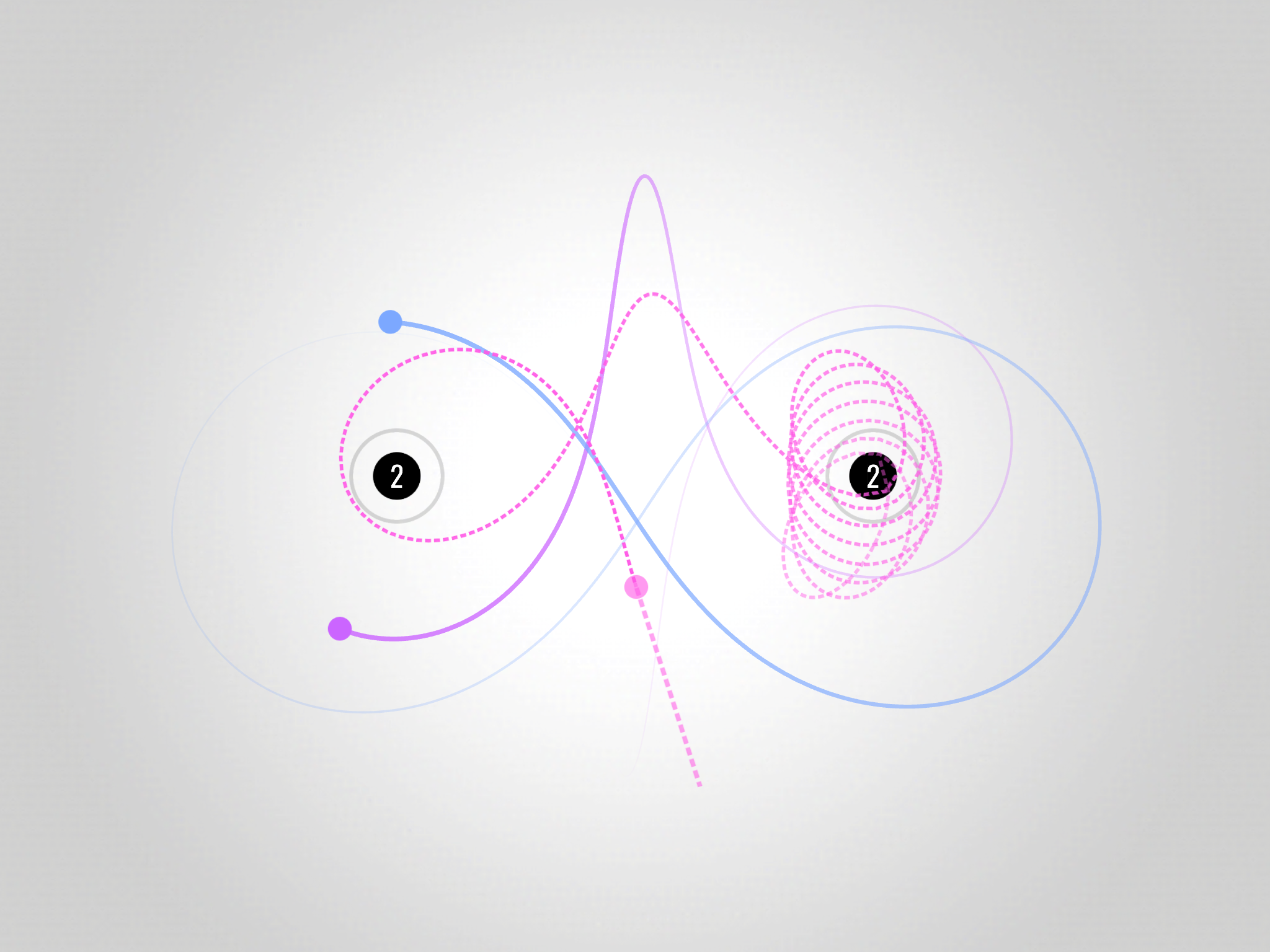
At its heart, Orbit focuses on movement around gravitational centers. You pilot one or more satellites that cling to attractors, launch along tangential trajectories, and latch onto new orbital points. The controls are intuitive: tap to thrust, hold to charge, and swipe to adjust angle. Each maneuver depends on real-time momentum and careful timing to thread through narrow gaps, ricochet off fields, and gather resources.
Levels in Orbit are arranged into tiers that introduce new mechanics gradually. Early stages teach basic orbit transfers and timing windows. Mid-game levels add hazards like decaying fields, moving obstacles, and limited fuel. Later chapters combine multiple objectives—escort missions, timed collection runs, and precision docking challenges—so progression feels varied and rewarding. Completing stages unlocks upgrades and cosmetic options for your satellite fleet.
Maps are compact arenas with distinct visual themes, from neon orbital rings to icy comet belts. Mode selection includes single-run puzzles, score attack leaderboards, and daily challenges with rotating rulesets. Objective types vary between simple pickups, survival waves, and escort tasks where you must shepherd fragile probes to safe zones. Map design emphasizes clear sightlines and predictable physics to encourage skill development rather than luck.
Orbit runs smoothly across a wide range of Android devices. The interface keeps on-screen elements minimal, showing only a thrust meter, remaining fuel, and current objective. Touch responsiveness is prioritized so that short taps and longer presses produce consistent results. Options allow sensitivity adjustments and an alternative tilt control for players who prefer motion input. Performance settings scale graphic effects to maintain frame rates on older hardware.
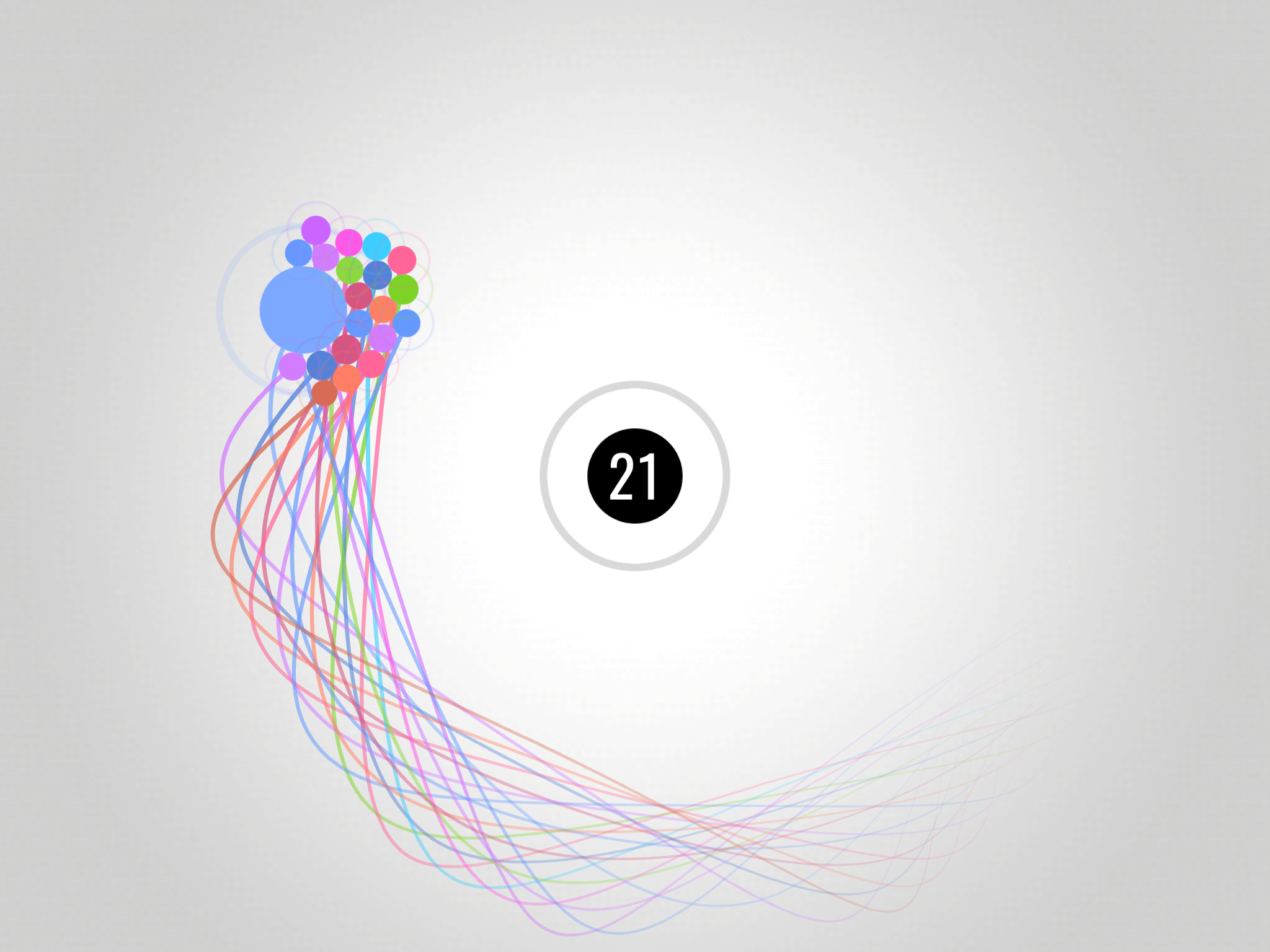
Stylized visuals give each level a distinct identity without overwhelming the gameplay. Particle trails, subtle glow effects, and clean HUD elements make spatial relationships easy to read. Sound design supports the tactile feel of the game: impact cues, orbital hums, and a pulsing ambient soundtrack that builds intensity during critical maneuvers. Together these elements create an immersive atmosphere that keeps attention on the gameplay loop.
Instead of raw power spikes, Orbit uses modular upgrades to refine your playstyle. Improve fuel efficiency, increase thrust control precision, or equip a stabilizer that dampens unwanted spin. Cosmetic skins let you personalize satellites with different trail colors, hull shapes, and emblem decals. Upgrades are earned through play and optional challenge rewards, so progression is tied to skillful completion rather than microtransactions.
Mastering Orbit requires understanding momentum transfer and anticipating attractor behavior. Advanced players learn to perform slingshot maneuvers to traverse large distances with minimal fuel, chain pickups through well-timed releases, and exploit environmental objects for mid-air redirects. Planning multi-stage trajectories before initiating a move increases success rates in complex levels. Timing, spatial prediction, and controlled risk-taking are core to climbing leaderboards.
New players benefit from spending time in the tutorial and early levels to internalize how thrust duration alters trajectory. Try adjusting sensitivity settings if your inputs feel off, and use slower challenge modes to practice docking and escort tasks. Keep an eye on daily challenges for bonus rewards and to test new strategies against different constraints. With steady practice, the satisfaction of executing a perfect orbital chain becomes a reliable motivator.
Orbit includes leaderboards and replay sharing so you can compare runs and study top performers. Challenge modes and randomized level elements extend replayability, while a compact level design philosophy lets sessions stay short but meaningful. Whether pushing for higher scores or experimenting with new upgrade builds, Torque-style orbital puzzles offer repeated rewards for creative problem solving.