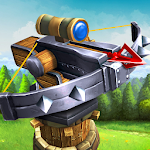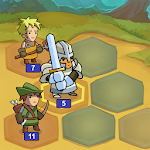
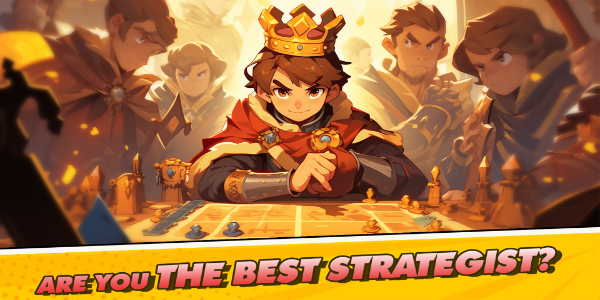

Nightfall places you in the role of Lord James in a medieval fantasy tower defense where daytime planning and nighttime combat are equally important. Nightfall's core loop alternates resource management and base building with tense, real-time waves, so the first minutes of play focus on laying out gold houses, barracks and defensive towers while scouting likely enemy approaches. This introduction aims to give a clear, human overview of what to expect from the game without hype: a strategic offline experience that rewards foresight, unit composition and adaptive tactics when darkness brings the fiercest threats.
By day you expand your frontier settlement, construct income-generating gold houses and place towers to protect narrow choke points. Barracks let you recruit and field soldiers that patrol or contest lanes, while heroes provide unique abilities that turn the tide during high-pressure night waves. The game emphasizes layered defenses: towers handle ranged suppression, barracks units block and delay, and heroes create openings or interrupt elite enemies. Enemy waves vary in composition and behavior, requiring quick adjustments to tower focus, unit placement and hero timing rather than relying on a single static setup.
Controls are designed for touch-friendly interaction: drag to pan the battlefield, pinch to zoom where supported, tap to place structures and hold for upgrade menus. During night encounters you can issue simple commands to heroes and targeted abilities while the main combat runs in real time, allowing for reactive play and precise use of cooldowns. The interface prioritizes clarity so you can make split-second decisions without clutter, and contextual prompts guide new players through common actions during the early levels.
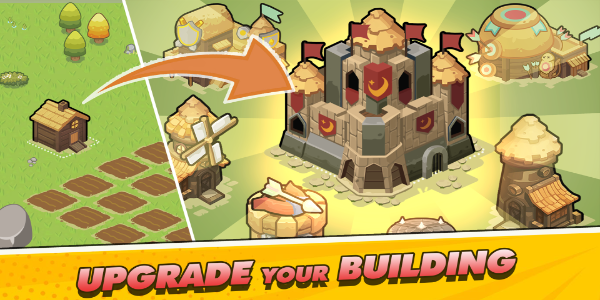
Progression revolves around balancing gold income, upgrades and unit training. Gold houses provide a steady flow of resources but require strategic placement to protect them from raids. Upgrading towers and barracks is a long-term investment: higher-tier upgrades unlock special attack effects or faster troop production, while hero progression adds new skills and passive bonuses. Night cycles influence progression, as some mechanics are time-based and certain abilities or events trigger only after a few in-game days, encouraging players to plan resource expenditure across multiple stages rather than spending everything in a single session.
The aesthetic combines hand-crafted medieval architecture with stylized creature designs that make enemy types easy to read in heat-of-battle moments. Levels are presented as frontier maps with defined lanes, choke points and environmental hazards that reward thoughtful placement. Each map introduces new enemies or terrain features gradually so players learn to adapt their build orders across the campaign. Boss encounters punctuate major milestones and require more than brute force: they often demand specific counters, precise timing and efficient use of hero abilities to overcome unique mechanics.
Tower varieties, barracks unit types and a roster of recruitable heroes allow for many viable defense strategies. Players can experiment with combinations that favor raw damage, crowd control, or synergy between unit types and structures. Because resources are finite and enemy compositions shift between nights, there is a meaningful decision space that supports replayability: revisiting earlier maps with alternative builds, pursuing more efficient income setups, or challenging yourself with self-imposed restrictions creates varied playthroughs. Small random elements in enemy waves and occasional special events further increase the value of replaying stages.
Nightfall is built to be playable without a persistent online connection, so offline progression and local saves let you continue advancement even when you are away from the internet. Difficulty ramps steadily: tutorialized early missions teach core mechanics, while later sections introduce complex synergy requirements and stricter time management. Players new to tower defense may hit a learning curve around resource allocation and pre-boss preparation, but the game provides readable feedback and incremental goals to help mastery. Optional difficulty modifiers and scenario-based challenges offer extra tests for players seeking high-risk, high-reward runs.
The interface aims for clarity, responsive controls and concise in-game information so decisions feel intentional rather than opaque. Small tooltips, a clear upgrade path and progressive disclosure of mechanics reduce confusion for newcomers while leaving depth for experienced players. Regular updates have focused on balance tweaks, improved unit synergies and quality-of-life adjustments to enhance long-term enjoyment. If you prefer strategic base-building combined with tactical, adrenaline-filled night battles, Nightfall offers a measured, offline tower defense experience that rewards planning and thoughtful adaptation.