



Roll to Seduce is an adult-oriented fantasy adventure that combines choice-driven storytelling, role-playing mechanics, and light exploration in a moody, illustrated world. You play an amnesiac hunter rebuilding memories while negotiating alliances, flirting for favors, and sometimes fighting to survive. The game uses dice-based outcomes to influence dialogue, encounters, and rewards, so players who appreciate branching narratives, visual 2D art, and repeatable romantic routes will find a compact, session-friendly experience here. Roll to Seduce places emphasis on narrative choices and tactical resource management rather than complex controls, making it easy to pick up and play in short bursts.
At the heart of the experience are dice-driven checks that determine the success of dialogue options, seduction attempts, and certain combat-like encounters. A d20-based resolution system affects multiple layers of play: it alters the flow of conversations, opens or closes specific story nodes, and modifies the rewards you receive after an encounter. The day counter and inventory are integrated into this loop, creating meaningful tradeoffs between immediate gains and long-term goals. Encounters are resolved through combination of choice, skill investment, and luck; as a result, planning your actions and preparing potions or items can significantly influence outcomes.
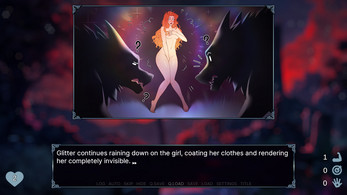
The interface is designed for one-handed operation and simple tap choices, with clear on-screen prompts that guide decisions without overwhelming new players. Dialogue trees expand in response to clues you collect, and the visual layout highlights important options so you can focus on the story instead of micromanagement. Voice lines and animated scenes enhance pacing and make transitions between map exploration and character interactions feel smooth. Accessibility considerations include readable text sizes and straightforward navigation so the core experience remains approachable on smaller screens.
Progression is driven by skill growth, inventory choices, and narrative milestones rather than a single level grind. Seduction and interaction mechanics can be improved through repeated use and investment, enabling more nuanced approaches to companions and rival factions. The inventory and potion systems let you tailor your strategy: decide whether to spend rare items for an immediate advantage or conserve them for harder branching encounters. Equipment and consumables act as small customization knobs that influence how you tackle specific scenes without introducing complex loadouts.
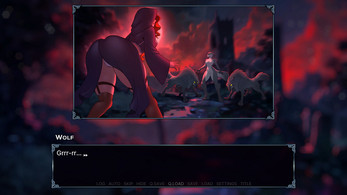
The game features high-quality animated 2D artwork with a moody color palette that supports the fantasy atmosphere. Character designs vary across monster-girl and companion archetypes, and refreshed art assets give scenes more detail and personality. Recent updates introduced fully voiced scenes that lend weight to key moments, and short animations add life to dialogue without disrupting the reading flow. Overall, the presentation balances illustration and motion to support storytelling rather than overshadow it.
Story progress is structured around a map of scenes and events that unlock as you uncover clues and make narrative choices. Branching encounters can diverge dramatically: for example, outcomes vary depending on whether you prevail or are defeated by particular foes, and village-focused quests can shift tone based on your relationships with local characters. Multiple endings and re-playable routes encourage experimentation; because the dice system introduces variability, revisiting scenes with different builds or tactics often produces new results that change both rewards and story threads.
Randomness is a deliberate part of the challenge, intended to create tension and surprise rather than punitive swings. Tactical decisions, resource management, and skill investment are reliable ways to reduce volatility, while the day counter imposes a natural pacing pressure that invites tradeoffs. Difficulty emerges organically from the interplay between luck and preparation, and the game’s balance is actively refined by the development team to reduce frustration without removing unpredictability. Clear feedback on success or failure helps you learn which approaches work best over time.
Core systems are designed to run locally so basic play remains available without a persistent internet connection, which makes the title convenient for travel or intermittent connectivity. The game is in active development and the team continues to add content and polish systems; recent updates added an inventory system, a day counter, new map scenes, and reworked potion mechanics. New items and two branching encounters provide varied rewards depending on how confrontations resolve, and contributions from artists such as BeaverTyan are credited for refreshed, more detailed illustrations.
Roll to Seduce is intended for mature audiences and includes content and themes that may not be suitable for younger players. It favors players who enjoy narrative experiments, chance-driven mechanics, and richly illustrated character interactions. The interface and session length work well on a range of modern Android devices, and the game’s modular design makes it easy to pause and continue without losing context. If you value branching stories, tactical inventory choices, and replayable romantic routes wrapped in illustrated presentation, Roll to Seduce offers a focused, evolving experience.