


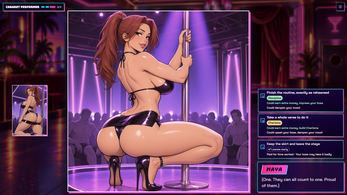
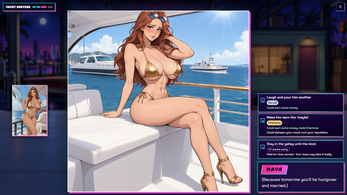
Life, Likes & Bad Decisions drops you into Solara, a neon-lit city where an adult life simulator places you in the shoes of a woman starting over and balancing work, style, relationships and reputation. In tight play sessions or longer stretches you pick job shifts, spend limited energy on activities and make choices that shape your path from a cluttered rented room to something more permanent. The game’s writing and systems emphasize decision-making rather than reflex action, so pacing and planning matter as you navigate the city.
The core loop of Life, Likes & Bad Decisions centers on choosing shifts, managing an energy resource, and allocating earnings toward upgrades. Each shift type has different rewards and time requirements, and completing tasks grants experience toward career moves. Between work you can spend energy on social interactions, hobbies, or apartment improvements; these actions influence reputation meters, unlock opportunities, and open new dialogue branches. Mini-goals and timed events appear regularly to keep progression varied without forcing a single playstyle.
Controls are optimized for touch devices with a clear tap-and-swipe interface for navigating menus, selecting dialogue options, and customizing your character. Action choices use a simple point-and-confirm approach so decisions remain accessible on phones and tablets. The HUD provides immediate feedback on energy, funds and reputation, with contextual tooltips to explain unfamiliar systems. Saves are handled locally so you can pause and return without needing an account, making the experience suitable for commuting or short breaks.
Progression relies on steady effort across three main tracks: career, social, and personal upgrades. Career progression moves you from entry-level jobs to higher-profile gigs that pay more and open exclusive events. Social progression tracks relationships and follower counts as an in-game metric that influences who invites you to certain scenes. Challenges come from limited energy, competing opportunities, and branching consequences: choosing one path can temporarily close others, so decisions have tangible trade-offs that reward replay and thoughtful planning.
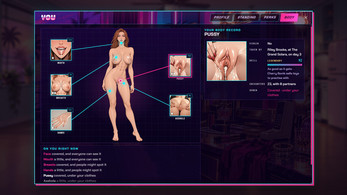
Customization in Life, Likes & Bad Decisions covers appearance, wardrobe and apartment choices that change NPC reactions and sometimes unlock special dialogue options. The visual style is a stylized neon palette with varied neighborhoods—market districts, neon nightlife, residential blocks and small venues—that give each location its own atmosphere. Character art and background detail emphasize mood and personality more than photorealism, supporting a narrative-first approach to presentation.
The city is presented as a series of neighborhoods and event locations rather than rigid levels; progression unlocks new scenes and invites that expand where you can go and who you can meet. Branching encounters and multiple outcomes create natural replay value: replaying key decisions with different strategies reveals alternate story beats, different rewards and new character interactions. Optional mini-goals and collectibles further encourage revisiting Solara with fresh objectives.
The game includes options to adjust text size, toggle subtitles for dialogue, and simplify certain UI elements to improve readability. Color-contrast considerations and clear iconography aim to help players who need accessibility accommodations. Because saves and progression are stored locally, Life, Likes & Bad Decisions can be enjoyed offline without requiring persistent network access, which helps when you want uninterrupted play away from a connection.
Social systems balance close relationships with a separate in-game follower metric that represents online visibility inside the world rather than a real-world social network. Followers unlock invitations and visibility in certain scenes while personal relationships unlock deeper storylines. The in-game economy is straightforward: complete shifts and activities to earn currency, then decide whether to invest in wardrobe pieces, skill upgrades or apartment improvements that provide long-term benefits.
Manage energy by planning shifts around key events and prioritizing tasks that unlock new venues. Invest early in a couple of signature wardrobe items that open higher-paid opportunities. Experiment with different conversational approaches to see which choices lead to new scenes, and revisit decisions to explore alternate outcomes. The deliberate pace rewards strategy and curiosity rather than quick grinding.
Life, Likes & Bad Decisions will appeal to players who enjoy narrative-driven life simulations, character customization and choice-and-consequence storytelling. Its focus on atmosphere, steady progression and replayable branches suits those who prefer thoughtful management and social strategy over twitch-based action. With accessible controls, local saves and language options, it welcomes a broad audience looking for a mature, story-focused urban sim experience.