



Super Hoki is a fast-paced arcade game that blends casual mechanics with competitive elements across short matches and evolving challenges. Players collect power-ups, master timing-based moves, and climb seasonal leaderboards while customizing characters. Intuitive controls and colorful stages make Super Hoki approachable for newcomers and rewarding for veterans.
At its core, Super Hoki focuses on quick rounds and high-score play. Each session typically lasts a few minutes, inviting repeat attempts to improve timing and efficiency. The game mixes reaction tests with situational decisions: when to attack, defend, or pick up bonuses that temporarily shift momentum. Matches take place across varied stages that introduce environmental hazards and layout changes, keeping every run fresh.
Gameplay in Super Hoki is built around a handful of simple systems that combine into deep strategies. Movement is fluid and responsive, letting players dodge incoming threats and chain maneuvers. Power-ups spawn at predictable intervals, which rewards map awareness and planning. Combos and streaks multiply scoring, encouraging precise execution over brute force.
The roster in Super Hoki includes characters with distinct movement profiles and special abilities. New players start with a balanced avatar while more specialized options unlock through play. Progression feels meaningful: leveling a character unlocks passive boosts and cosmetic items that distinguish a player on the field. There are no paywalls that block core progression, and seasonal events present limited-time rewards that refresh goals.
Customization stretches beyond looks. Players can tailor loadouts by choosing which passive perks and active items to carry into a match. This system lets you adopt aggressive or defensive playstyles and swap strategies between stages. Cosmetic options are plentiful, from skins to emotes, giving a social layer to competitive play.
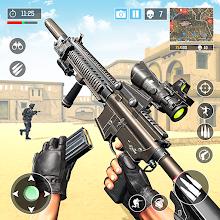
Super Hoki’s interface favors clarity. Menus are concise and the HUD keeps crucial information—health, active power-ups, and combo meters—within quick view. On modern devices the game runs smoothly with stable frame rates and short load times. Controls are designed for touch: tap and swipe inputs map to movement and abilities, while a simple button layout prevents accidental actions during intense moments.
Despite its arcade feel, strategy matters. Map control, timing for power-up grabs, and reading opponent behavior separate casual players from top scorers. Multiplayer modes add tactical layers: team matches require coordination, while free-for-all rounds reward opportunistic play. The matchmaking system aims to pair similarly skilled players, offering a steady climb rather than abrupt difficulty spikes.
Super Hoki succeeds by balancing immediate gratification with long-term goals. Quick matches make it easy to play between tasks, while progression systems and leaderboards provide reasons to return. Daily challenges and rotating events create varied objectives so routines don’t stagnate. The social features—friends lists, shared leaderboards, and emotes—add a layer of friendly competition that keeps communities active.
Installation is straightforward and the onboarding tutorial introduces basic controls and objectives within the first match. New users should complete beginner missions to unlock initial perks and a few cosmetic rewards. Once comfortable with the basics, try a ranked or event match to test your skills under pressure. With consistent practice, Super Hoki becomes a satisfying mix of reflex-driven gameplay and strategic depth.