





Strangers: After Hours is a narrative-driven multiplayer mystery that blends social deduction with tense, asynchronous encounters. Players take on shifting roles each round, uncovering clues, forging alliances, and outmaneuvering rivals in a night-time cityscape where timing, observation, and choice determine who survives the after hours.
Strangers: After Hours invites both casual and competitive players into short-session matches where evolving objectives change what victory looks like. Each match emphasizes deduction, bluffing, and subtle collaboration. The game balances quick rounds with deeper strategy, making it suitable for commuters, evening sessions, or longer strategic runs with friends.
Rounds in Strangers: After Hours are structured around limited information and timed interactions. Players receive private roles and partial objectives; as the match progresses they discover new clues and can use a variety of in-game tools to influence outcomes. The pacing encourages perpetual tension without overstaying a single match's entertainment value.
At its heart, Strangers: After Hours relies on layered mechanics that reward both observation and deception. Movement and interaction are simple, but the consequence of each decision can cascade across a round. Inventory limits and cooldowns prevent dominant strategies, forcing adaptive play. Social cues and timing become as valuable as raw information.
Characters in Strangers: After Hours are more than skins; each comes with passive abilities and unique modifiers that influence how their role performs. Progression unlocks cosmetic choices, role variants, and quality-of-life upgrades. Customization is primarily cosmetic to maintain competitive balance, but incremental perks and alternate ability trees provide meaningful variety for long-term players.
The game features a compact set of urban locations designed for tense encounters: dim alleys, busy bars, and cramped apartments. Each map contains interactable elements that can reveal clues, create distractions, or alter player movement. Map knowledge becomes a strategic asset as players learn common sightlines and choke points.
Beginners in Strangers: After Hours should focus on situational awareness and restraint. Avoid revealing too much information early; observe how others behave and respond to small tests. Learn a handful of reliable escape routes on each map, and prioritize clue-gathering over confrontations until you understand common role incentives. Communication is limited—use it sparingly and purposefully.
Experienced players exploit timing, subtle feints, and forced choices to manipulate opponents. Bluffing about information you don’t possess can create openings, while preserving options late in a match can turn a likely loss into a dramatic reversal. Teaming temporarily with rivals can be effective, but expect betrayal once objectives shift.
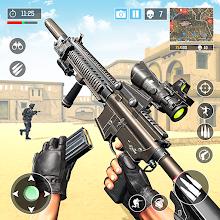
The user interface focuses on readability and quick access to role details and clue logs. Controls remain intuitive on touchscreens, with clear iconography for actions and cooldowns. Performance is optimized for mid-range devices, with scalable graphics settings to maintain smooth frame rates. Crossplay and asynchronous matchmaking reduce wait times and broaden the competitive pool.
Installing Strangers: After Hours is straightforward. The game supports a single download with optional resource packs for higher-resolution assets. Tutorials and practice matches are available immediately, letting new players learn mechanics in low-pressure environments before jumping into ranked play.
Strangers: After Hours keeps sessions fresh with role variability, evolving seasons, and community-driven strategies. The mix of short-round accessibility and deep social mechanics encourages repeated play, while a clear progression path rewards investment without becoming pay-to-win. For fans of deduction and tension, it offers a consistently engaging late-night experience.