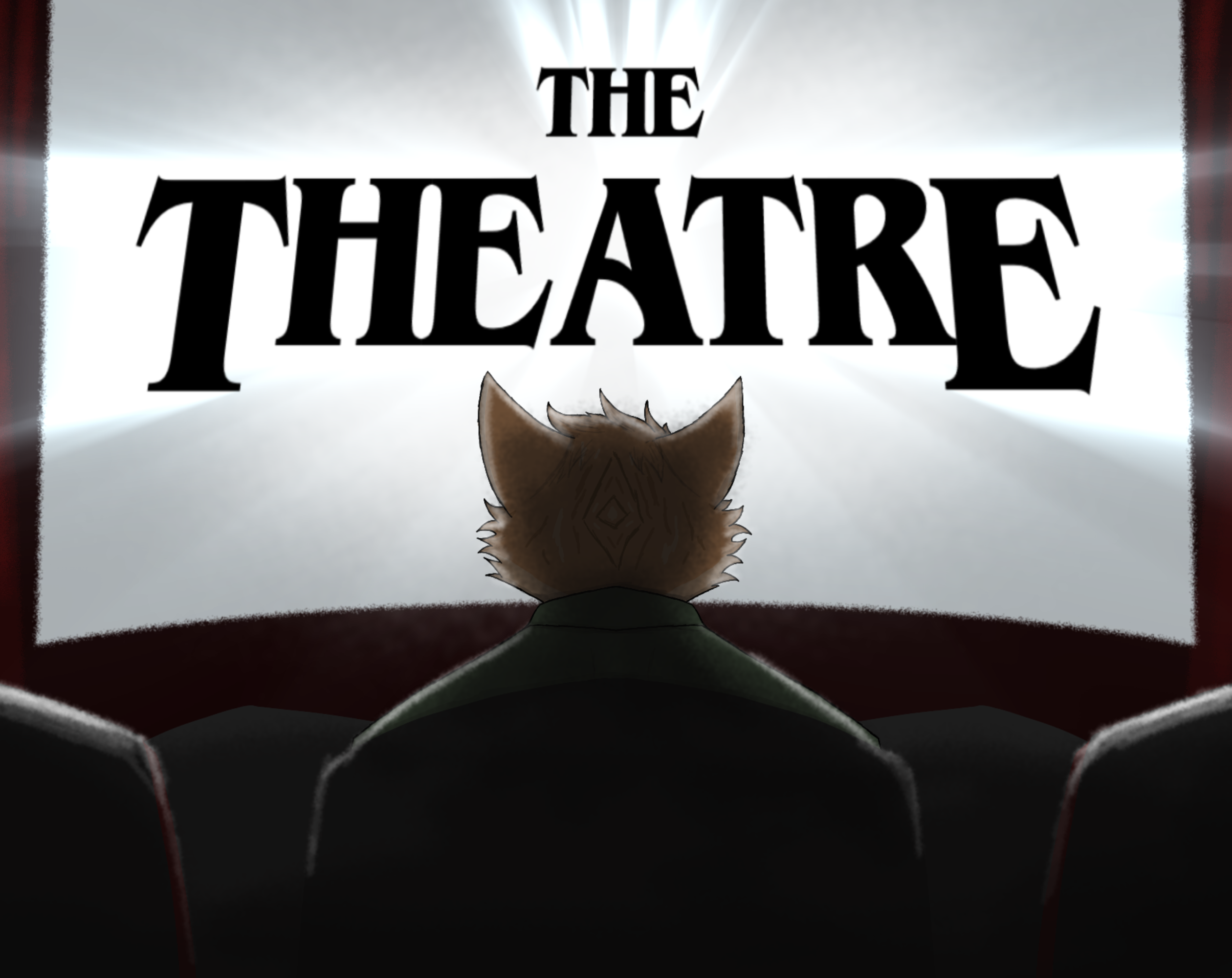
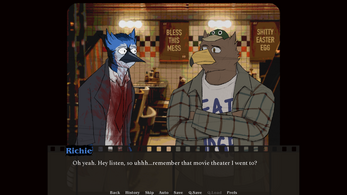
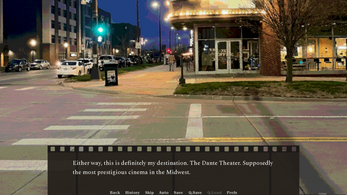
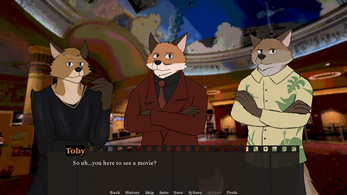
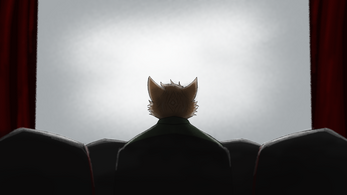
The Theatre blends atmospheric storytelling with tactical puzzle gameplay set on a dimly lit stage. Players take on the role of a director navigating shifting scenes, solving environmental challenges, and guiding characters through suspenseful acts. This cinematic puzzle-adventure challenges observation, timing, and strategic use of limited resources.
The Theatre positions itself between narrative exploration and carefully tuned puzzle design. Each level reads like a short play: lighting, props, and character positioning matter. The game emphasizes mood and pace rather than fast reflexes, inviting players to study each scene and plan deliberate moves to advance. It’s an experience for players who enjoy layered storytelling wrapped in tactile problem solving.
Gameplay in The Theatre revolves around scene management and actor coordination. You’ll manipulate set pieces, trigger cues, and anticipate non-player character behavior to reach a resolution. Levels introduce new mechanics gradually, so early acts serve as tutorials while later stages combine several systems. The challenge comes from juggling timing windows and limited actions, rewarding foresight and experimentation.
The Theatre uses a few core systems to shape every encounter. Lighting affects visibility and NPC patterns, props can be combined or repositioned, and scripted events can be interrupted or redirected. A resource meter limits special moves, creating tension when multiple solutions seem possible. These systems interlock to create puzzles that can be solved in multiple ways, encouraging replay to discover cleaner or more creative outcomes.
Characters in The Theatre have distinct behaviors—some follow strict routes, others react to stimuli like sound or light. Stages vary from intimate black-box sets to elaborate prosceniums, each introducing a new twist on movement and interaction. Maps are compact but cleverly layered; learning stage geometry becomes part of your strategy as you refine routes and timing to achieve objectives.
The in-game toolkit is intentionally sparse but powerful. You start with basic controls for moving props and issuing simple cues. New tools are earned as you progress: audience influence mechanics, automated stage rigs, and limited-use distractions expand your tactical options. The UI keeps tool access straightforward, letting you focus on planning rather than micromanagement.
Customization in The Theatre is subtle and meaningful. You can prioritize character upgrades that alter behavior, unlock alternate costumes that change NPC reactions, or invest in stage upgrades that offer persistent benefits. These choices let players tailor their approach—favoring stealthy manipulations, theatrical spectacle, or precision timing depending on playstyle.
Graphically, The Theatre favors stylized environments and strong lighting contrasts to support its mood. The interface is minimal, with contextual prompts and a clear action wheel that avoids clutter. Performance is optimized for smooth animations and predictable physics—important when timing a cue down to a fraction of a second. Audio design complements visuals with ambient crowd murmurs and percussive cues that help with timing.
Beginners benefit from patience; puzzles are meant to be unpacked rather than rushed. As you grow familiar with stage rhythms, your solutions will become more efficient and inventive.
Getting into The Theatre is straightforward. After a short tutorial, you’ll be dropped into the first act with clear objectives and a gentle learning curve. The save system encourages experimentation with minimal penalty, so try risky approaches to learn stage reactions. Regular updates introduce new acts and systems, keeping the experience fresh.
Whether you enjoy methodical puzzle design or atmospheric storytelling, The Theatre delivers a distinct blend of both. It rewards players who think like directors—observing, planning, and executing each scene with careful intent. Expect a steady escalation of complexity that supports creative problem solving across a memorable series of stages.