



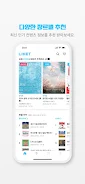

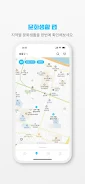
라이켓 is a cultural discovery app designed to help users find pop-up stores, exhibitions, plays, musicals, concerts and festivals more easily and plan outings with less effort. 라이켓 gathers curated recommendations and presents them through an interface that balances list views with a regional map, so you can quickly see what’s happening nearby and decide how to spend your free time. The app is focused on making discovery straightforward: search, filter, save, and record your visits in one place.
The core of 라이켓 is its curated recommendation feed that spans multiple genres of cultural content. Instead of a raw event dump, listings are selected and grouped by relevance, date and popularity to reduce noise while still exposing niche activities. Filtering controls let you narrow results by region, age suitability and style; filters are applied with simple toggles and dropdowns so you can refine results in a few taps. A map-based view visualizes locations so you can plan routes and time your visits, and each event page combines essential details — date, time, location, brief description and any organizer notes — so you don’t have to switch apps to assemble an outing.
Interaction in 라이켓 emphasizes direct manipulation and quick discovery. Use the search bar to type keywords, then refine with region and style filters. Map pins respond to taps and provide a compact event summary; tapping a summary expands the full event page. List views support sorting by date or distance, and saved itineraries can be edited through drag-and-drop gestures to change visit order. The app’s controls are designed for one-handed use on phones: large touch targets, clear labels and contextual back-navigation that helps you explore without losing your place.
라이켓 adapts to your activity over time by using your personal cultural record to improve future suggestions. Each visit you log and each review you leave contributes to a private history that the recommendation engine uses to surface similar events. This progression is not a game level but a personalized timeline: as you attend events and save itineraries, 라이켓 learns your preferences and proposes content that better matches your tastes. Personal records include dates, photos you choose to attach, brief notes and optional ratings, which together create a searchable archive of your cultural life.
Customizing your output is a practical part of 라이켓. You can create and edit tickets or itineraries for planned outings, adding multiple stops and specifying times for each. These saved plans can be revisited and reused for recurring trips or adapted into new itineraries, which enhances replay value because your saved templates simplify planning similar outings in the future. Simple export options allow you to copy key details for personal calendars, and local storage of your saved plans ensures they remain available even if you switch network contexts.
The visual approach in 라이켓 blends a clean list aesthetic with a map-first option so content is easy to scan and compare. Event cards use readable typography, moderate contrast and consistent spacing to reduce visual clutter. Accessibility considerations include adjustable text sizes, high-contrast mode for readability and semantic UI elements that support screen readers. These design choices make browsing and planning accessible to a broad range of users.
Routine use of 라이켓 becomes part of how you plan cultural outings: weekly discovery sessions, saved weekend itineraries and a growing personal archive encourage repeat engagement without forcing gamification. Basic caching of your saved events and itineraries means you can review your plans when you have limited connectivity, and the compact event summaries are optimized for quick decisions. The app rewards exploration by exposing nearby hidden gems alongside well-known events, which keeps returning to the app useful over time.
라이켓 relies on local submissions and available listings, so coverage varies by region; some niche venues or very small events may not appear. Writing reviews and saving detailed personal records require creating an account, which some users may find inconvenient but is necessary to maintain a private history and personalized suggestions. Customizing tickets and multi-stop itineraries requires some manual setup the first time, but subsequent reuse is straightforward. These trade-offs reflect the app’s emphasis on curated, user-driven discovery rather than a fully automated event marketplace.