

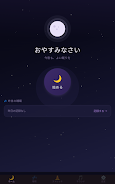



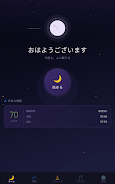

SleepMind AI is a smart sleep companion that helps you understand nights of rest, guiding gradual improvements with sensor-based tracking and AI-derived coaching. From the first setup the app offers a clear sleep score, recommended habits, and simple tools you can use every night; SleepMind AI focuses on practical changes rather than quick fixes, so users can build better routines over weeks instead of hours.
The app blends continuous sleep tracking, an adaptive smart alarm, a customizable sound mixer, and guided stretches into a single experience. Sleep tracking uses your phone's motion and ambient sensors to estimate sleep phases and interruptions, then summarizes the result with a nightly score and trend graphs. The smart alarm watches for light-sleep windows within your chosen wake-up range to reduce grogginess, while the sound mixer lets you layer rain, waves, white noise and ambient tones to create a personalized sleep atmosphere. Short guided stretch sequences are timed for pre-sleep relaxation and gentle morning mobility, helping to prepare your body for rest and recovery.
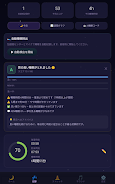
The core workflow is straightforward: enable tracking before bed, allow the app to monitor quietly on your device, and check the morning report for a sleep quality score and specific improvement points. AI routines analyze patterns across nights to identify consistent issues—late awakenings, short deep-sleep periods, or irregular schedules—and then translate those patterns into actionable tips. The analysis is presented in plain language with examples you can try, such as adjusting bedtime by 15 minutes or changing sound combinations. The smart alarm integrates these insights to pick an optimal wake moment within your configured window, increasing the chance of waking during lighter sleep stages.
SleepMind AI supports progressive improvement rather than one-time recommendations: weekly trend charts, personalized coaching messages, and optional goals let you track progress over time. You can set targets for total sleep time or consistency and follow suggested micro-habits that adapt as your data changes. The app highlights small, achievable steps and records streaks and milestones so you can see how incremental adjustments influence your score and daytime feeling. Coaching is framed as guidance rather than prescriptions, so suggestions evolve as you log more nights.
Controls are designed to be simple and flexible: choose a default alarm window, adjust sensitivity for motion tracking, and mix sounds with intuitive sliders to balance volume and fade times. You can create and save multiple sound presets, enable a do-not-disturb schedule that syncs to your bedtime, and select which metrics appear in the morning summary. The guided stretches include clear on-screen instructions and timing controls so you can skip or repeat poses, and haptic or gentle fade alerts are available to keep interruptions minimal.
The interface favors calm, low-contrast visuals with clear timelines that make nightly data easy to scan at a glance. Sleep timelines show awake and sleep blocks, plus annotations for unusual events such as long wakes or restless periods. Trend pages visualize weekly and monthly averages, and each suggestion includes an explanation of why it may help. Onboarding includes a brief tutorial that demonstrates setting the alarm, starting a tracking session, and customizing a sound mix so new users can begin without frustration.
Accessibility features include adjustable text sizes, color-friendly contrast modes, and simplified views for quick morning checks. Core functions—sleep tracking, sound playback, and stretch guides—work without a constant internet connection; however, some advanced coaching insights or model updates may request occasional connectivity to improve recommendations. Data is stored locally with optional export choices so you can keep records on your device or back them up manually.
Nightly tracking and evolving recommendations give the app natural replay value: each night produces new data and sometimes a different coaching focus, which encourages consistent use. Gentle challenge systems such as consistency streaks and small-weekly goals promote habit formation without pressure, and saved sound presets and routine combinations invite experimentation to find what works best for personal sleep preferences.
Accuracy depends on device sensors and phone placement, so results can vary across models and sleeping setups. The AI coach is most effective when you use the app consistently and provide several nights of data, and some suggestions may not suit specific medical conditions. SleepMind AI is intended as a personal wellness tool; it does not replace professional medical advice for diagnosed sleep disorders. Check device compatibility before relying on advanced tracking features.