

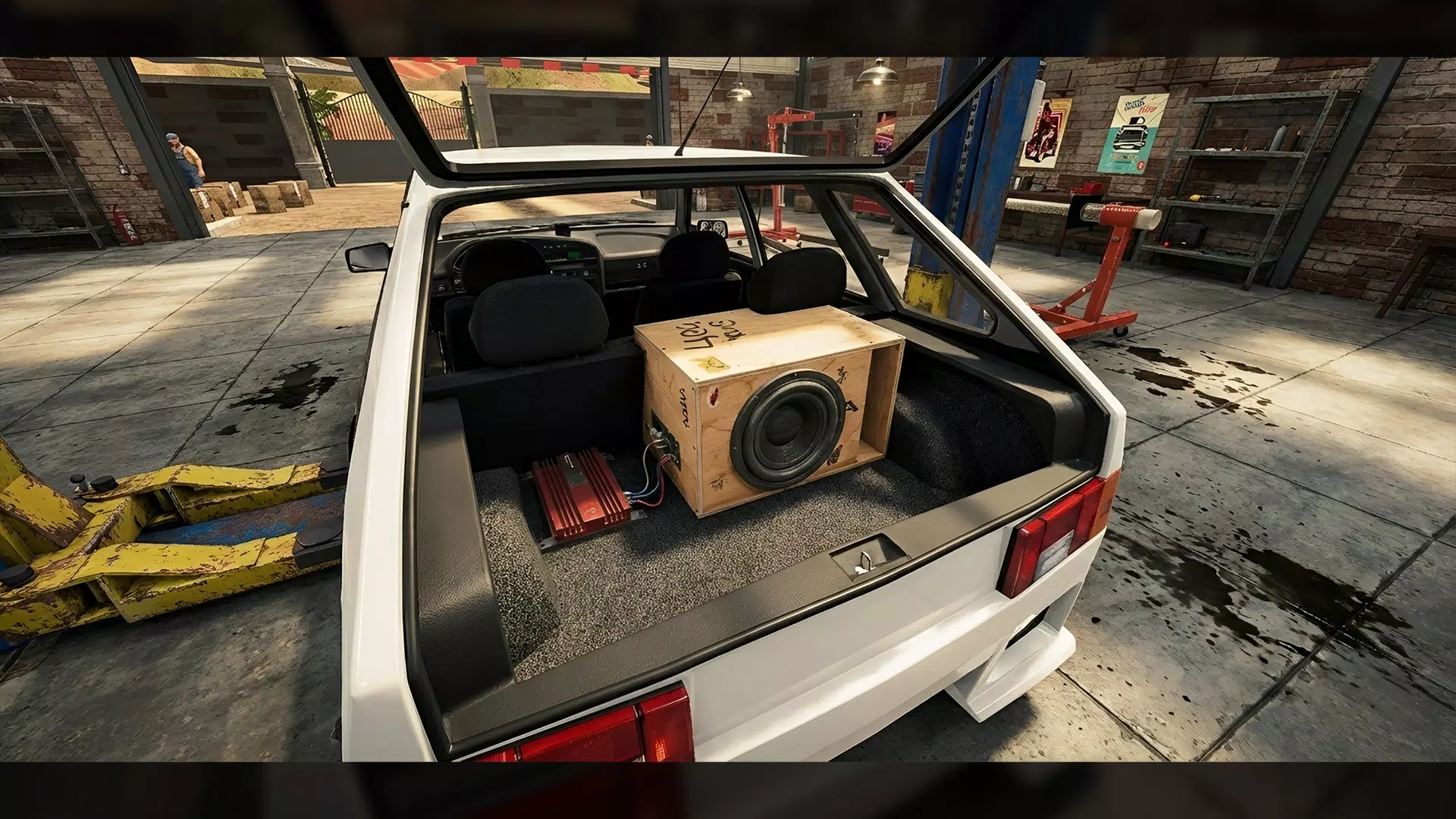
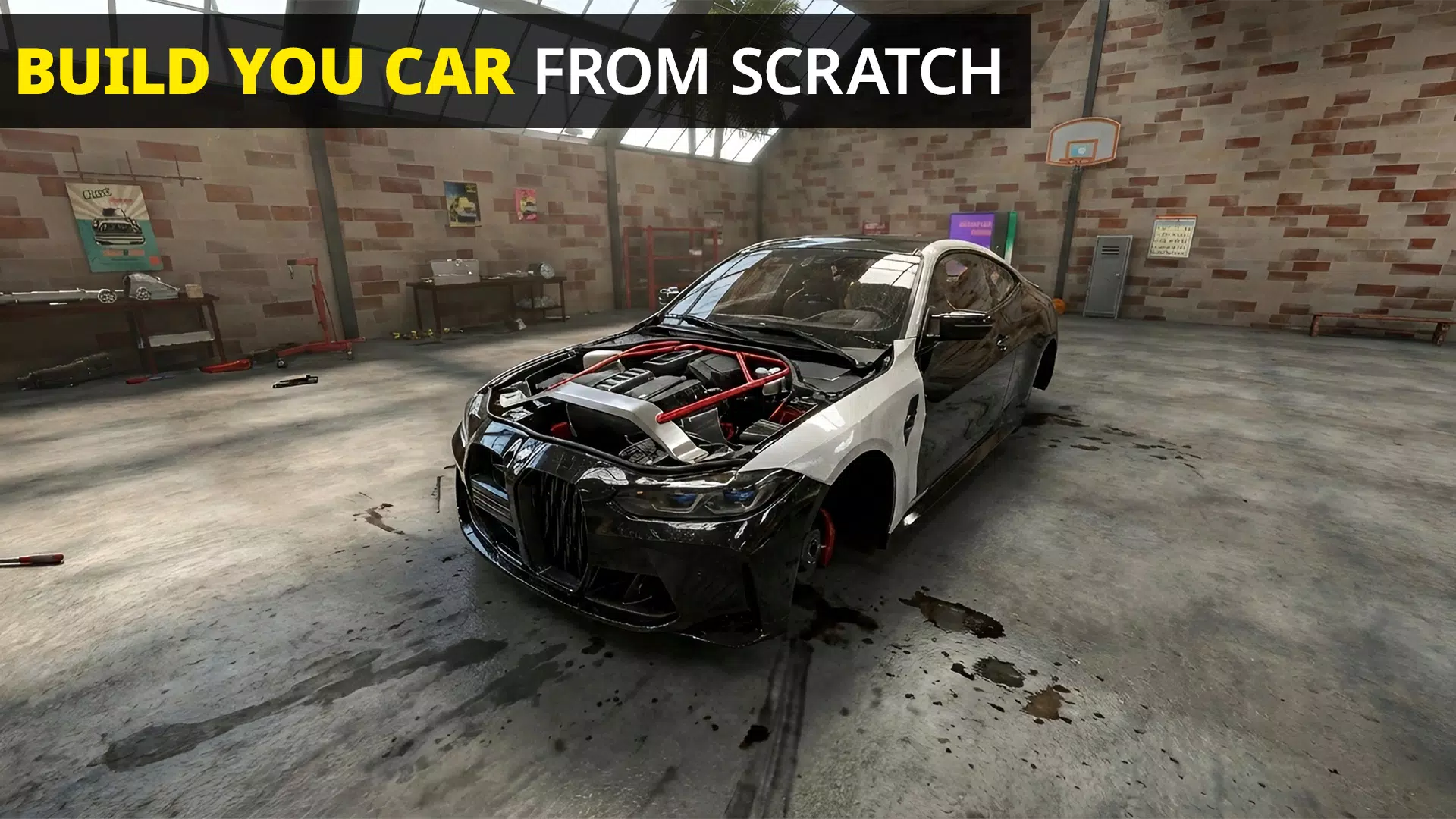
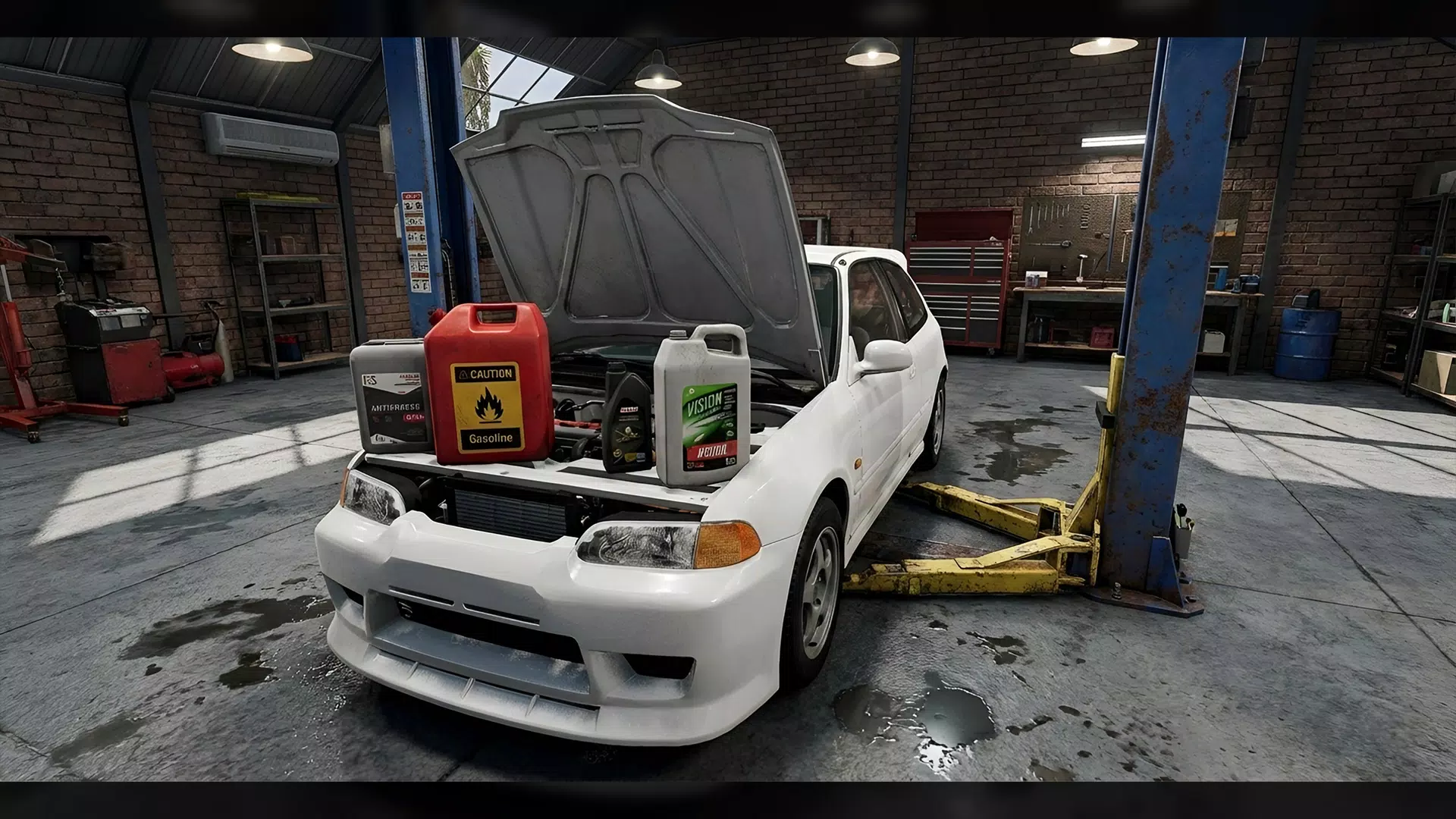
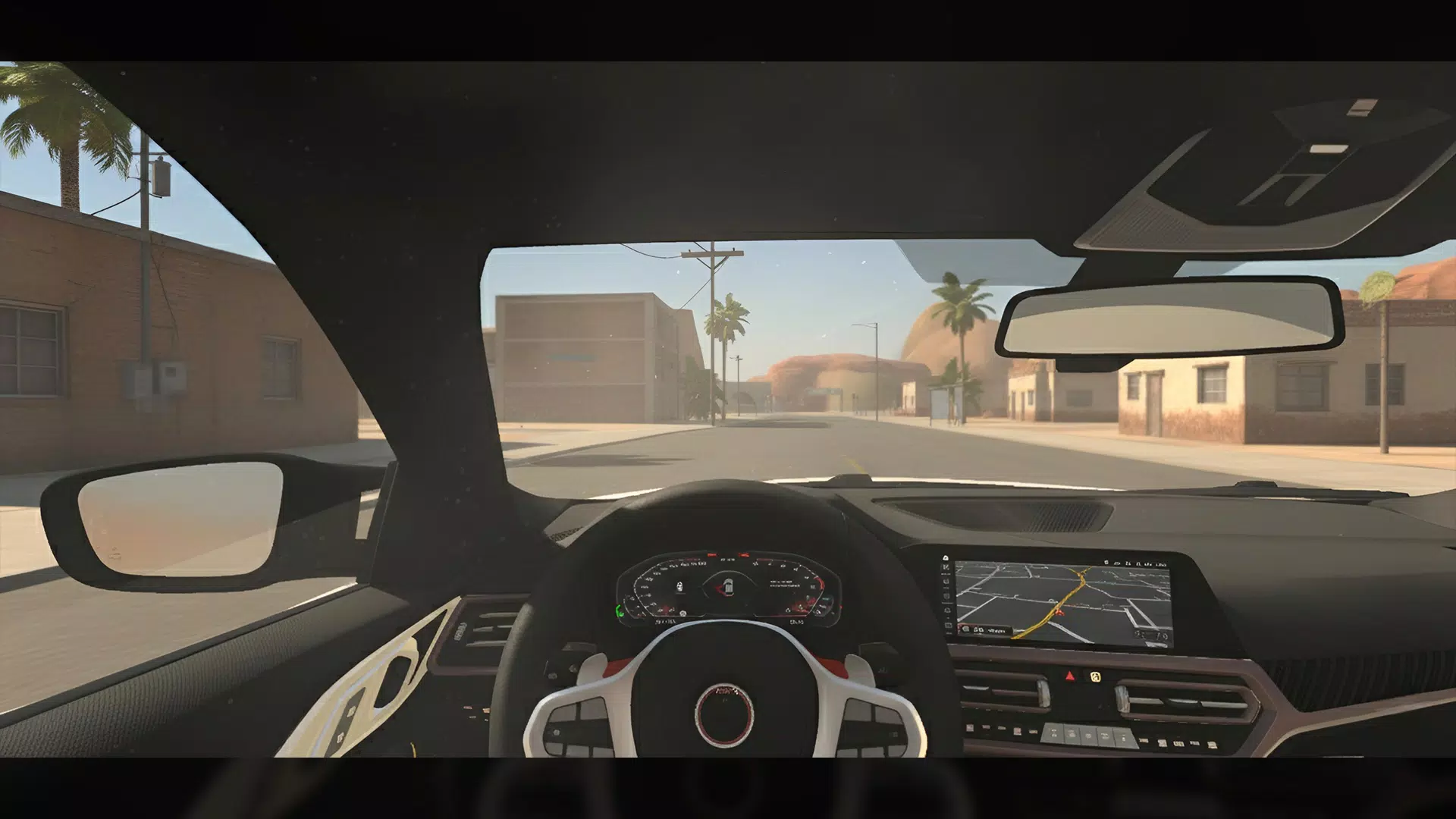
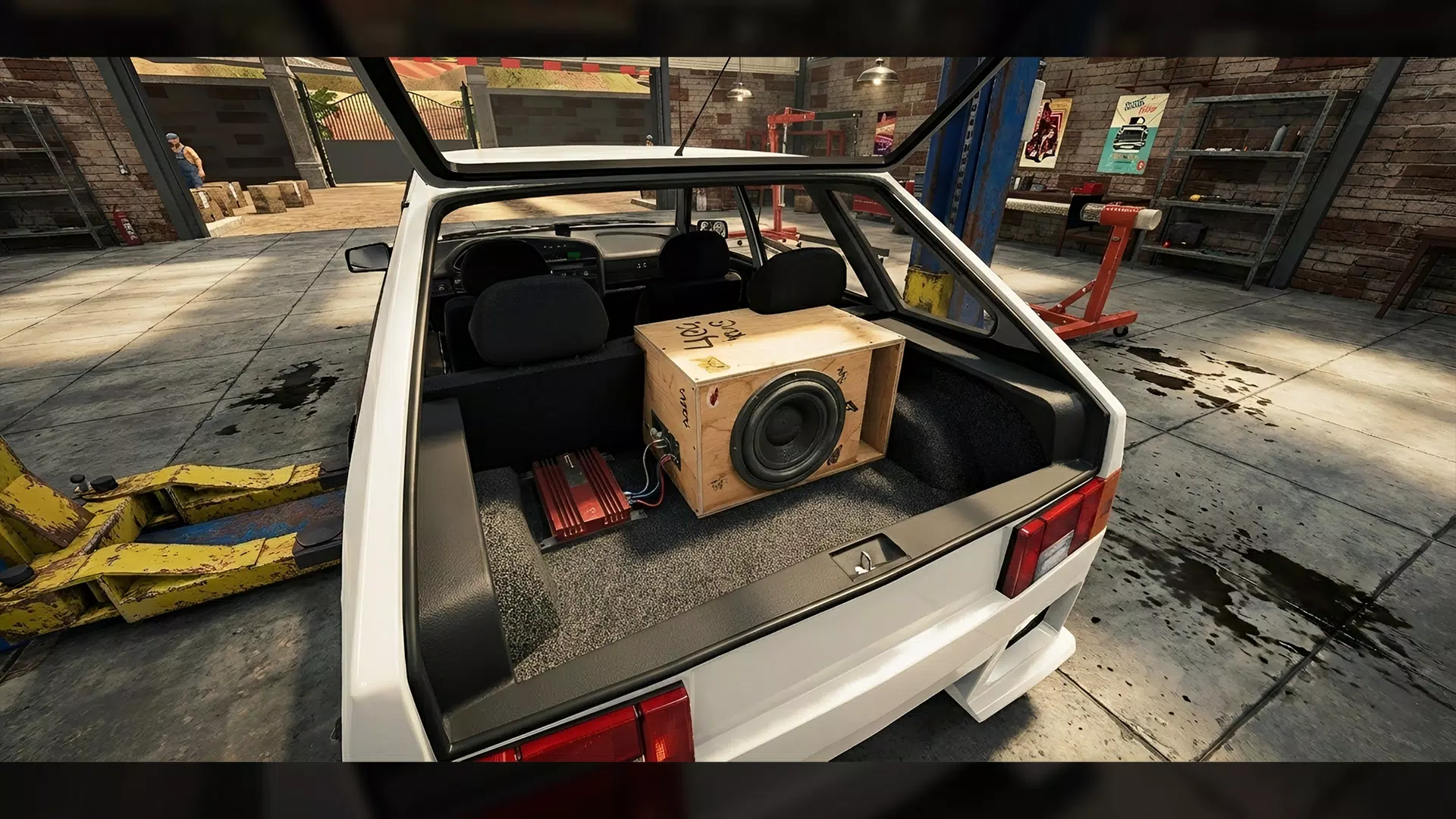
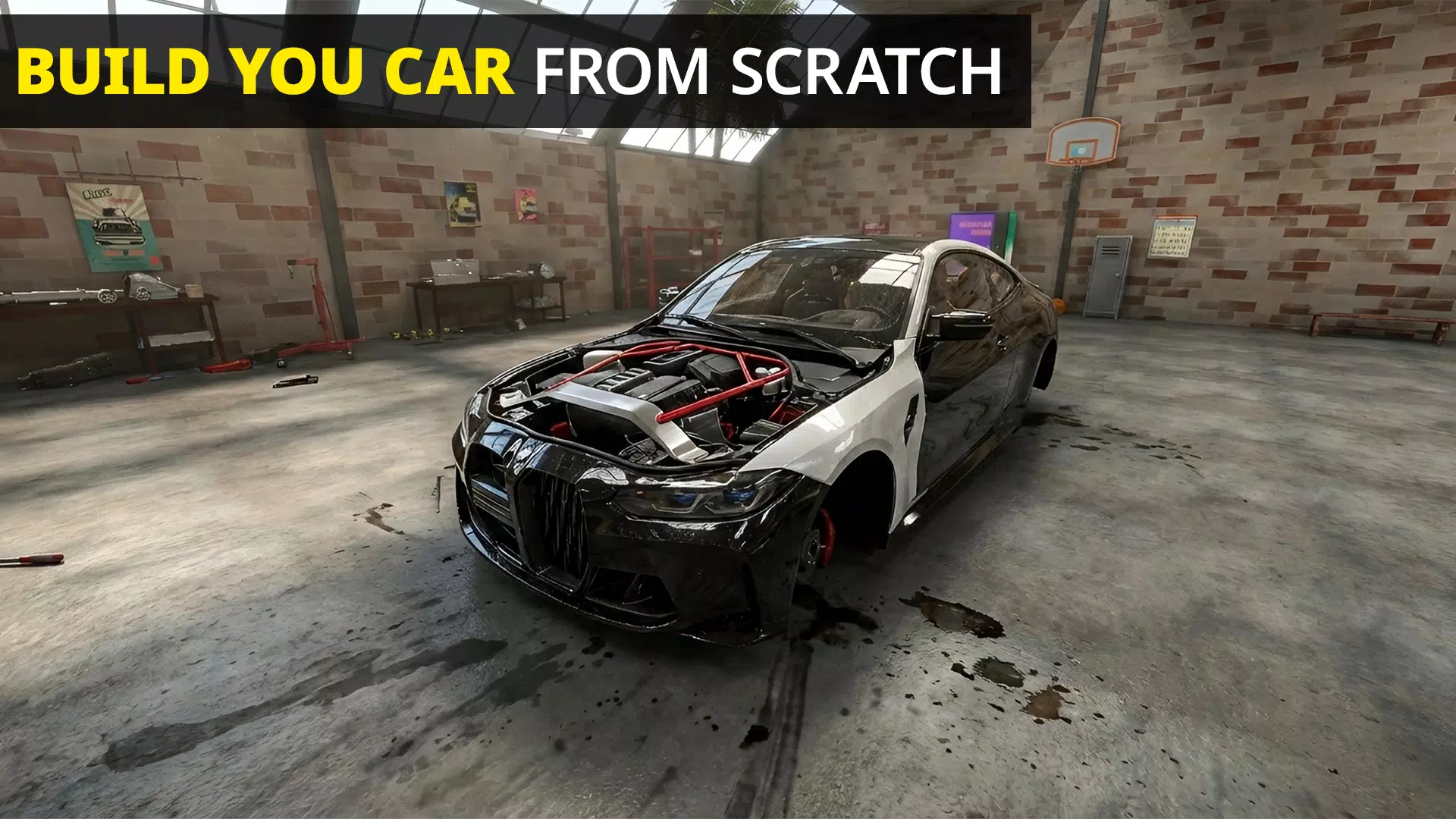
Mechanic: Car Tuning Simulator places you in a compact, well-equipped garage where careful, component-level work is the primary reward. In this realistic mobile workshop you build, restore, tune and test vehicles from the chassis up, tackling jobs that ask you to disassemble worn parts, source replacements, perform repairs and then evaluate the results on road tests. Mechanic: Car Tuning Simulator is aimed at players who enjoy methodical problem solving rather than instant arcade thrills, and the deliberate pace means each project feels like a small engineering puzzle that can be completed in a single session or returned to over multiple sittings.
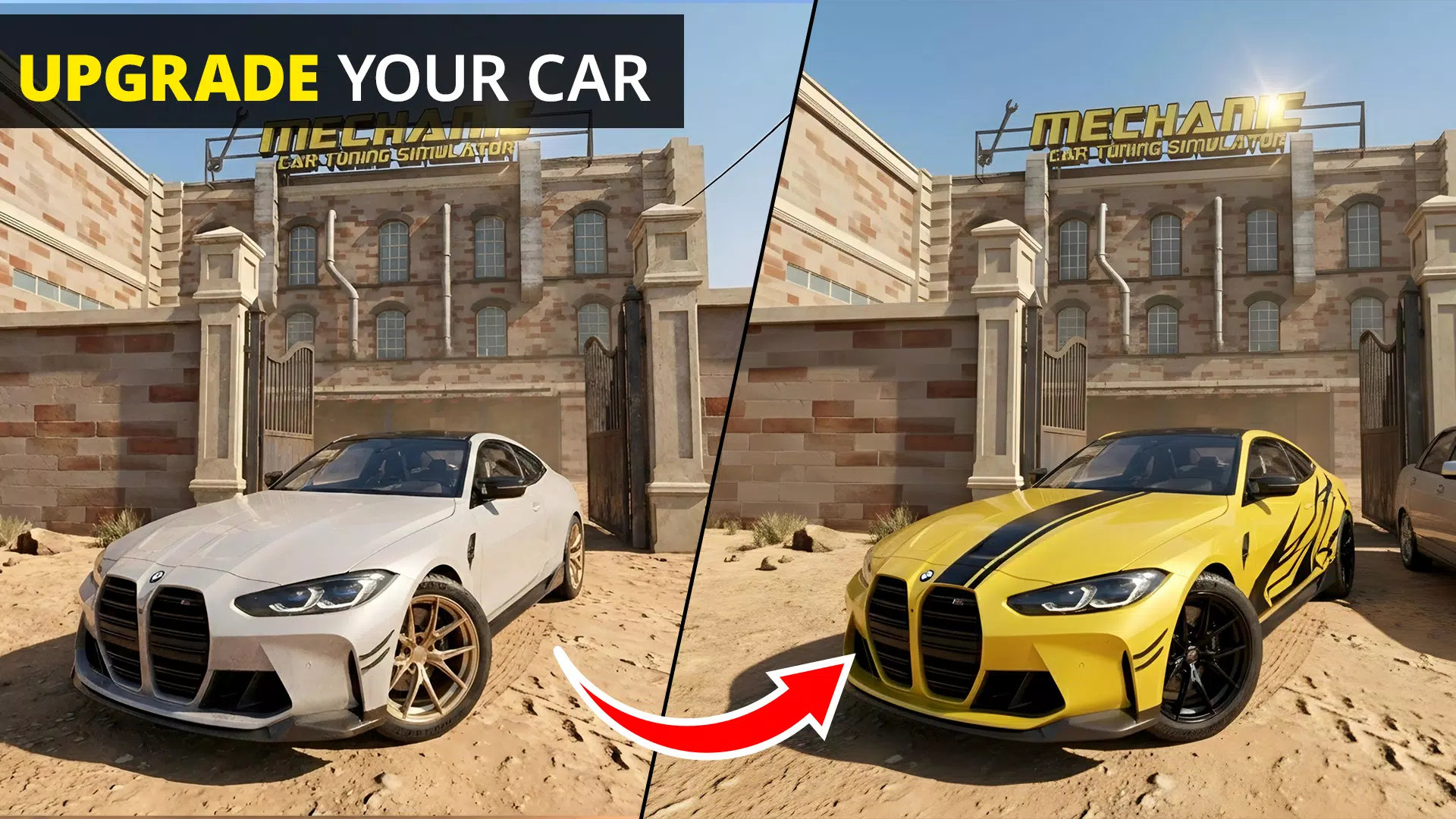
The core appeal is hands-on assembly and detailed parts management: engines, gearboxes, axles, suspension components, brakes, wheels and body panels are treated as individual items with their own wear, fitment and compatibility considerations. Visual customization includes paint, decals and aftermarket bodywork so you can communicate both performance upgrades and stylistic choices through the vehicle’s look. A variety of tools and workshop upgrades are unlocked as you progress, letting you handle larger projects, fit performance-oriented components and organize multiple ongoing restorations at once.
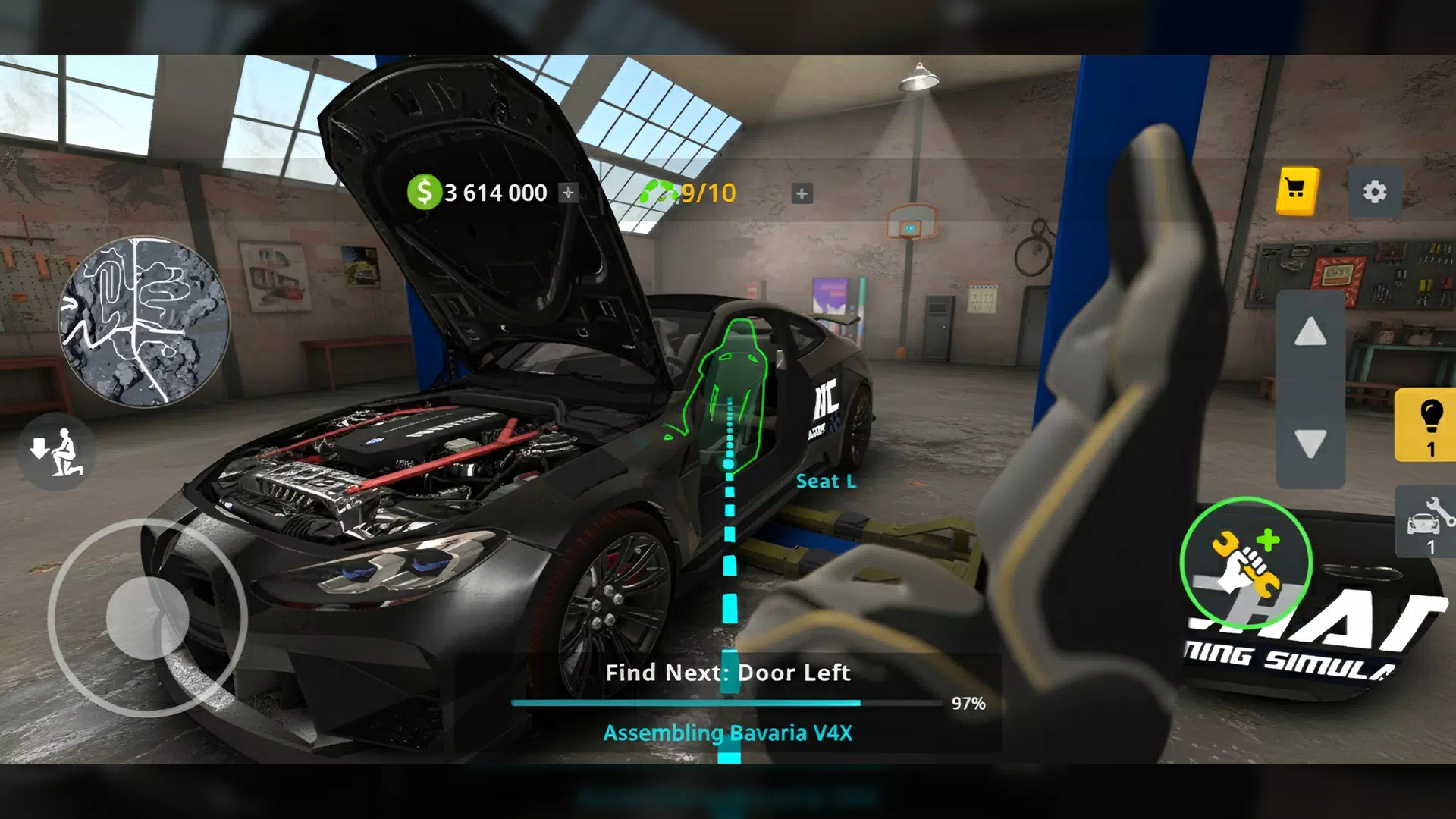
The interface is optimized for touch, designed to let precision work feel comfortable on a phone or tablet. Drag-and-drop placement, swipe gestures to remove panels, pinch-to-zoom for close inspection and fine slider controls for alignment and gear ratios create a tactile repair experience. A contextual camera lets you rotate and move around the work area to reach hidden fasteners and inspect damage, while on-screen tooltips and step-by-step tasks guide newer players through dismantling and reassembly sequences without overwhelming them. The combination of detailed parts and an accessible input scheme rewards careful attention and steady hands.
Progression unfolds as a series of job contracts and campaign milestones, starting with simple rebuilds and moving toward complex commissions that require diagnostic thinking and multi-stage solutions. Completing assignments earns money and reputation; higher reputation unlocks access to specialized parts, tougher jobs and expanded workshop capabilities. Challenge modifiers include time-sensitive repairs, handling or durability targets for test drives, and optional objectives that encourage experimentation with different setups. Mechanic: Car Tuning Simulator balances predictable learning curves with occasional puzzles that require reading symptoms, testing, and iterating until the vehicle meets the specified criteria.
The game’s presentation emphasizes clarity and mechanical detail rather than flashy effects. Close-up component models show wear, damage and repair states so you can see the impact of parts replacement and restoration work, while paint and decal systems let you personalize cars as you would in a real garage. Levels are structured as discrete jobs rather than linear tracks, so you can pick assignments to match how much time you have: quick repairs for brief play or large restorations that span several sessions. Workshop layout and storage options also expand with progress, helping you manage multiple vehicles at different stages.
Replayability is driven by meaningful choices in part selection and tuning philosophy: you can prioritize top speed, balance for cornering, drift setup or endurance, then test and refine until the car behaves the way you expect. Iterative test drives and clear physics feedback make it straightforward to evaluate modifications and improve setups across attempts. The game saves progress locally so it remains playable offline; in-app purchases are optional and progression is attainable through earnings from jobs, though ads may appear between sessions for players who prefer the free route.
Menus, tutorials and contextual help are designed to demystify complex mechanical concepts: clear labels, progressive difficulty and optional guidance let newcomers learn at their own pace while experienced players can skip basics and focus on advanced tuning. Accessibility settings include control sensitivity adjustments and UI scaling to improve readability on different devices. The developer states that user data is treated responsibly and encrypted in transit, and privacy options are disclosed in the app, offering reassurance for users who prioritize data protection. Overall, the experience favors careful work and learning over instant reward, making it a strong fit for players who enjoy technical depth and realistic tuning challenges.