


Isekai chan! is presented here as a single-player narrative simulation game that blends light café management with episodic storytelling. In this listing we describe the title as a simulation game to match the app_type: a focused, story-led experience where you manage a small ground-floor café and care for a roster of mysterious visitors from another world. The description that follows explains gameplay, controls, progression, visual style, and technical details so reviewers and players understand the intended app type and user experience.
At its core, Isekai chan! combines slow-burn narrative sequences with accessible management tasks. Players act as the sole heir of an old apartment building whose steady income depends on a cozy café below. When characters from another world arrive, you offer shelter, assign café duties, and uncover their backstories while pursuing leads to help them return home. Gameplay alternates between conversational scenes that advance character relationships and short management segments where you prepare orders, manage supplies, and decide how to allocate limited time and staff. The balance is deliberately light: the game emphasizes interaction and choice rather than complex economic simulation.
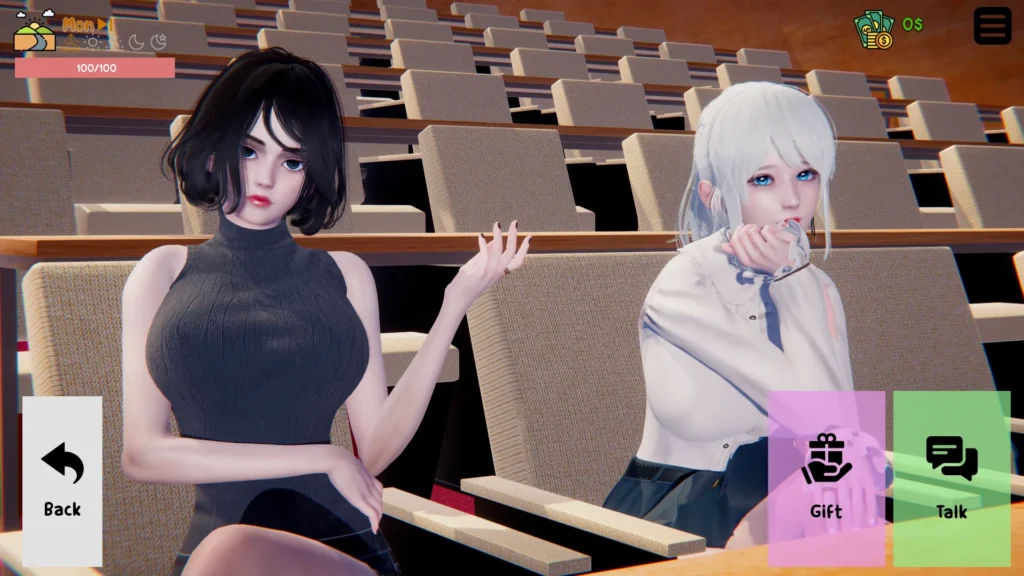
Isekai chan! is designed for touch devices with a straightforward interface. Tapping selects menu options and dialogue choices, while drag gestures are used for simple management tasks such as arranging seating or restocking a shelf. Contextual tooltips help new players learn mechanics, and the UI groups core actions—staff assignment, menu selection, and building upkeep—within a few clearly labeled screens. Menus include clear icons for inventory, character profiles, and active story objectives so players can jump into a scene without long mechanical overhead.
Progression unfolds through an episodic chapter system. Each chapter introduces new story beats, café challenges, and character events that raise bond levels and café reputation. Bond meters track relationships and influence dialogue options, while café reputation and simple revenue systems unlock new recipes or equipment. Advancement is story-driven: completing character episodes and reaching reputation milestones opens further narrative threads. Save and autosave options preserve progress between short sessions, making the game suitable for casual play.
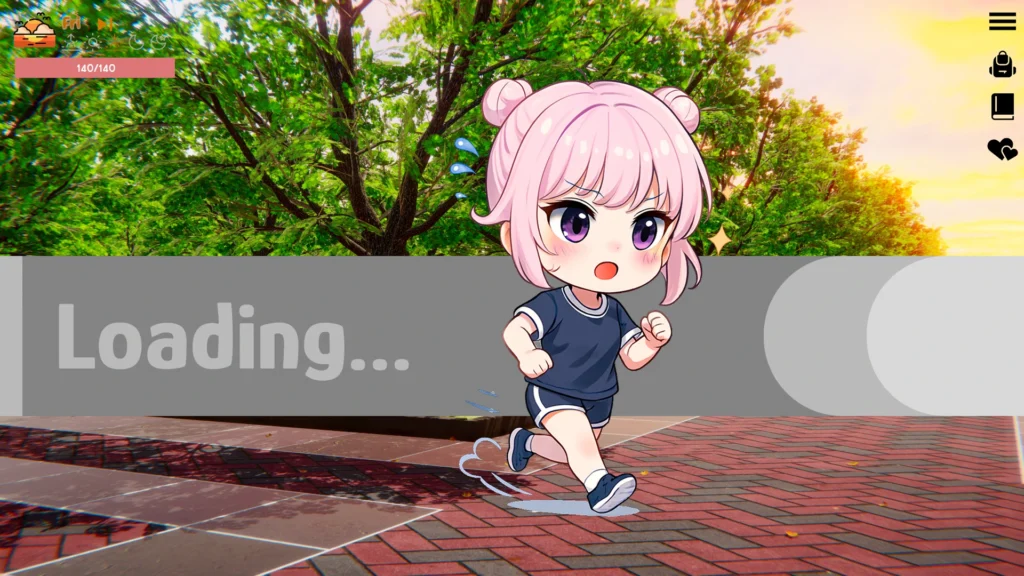
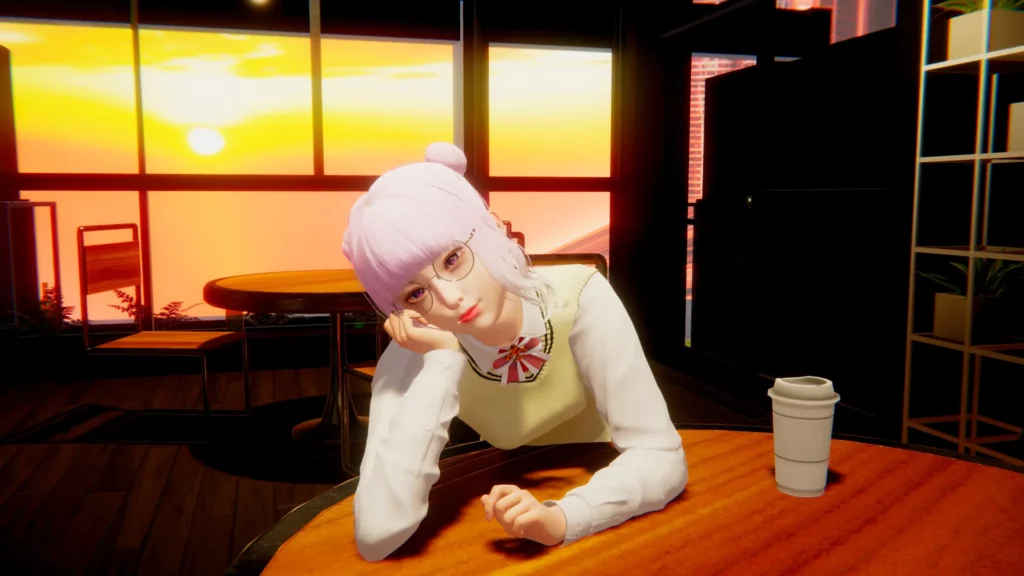
The visual approach favors warm, character-focused art with soft backgrounds and expressive portrait work that underline the slice-of-life atmosphere. Character portraits change with dialogue and emotional beats, giving scenes a more personal feel. Background music and discrete sound cues set a calm, inviting tone for café service while shifting mood during key narrative moments. The presentation supports the game’s cozy pacing rather than supporting fast action or arcade-style feedback.
Levels are structured as self-contained days or episodes with short objectives—serving a set number of customers, preparing signature recipes, or completing a conversation milestone. Difficulty is intentionally low to moderate: timing and prioritization matter, but the game avoids punishing mechanics. Periodic events introduce small, time-limited tasks to diversify routine gameplay and encourage players to explore different character interactions and café setups.
Players can personalize the café environment within a modest scope that reinforces narrative choices. Customization options include rearranging furniture to influence flow, selecting menu items to change service speed, and choosing outfits or roles for resident characters to reflect story decisions. These choices have small mechanical effects on efficiency and reputation while offering visual variety and role-playing opportunities.
Isekai chan! encourages replay through character-focused branching scenes and multiple relationship outcomes. Different dialogue choices, staffing setups, and recipe selections lead to varied interactions and unlockables, so subsequent playthroughs can reveal new backstory segments or alternative resolutions for stranded characters. The episodic format also makes it easy to revisit chapters to explore alternate paths.
The design emphasizes readability and ease of play. Text size options and a log of recent dialogue improve accessibility for players who prefer larger fonts or need to review conversations. Pacing controls such as auto-advance or manual progression allow users to tailor the narrative flow. Clear in-game guidance and progressive tutorials help onboarding for players unfamiliar with light management mechanics.
This single-player experience is playable offline after installation, with local save files and no requirement for persistent online connectivity. The game is currently listed as version 0.3.0, and players should expect ongoing updates as the developer expands content and refines systems. PLAYMAKERz Games is credited as the studio behind the release and continues to iterate on the title based on feedback.