
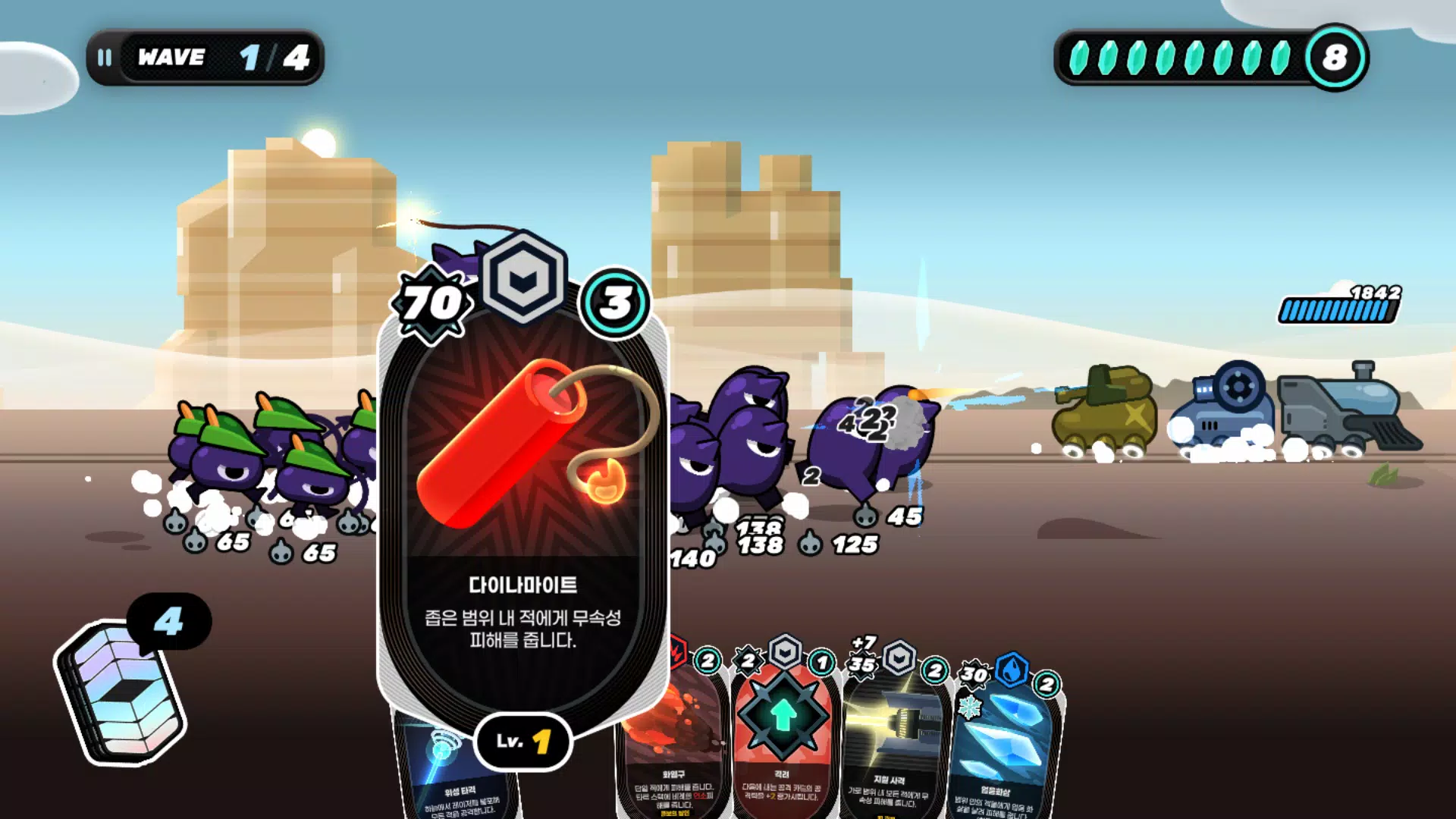
Card Train places you at the helm of a moving convoy where deck-building meets timing-based tower defense. In Card Train you collect and play cards from a changing pool, manage limited resources under pressure, and assign abilities across a chain of cars as enemies approach from multiple lanes. The overview emphasizes decision-making under evolving conditions: choose which cars to protect, when to trigger synergies, and how to balance short-term survival with long-term upgrades for a satisfying single-player experience.
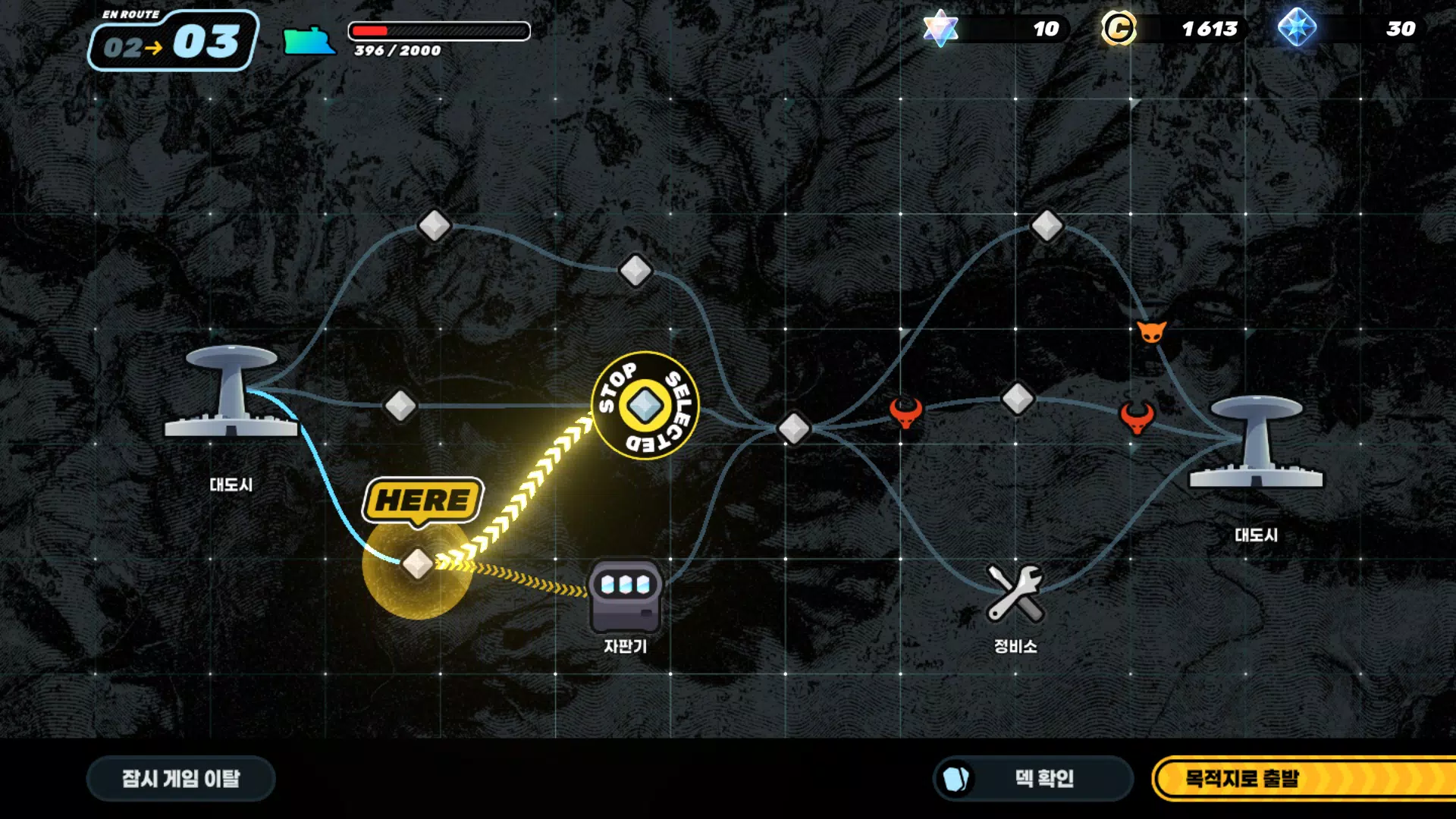
The core loop blends hand management with spatial awareness along a dynamic track of connected train cars. Cards fall into practical categories—direct damage, area effects, shields, and situational utilities—and each has a timing and placement component that matters because the battlefield shifts as the train moves. Enemies advance on distinct lanes and some mechanics rely on creating chain reactions across adjacent cars, so planning a play several steps ahead is often as important as reacting to immediate threats. Resource costs, cooldowns, and limited hand size encourage trade-offs that keep each run tactically engaging.
Controls are optimized for touchscreens with intuitive gestures: tap to select a card, drag to place it on a specific car or lane, and use contextual taps to inspect detailed stats and interactions. The game includes a brief interactive tutorial that introduces tapping, dragging, and timing concepts, while unobtrusive tooltips appear during early runs to explain new card mechanics. Input responsiveness is a priority, so touch responses remain precise even during intense waves, letting you execute deliberate plays without control lag.
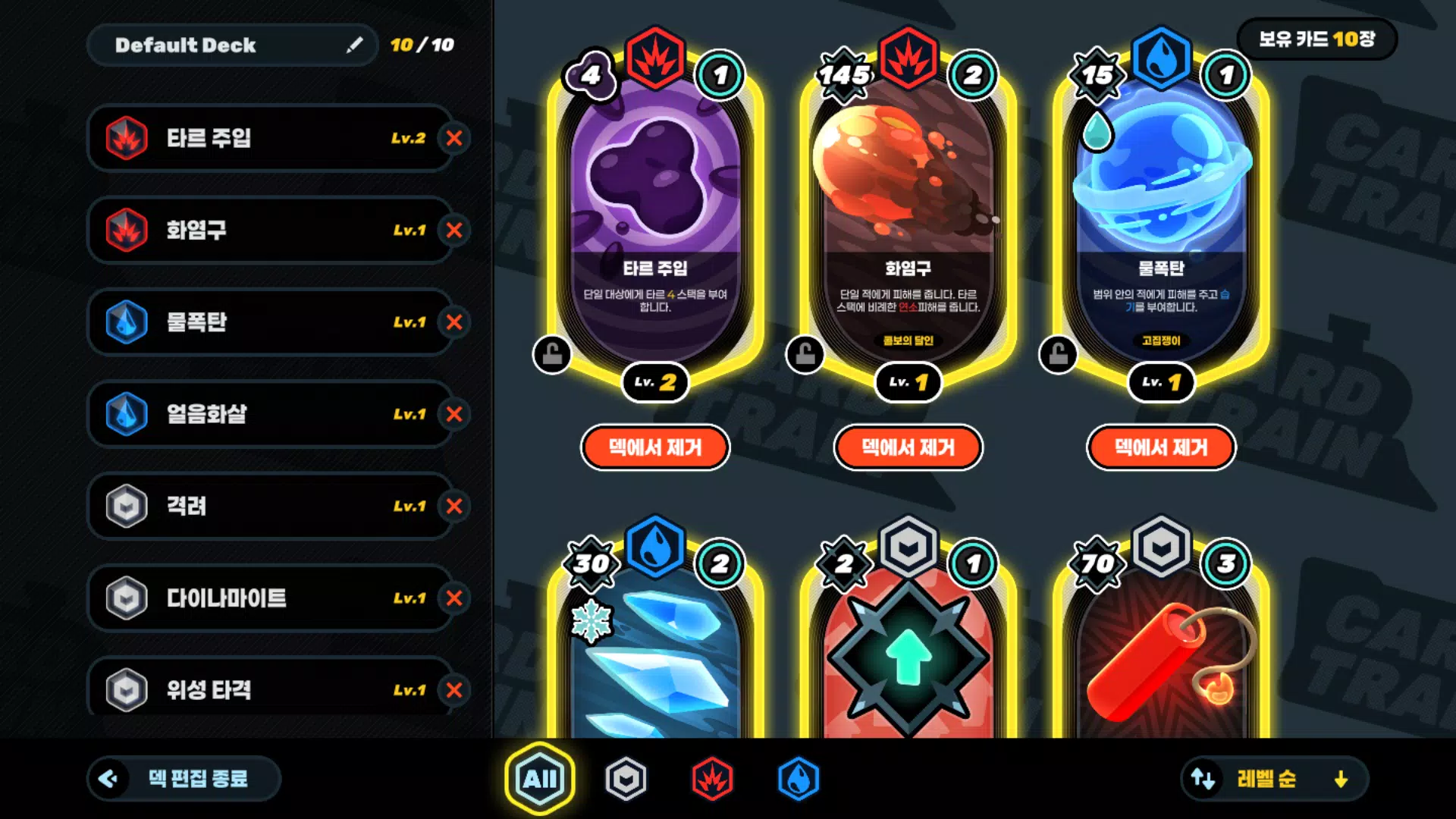
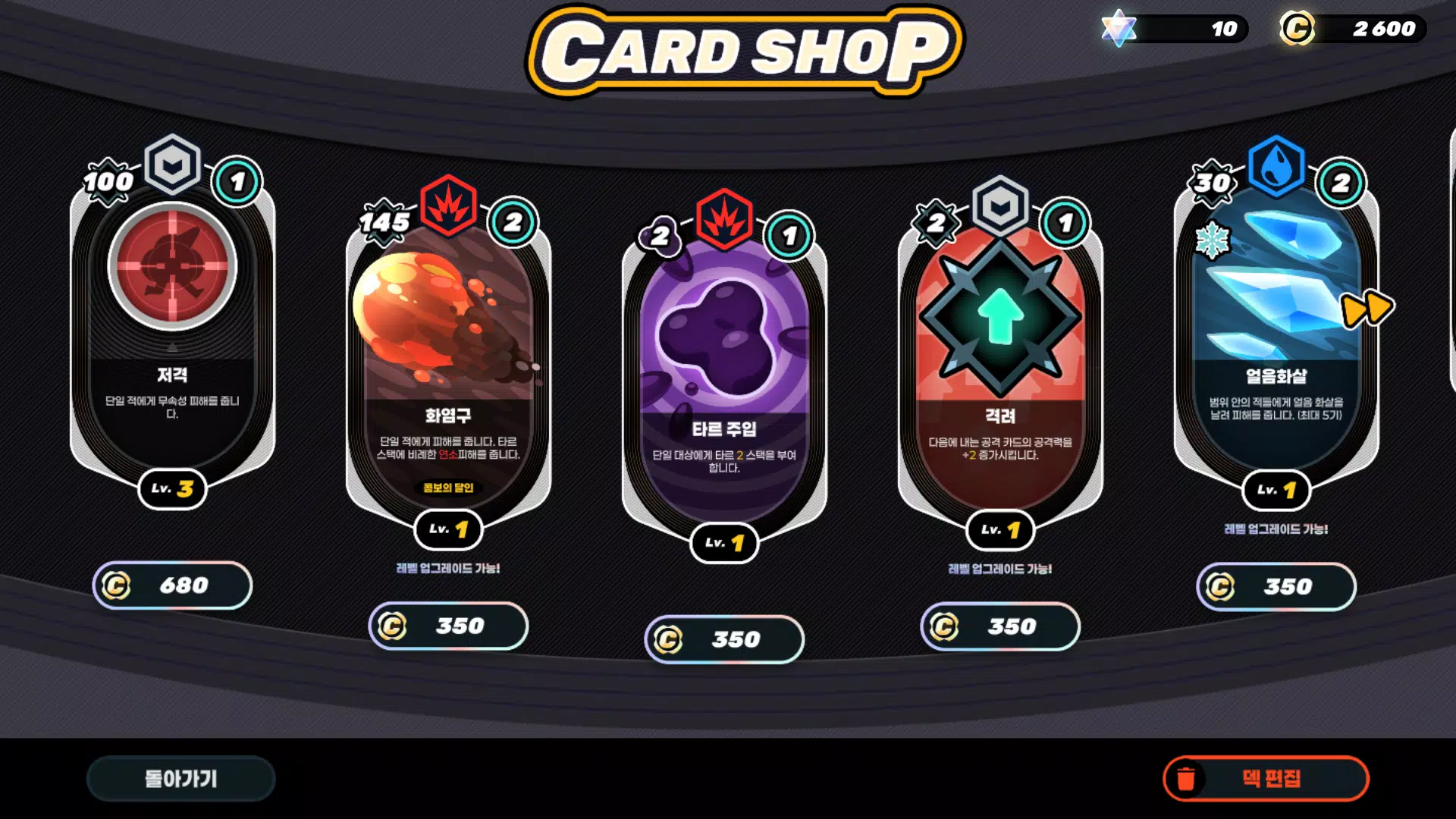
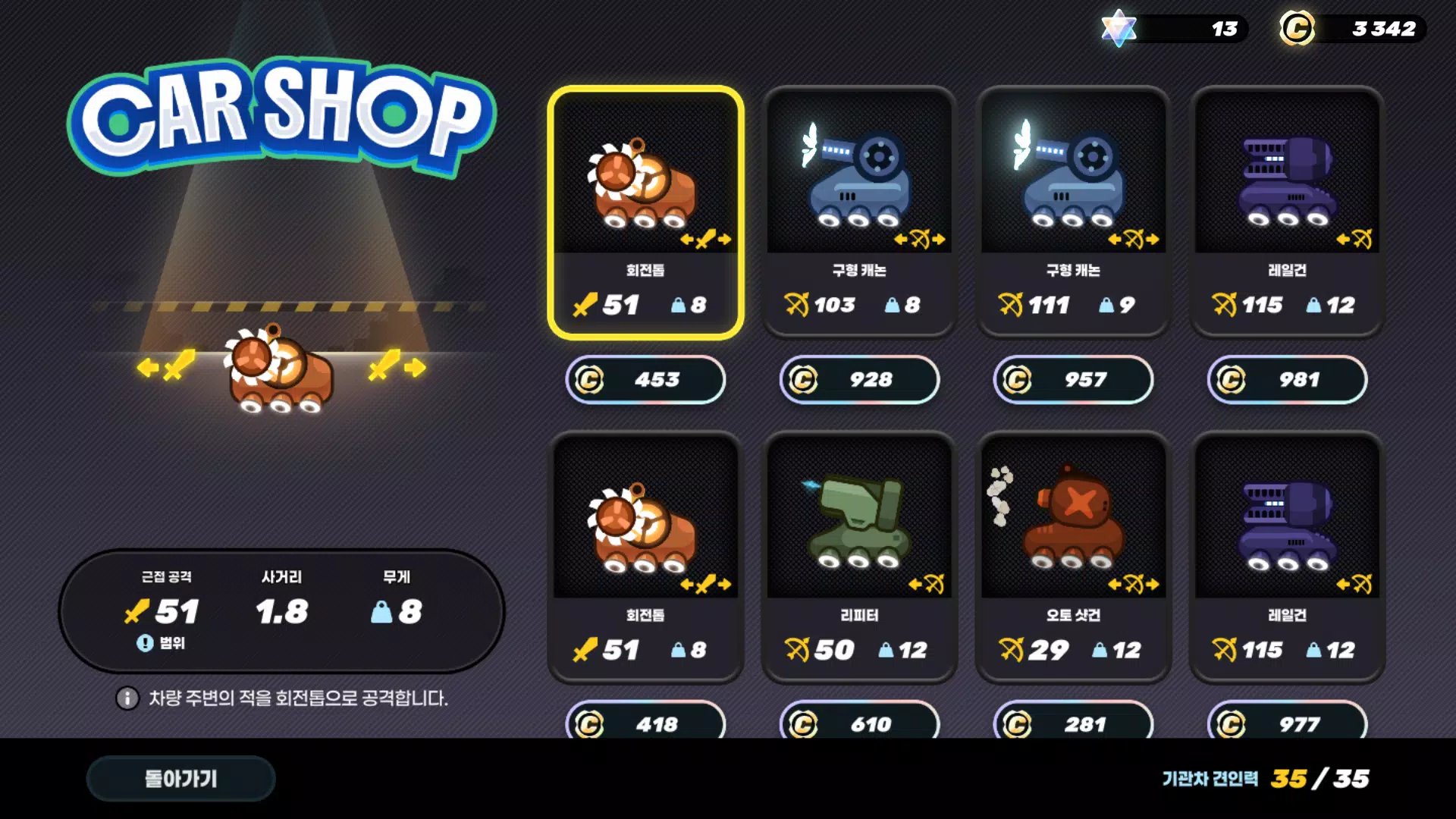
Progression balances run-to-run choices with permanent growth. In Card Train you unlock new card types and permanent upgrades as you advance, and those additions expand strategic options over time. Between runs you can customize individual cars with modifiers that alter their role—turning a carriage into a tanky shield, a mobile artillery platform, or a utility hub that buffs nearby allies. Deck construction and upgrade selection form meaningful decisions: some builds favor conservative resource management, while others reward aggressive combos and timing-based plays.
The visual presentation focuses on clarity and readability so tactical information is easy to parse mid-run. Each level features distinct thematic zones with differing layouts and hazards that influence route choices: some tracks create long sightlines suited to suppression, while tighter tracks require close-range defense and rapid repositioning. Visual cues highlight enemy types, threat priorities, and the active effects of cards, helping you make quick, informed choices without cluttering the screen. Art direction emphasizes functional contrast rather than spectacle, which aids decision-making on a variety of devices.
Modular upgrades and card synergies are designed to reward experimentation. Small changes to a deck or a single car's modifier can produce new interactions, encouraging players to test combinations and refine preferred strategies. A range of viable playstyles is supported so you can iterate between defensive, utility-focused builds and bold, high-risk approaches. Unlockable pathways broaden options without making success purely random, allowing deliberate planning alongside run-to-run variability.
Replay value comes from a mix of procedural card pools, diverse enemy compositions, and adaptive challenge that scales as you learn core mechanics. Early runs introduce foundational tactics while later stages bring tougher enemy types and encounter patterns that require deeper deck planning and situational awareness. Sessions are structured to work well both as short bursts and as longer plays, and the balance aims to reward skillful adaptation rather than punishing unpredictability.
Card Train includes adjustable difficulty settings and options to reduce visual effects for lower-end hardware so the game remains accessible across many devices. Clear visual indicators and optional assistive features help players understand core mechanics, and the interface provides contrast and icon clarity to aid readability. The title is primarily a single-player, offline experience so you can enjoy runs without a persistent internet connection, while optional sync features are available for users who choose to backup progress.
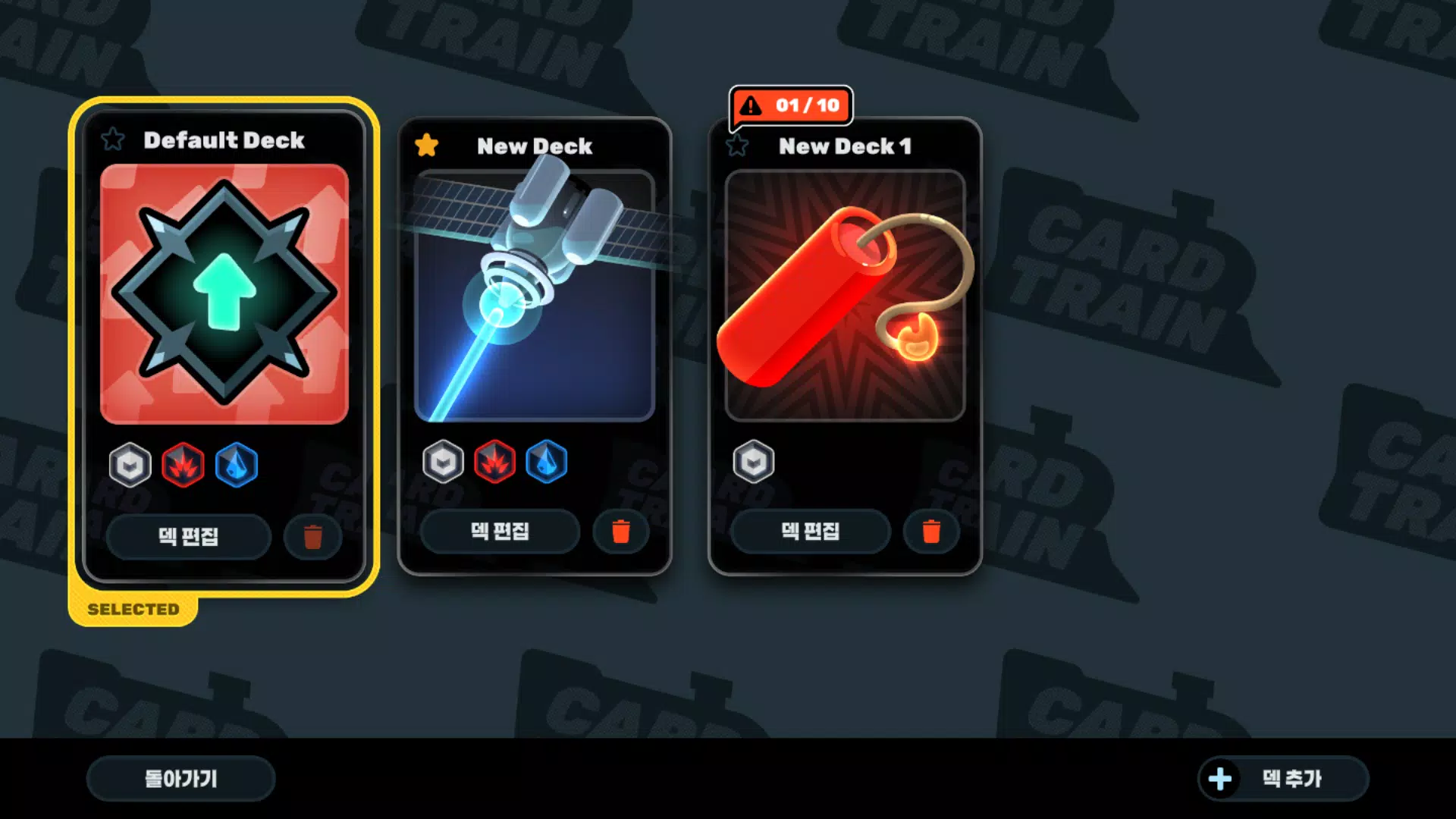
The user interface is organized to minimize friction: deck management screens, upgrade menus, and in-run HUD elements are laid out for quick access and clear comprehension. A progressive tutorial sequence introduces advanced concepts like synergies and resource timing, and in-app help provides quick reminders during play. Players can report bugs or provide feedback through the app's support channels, and significant updates are accompanied by patch notes so users know what changed and why.
Terms of Service and Privacy Policy were updated on June 24, 2026 to clarify data handling and optional synchronization settings. Check the in-app legal section for the full text and any subsequent changes; these updates describe how progress data is stored and what options are available for backing up or restoring saved runs.