
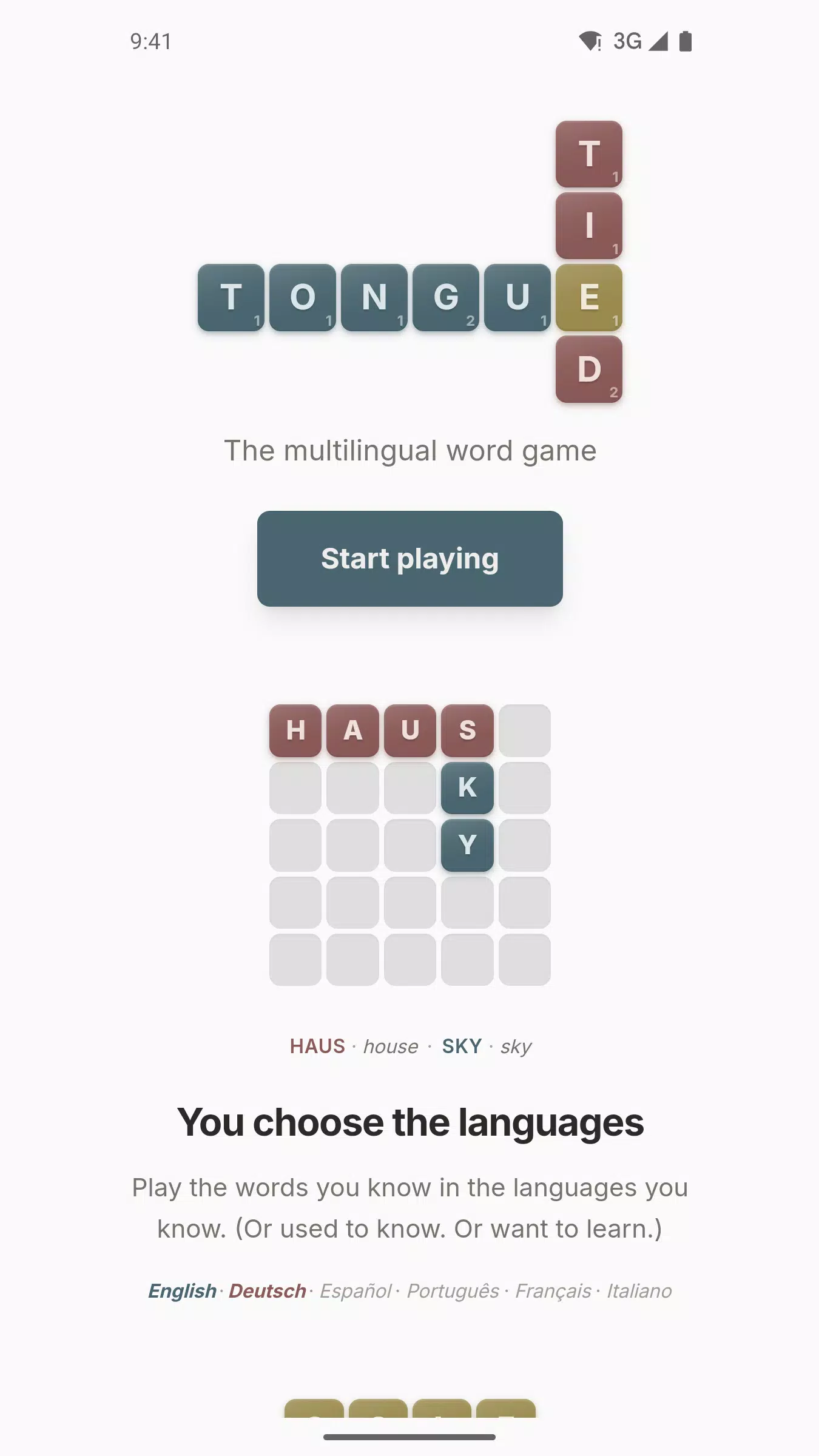
TongueTied is a rhythm-focused party game built around spoken tongue-twisters, timed response rounds, and short cooperative mini-games. In TongueTied you alternate between repeating phrases, tapping rhythm prompts, and solving quick word puzzles under a strict clock. This editor introduction explains how the gameplay works, what controls are available, how progression unfolds, and which accessibility and offline options help players of different skill levels enjoy the experience.
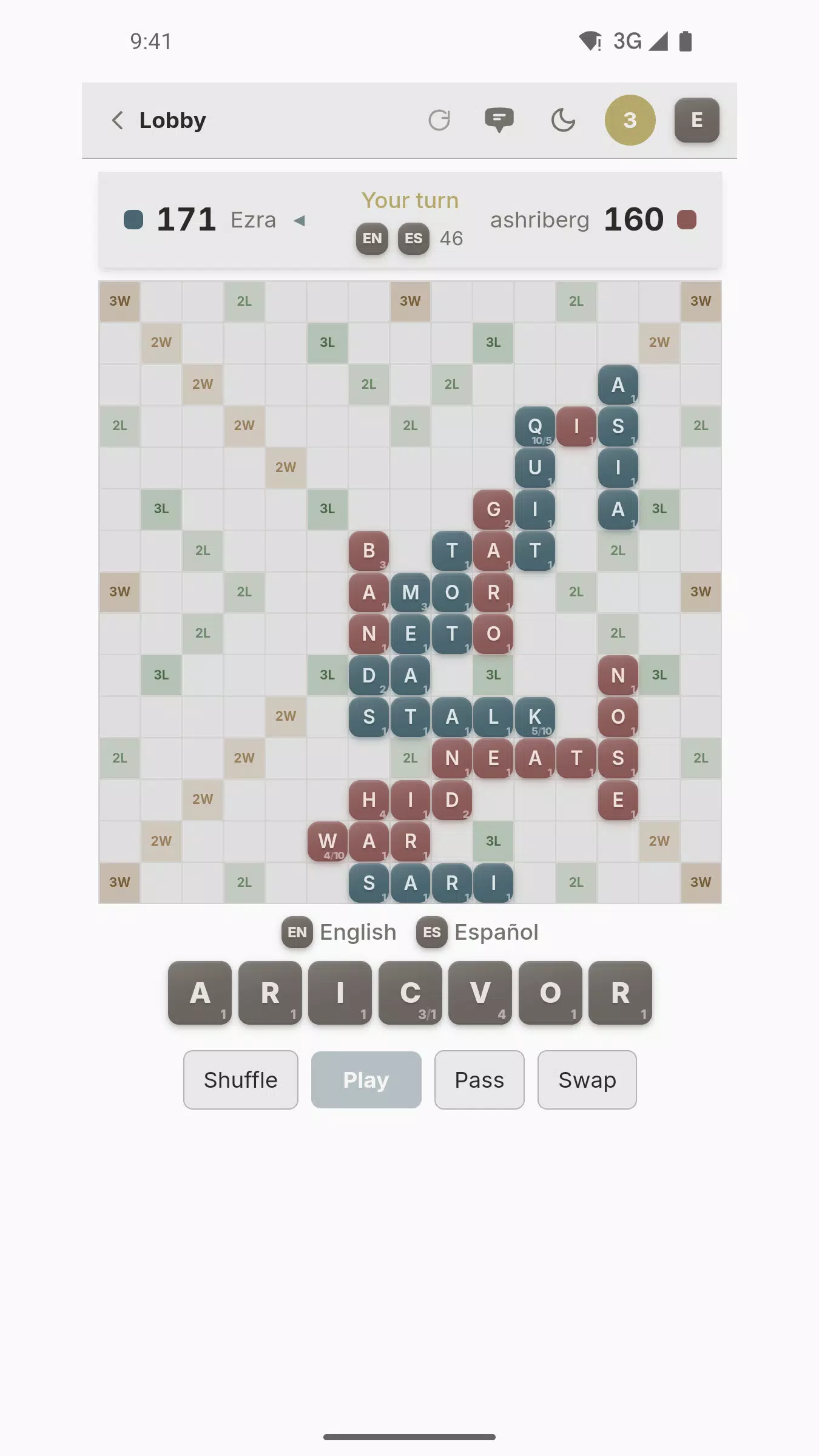
The core loop of TongueTied centers on short, energetic rounds designed for rapid feedback and easy pick-up sessions. Each round asks players to listen to a phrase or rhythm cue, react within a timing window, and adapt to escalating difficulty. Early rounds use single-syllable prompts and clear visual cues; later stages introduce multisyllabic phrases, overlapping audio, and visual distractions that require sharper focus. Matches can be structured as solo drills, head-to-head duels, or chaotic four-player free-for-all rounds that emphasize quick decision-making and improvisation.
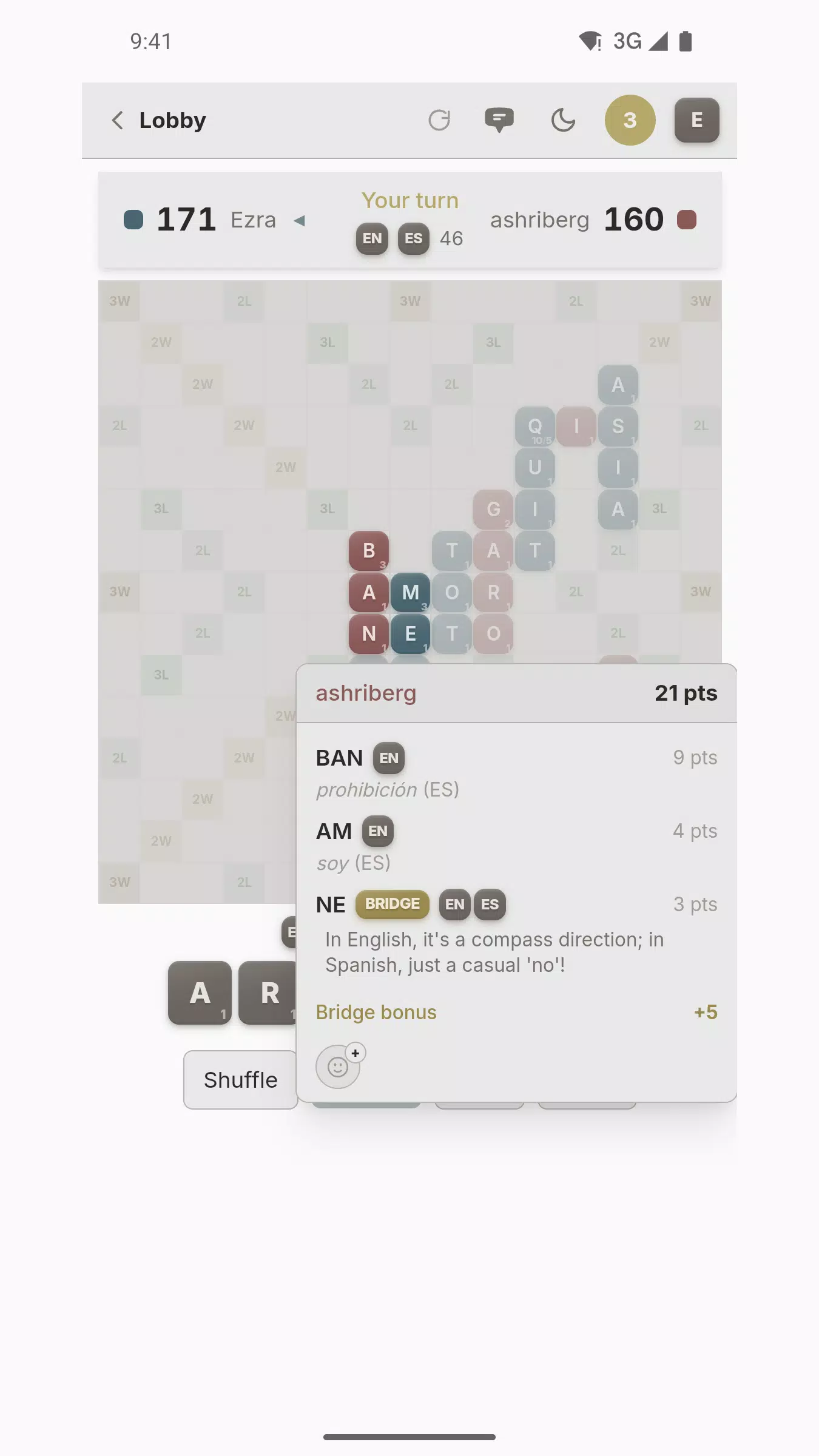
Controls are deliberately simple and flexible to suit different play preferences and device setups. Speech recognition is available for rounds that require repeating phrases; the system offers sensitivity settings and a calibration tutorial so the app can better detect spoken input. For situations where speaking isn’t convenient, alternate tap-based timing controls replicate the same windows of accuracy using touch input. Visual timing bars and immediate accuracy indicators accompany both input modes so players always know why a prompt succeeded or failed.
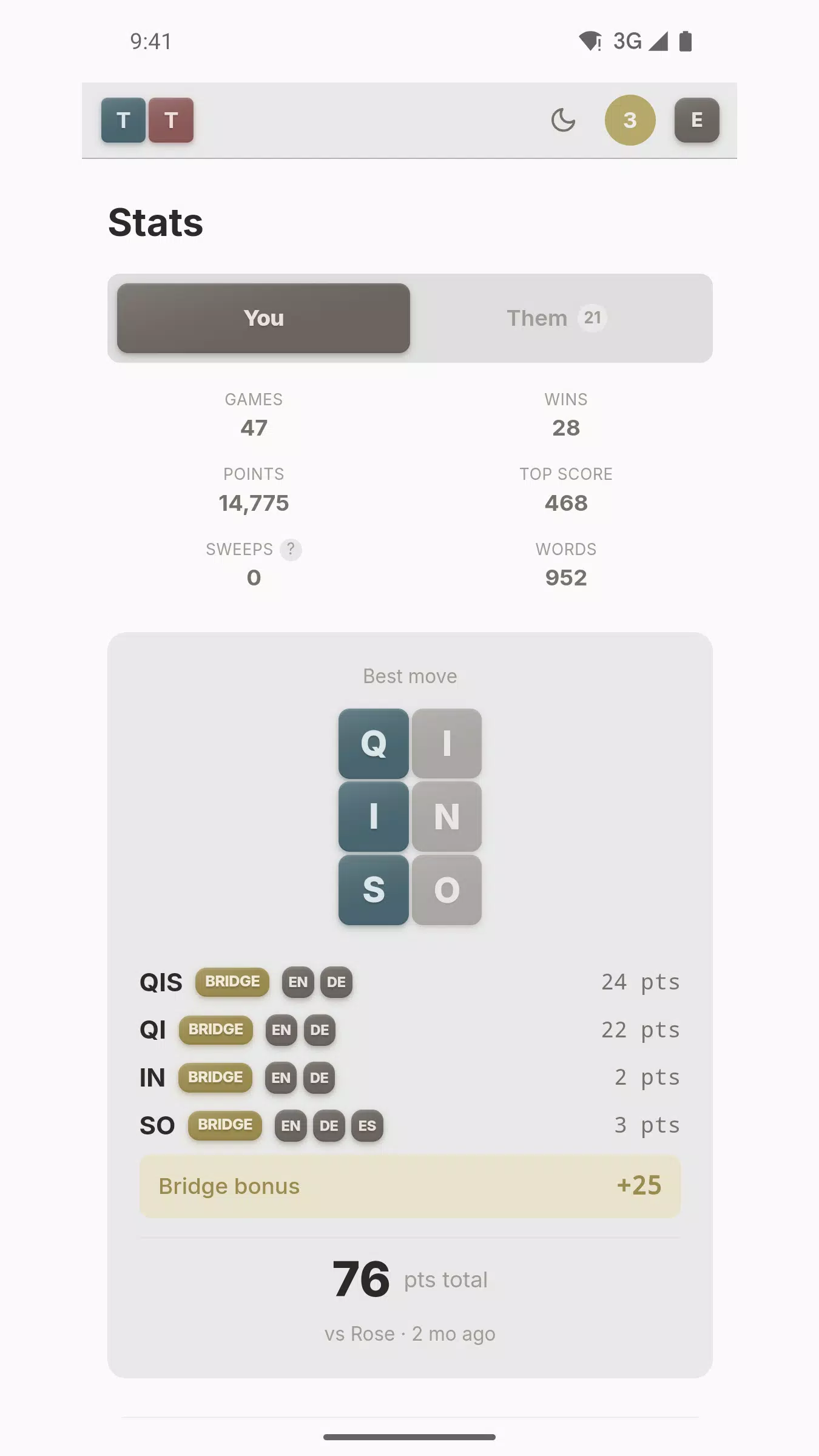
Progression in TongueTied is performance-driven. Completing sets of challenges unlocks new maps, additional phrase packs, and cosmetic items for avatars. Difficulty scales in clear steps: practice sets emphasize pattern recognition and breathing, mid-tier stages test sustained pacing, and advanced levels combine split-audio cues and rapid-fire prompts. Challenge chains and achievement-like milestones encourage replay without forcing long sessions, so players can steadily improve accuracy and timing on familiar phrase packs.
TongueTied provides a variety of play modes to match different group sizes and moods. Quick Play drops you into short rounds for instant entertainment, while Campaign mode strings curated challenges into themed stages that gradually introduce new mechanics. Party sessions are geared toward local play, with options for pass-and-play on a single device or local wireless play where supported by hardware. In-game leaderboards let you compare best times and accuracy with friends on the same device or in local groups, and private sessions reward cooperative teamwork without relying on online matchmaking.
The visual presentation favors high-contrast, readable cues and stylized environments that influence perception without obscuring gameplay. Stages range from quiet café rooms to bright carnival sets; each environment applies subtle audio filters and visual distractions that alter how spoken prompts are heard and read. Audio prompts are produced with clear enunciation and can be slowed down for practice. The heads-up display focuses on timing windows and accuracy feedback so players can quickly learn and refine their technique.
Character customization in TongueTied is cosmetic and intended to add personality rather than alter balance. Players unlock outfits, emotes, and simple avatar accessories by completing challenge tiers. These options allow for light personalization of your on-screen presence during local matches and can be earned through steady play rather than in-app purchases. Cosmetics provide a visual goal that complements skill-based progression.
Accessibility features include a slow-voice option, alternative tap controls, subtitle toggles, and colorblind-friendly palettes. Calibration tools help tailor speech recognition sensitivity and volume for different microphones and environments. The game supports offline play for single-player practice and local multiplayer, so many features remain available without an internet connection. Lightweight synchronization for local sessions keeps latency low and preserves the responsiveness needed for accuracy-based scoring.
Short rounds, incremental unlocks, and variety in challenge types contribute to replay value. New players should start with the training arena to learn timing windows and phrase pacing; slowing audio during practice helps internalize tricky consonant clusters. Focus on mastering one mechanic at a time—such as rhythm rounds before adding speech-based challenges—and use local party sessions to experiment with strategies and communication. With clear feedback and bite-sized content, TongueTied is well suited for quick breaks or longer social gatherings where measurable improvement and playful competition keep sessions engaging.