

HobbEdu turns language learning into a playful, level-based adventure for children aged six and older, blending colorful visuals, short practice sessions and age-appropriate challenges to keep young learners engaged. HobbEdu introduces themed stages such as greetings, family, food and everyday vocabulary, combining flashcards, reading tasks, puzzles and mini-games so practice feels like play while building confidence across Chinese, Spanish, English, German, French, Italian and Portuguese.
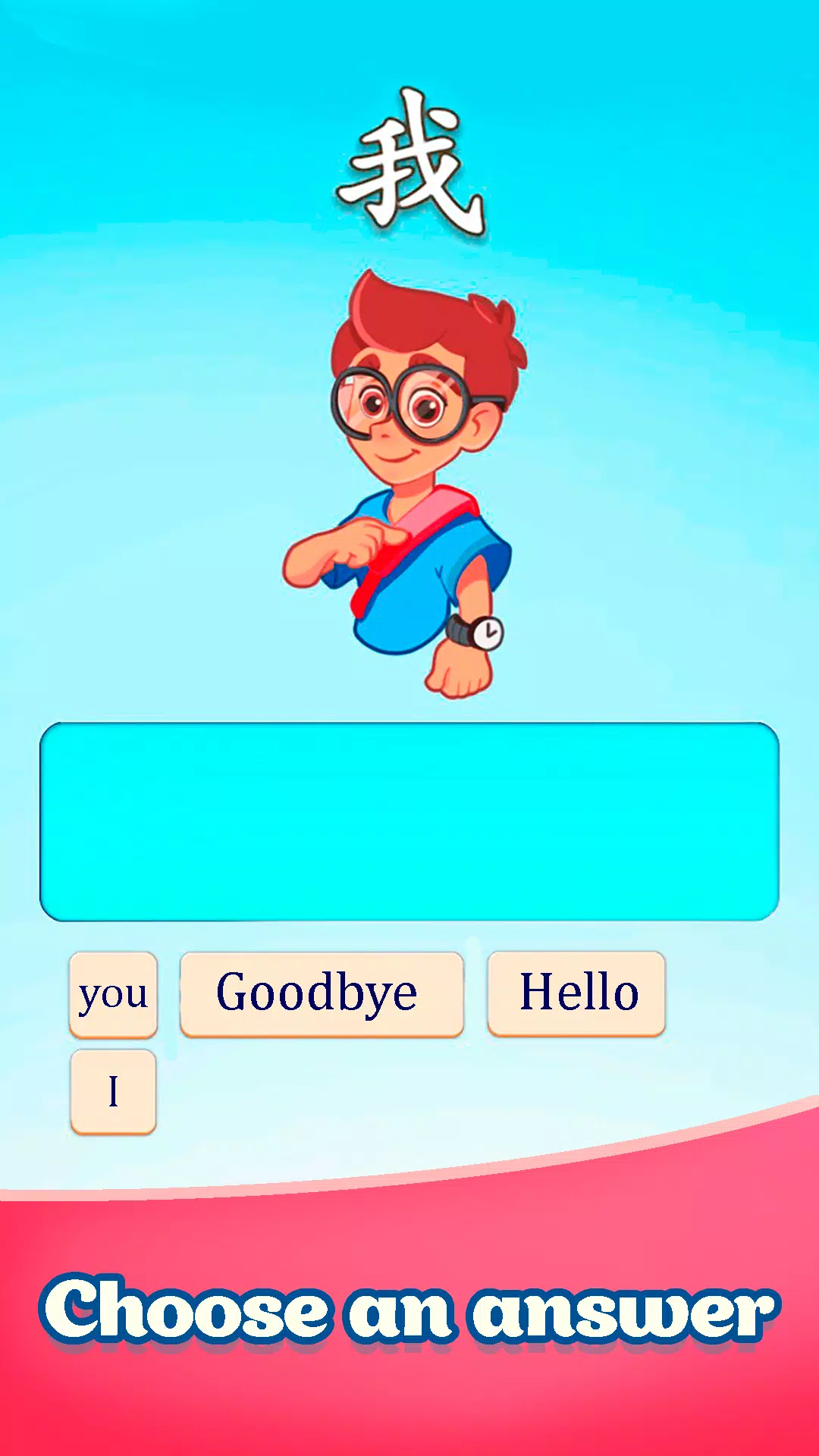
Players move through a sequence of themed levels that each focus on a small set of words and phrases. Levels present material in several formats: illustrated flashcards for initial exposure, short reading passages to build recognition, interactive puzzles that test comprehension, and mini-games that reinforce recall under light time pressure. Many activities are designed to be completed in a few minutes, making the game easy to use in short daily sessions and suitable for fragmented attention spans common in early learners.
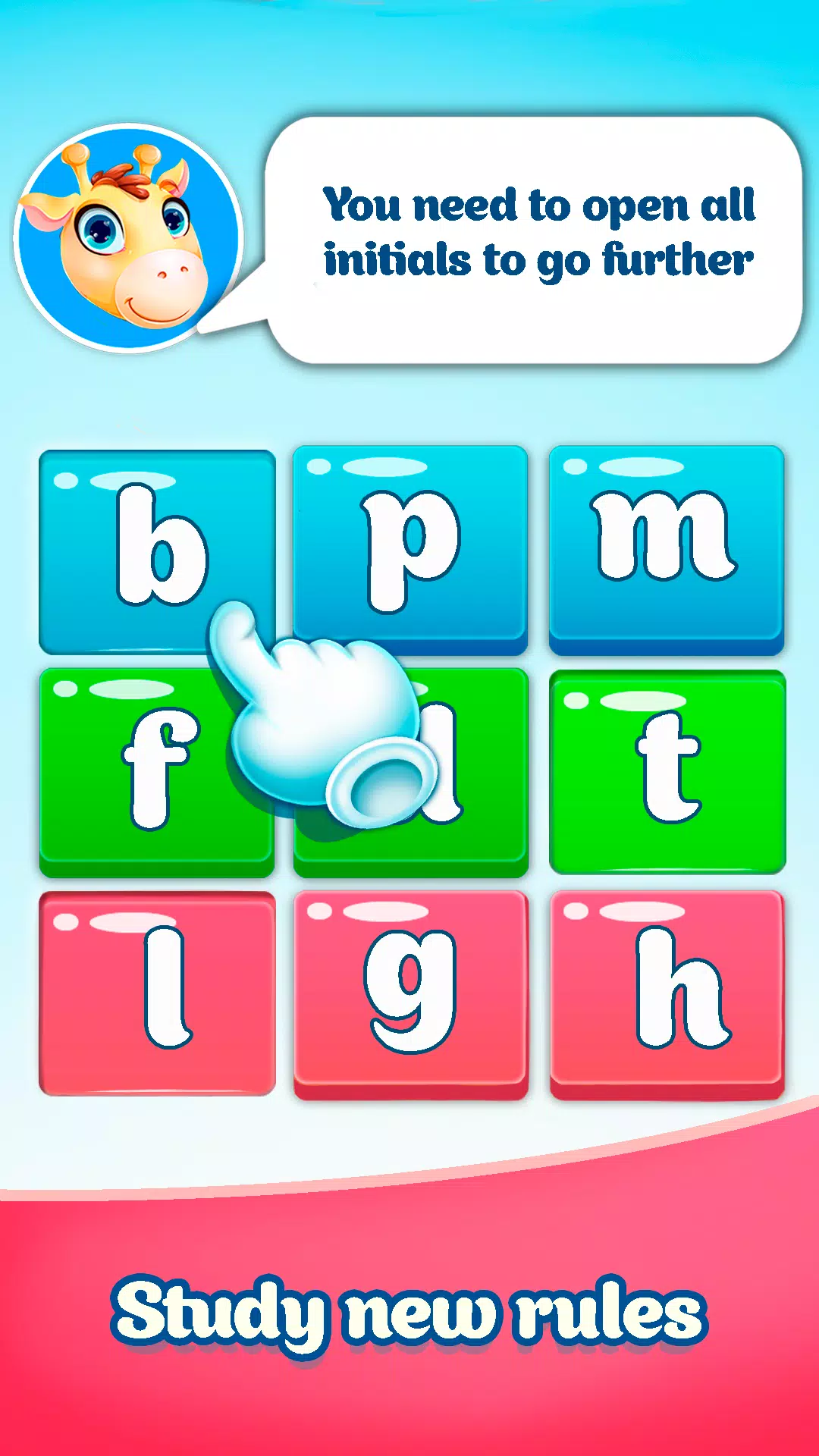
The controls are simple and appropriate for children: tap to select answers, drag to match words with images, and swipe to flip cards or progress through a lesson. Audio prompts and native-speaker pronunciations accompany vocabulary and sentences so learners hear correct pronunciation before repeating or responding. In addition to touch interaction, visual cues and consistent feedback help children understand correct and incorrect responses without lengthy explanations.
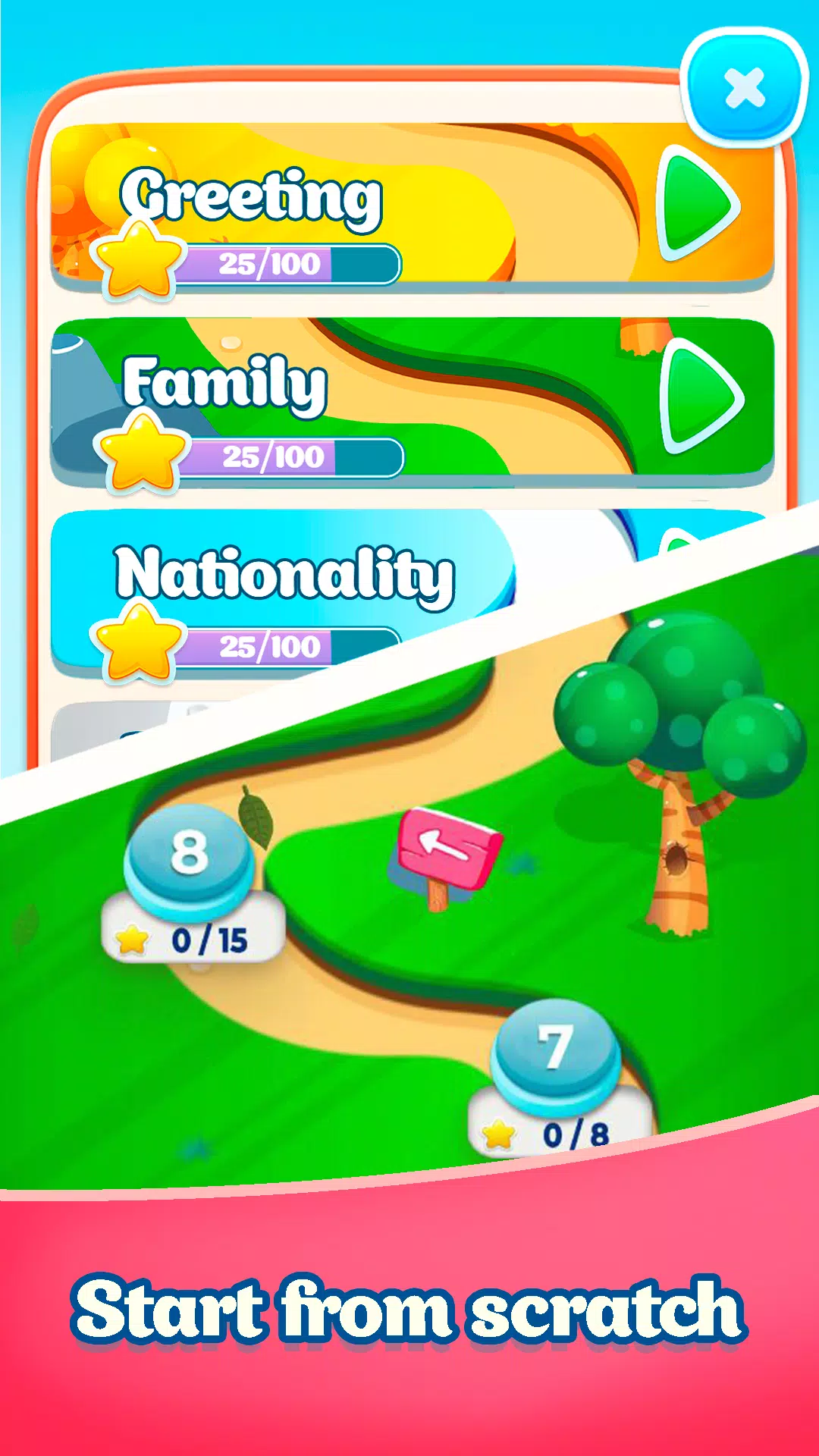
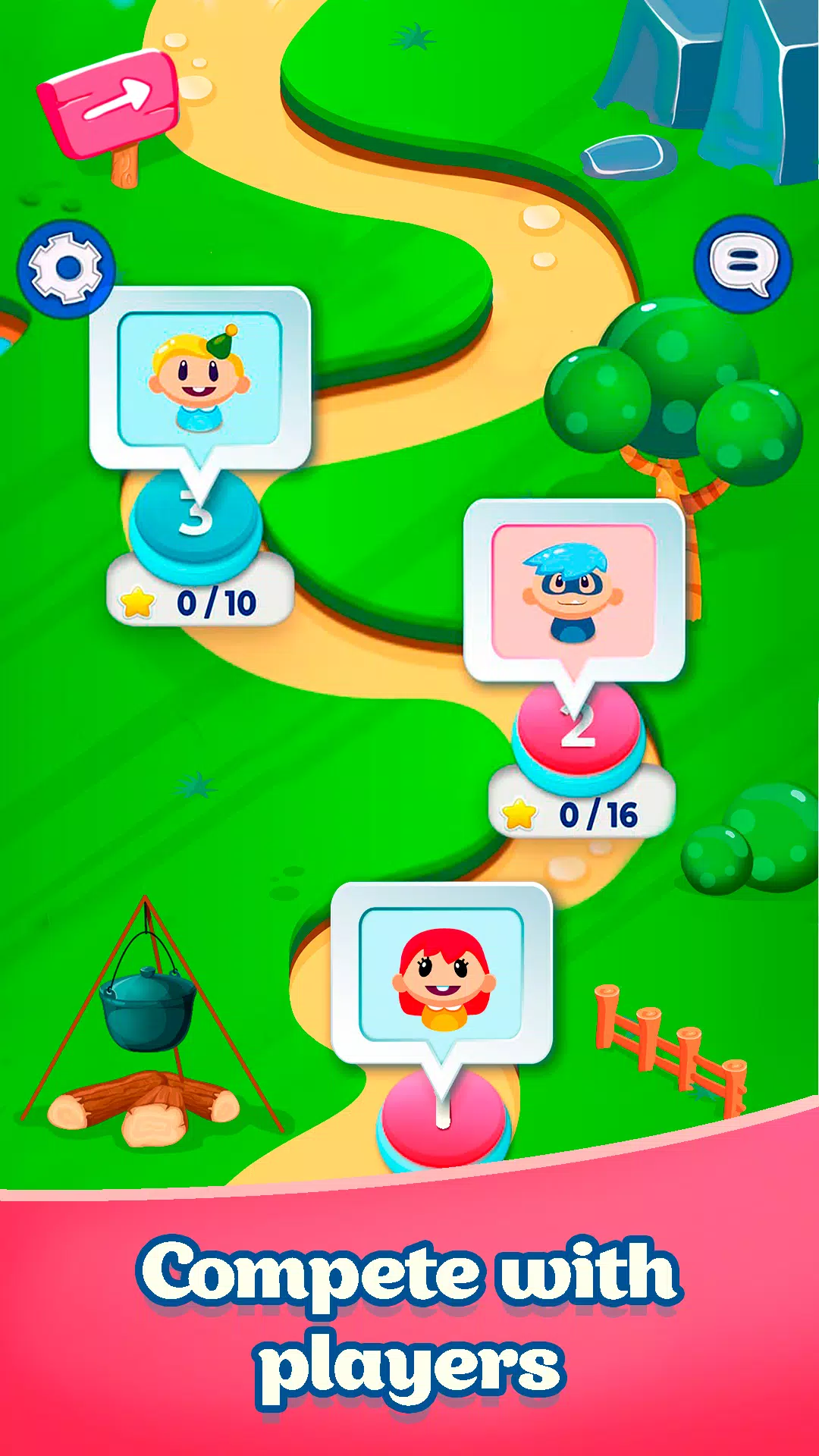
Progression is level-based and incremental: each completed activity awards experience points that contribute to level advancement, unlocks stickers and fills progress bars for specific vocabulary topics. HobbEdu uses a visible streak and milestone system so children and caregivers can see steady improvement over time. Daily missions and optional practice rounds encourage replay while allowing learners to revisit previous levels for mastery. Rewards are collectible but lightweight, designed to motivate continued practice rather than distract from learning.
Lessons are organized around concrete topics to make vocabulary memorable and immediately useful. Difficulty increases gradually within and across stages: early levels focus on single-word recognition and matching, while later tasks require short reading comprehension, sentence construction and contextual use. Optional challenge modes allow players to replay content with stricter time limits or mixed-topic reviews for consolidation. Calligraphy practice and stroke exercises are included for Chinese learners to reinforce character formation in a step-by-step manner.
The visual design favors bright, child-friendly artwork with clear icons and high-contrast text to aid readability. Characters and stage backgrounds are illustrated to support thematic learning rather than distract. Collectible stickers and a simple profile area let children personalize a small sticker album or avatar, encouraging a sense of ownership without complex customization menus. Visual feedback and short animations reinforce positive outcomes after correct answers.
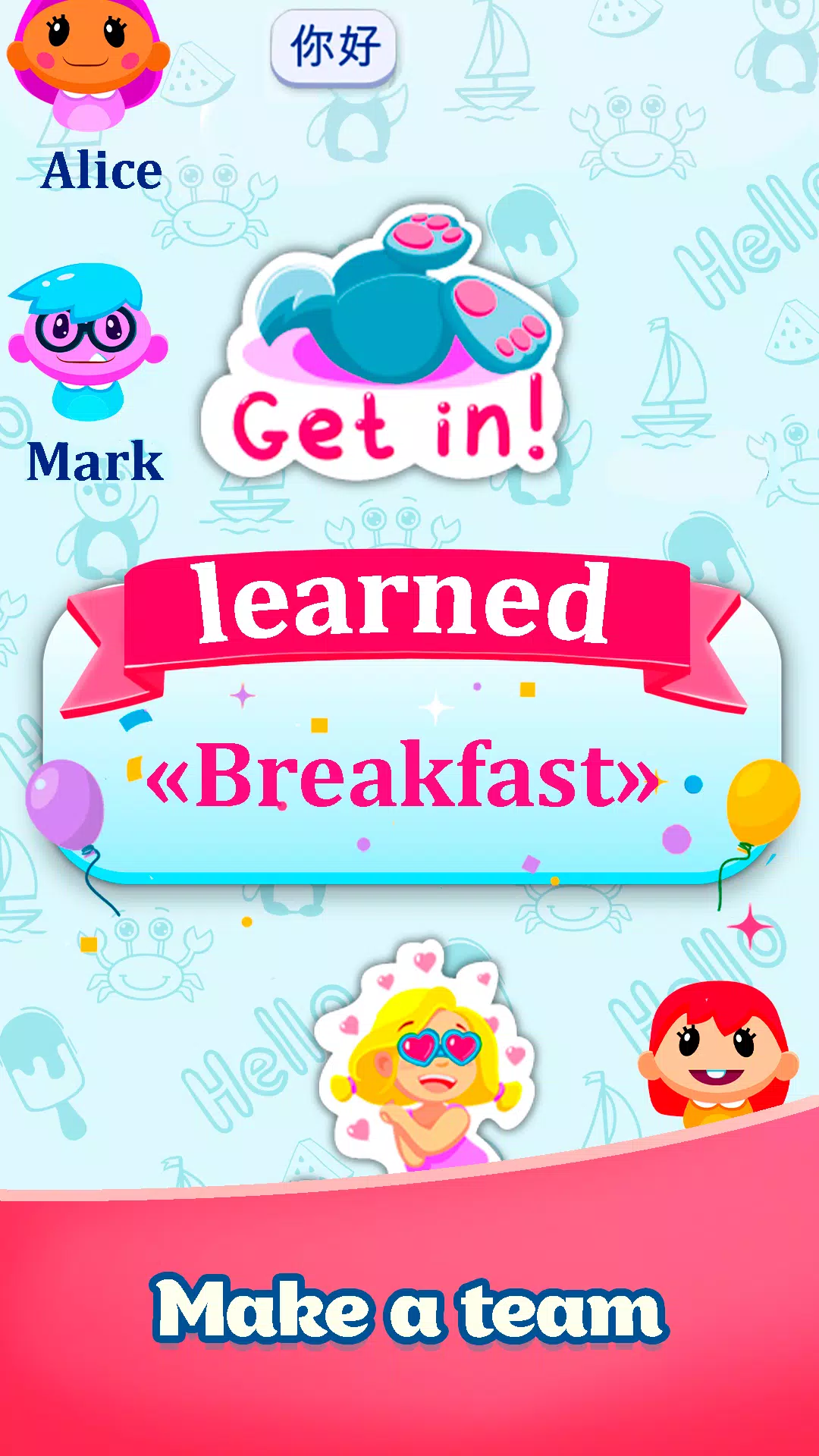
HobbEdu includes multiplayer quizzes that let friends or classmates participate in short, synchronous question rounds where learners answer the same prompts and compare basic results. A team chat feature supports friendly communication between teammates during cooperative activities; these social features are optional and intended to add a shared learning element while keeping sessions concise and focused on vocabulary practice.
Varied lesson formats—flashcards, puzzles, mini-games and reading tasks—give the app natural replay value. Replay is encouraged by daily missions, occasional mix-and-match review rounds and the ability to retry levels for higher accuracy or faster completion times. Because content is broken into short, self-contained lessons, players can return frequently without long setup or sustained attention requirements.
The interface is designed for early readers with clear typography and audio narration on most activities, helping learners who rely on listening support. Settings allow caregivers to adjust sound levels and pace of spoken prompts, and the overall flow minimizes text density so navigation remains straightforward. Onboarding introduces controls gradually so new users can learn by doing with minimal instruction.
HobbEdu is intended for short, consistent practice sessions that fit into daily routines such as car rides, waiting times or short classroom intervals. Lessons are self-contained and resilient to interrupted play; progress is saved so children can pick up where they left off. The app supports multiple learner profiles so siblings or classmates can track separate progress within the same app installation.
Designed specifically for children aged six and up, HobbEdu may not suit toddlers who require different interaction models or content levels. The app focuses on seven widely used languages and therefore does not include less common or regional languages. Caregivers should review settings and social features to ensure the experience matches their supervision preferences.
Overall, HobbEdu offers a structured, playful approach to early language learning that emphasizes short lessons, clear progression and a balance of solo and social activities to sustain practice and build fundamental vocabulary and reading skills.