



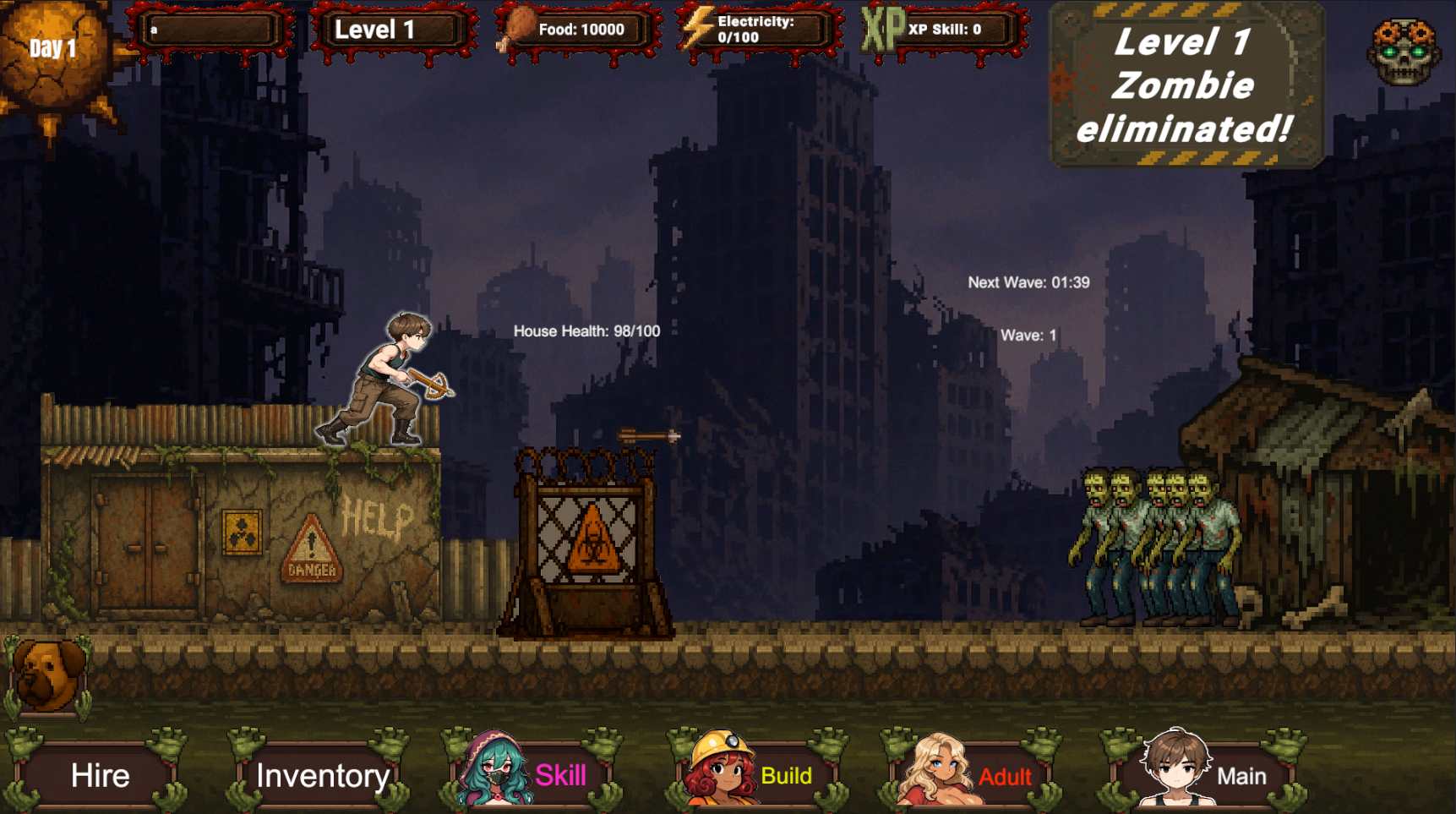
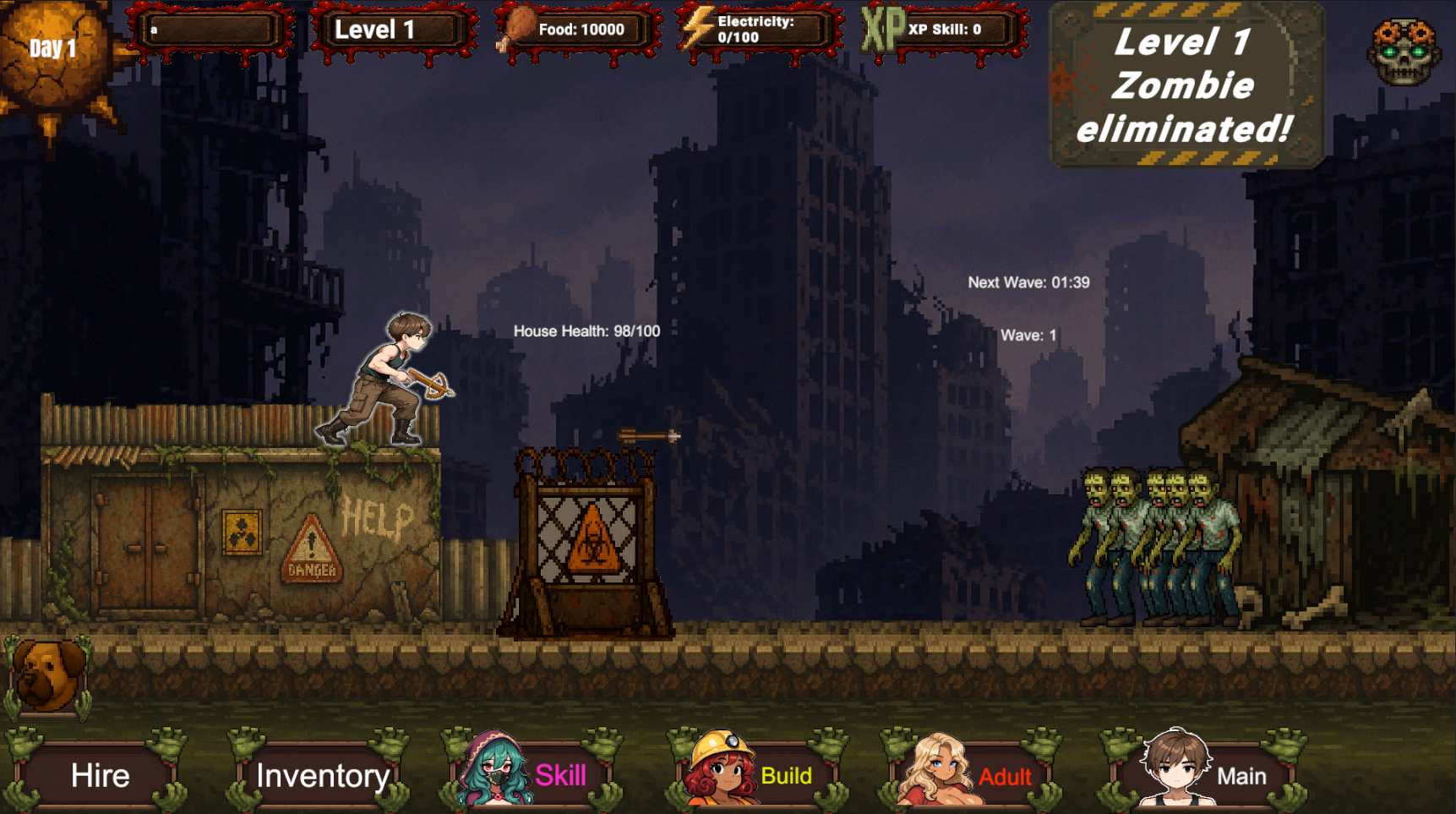
Deadwalk Survival delivers an intense mobile survival game mixing scavenging, base construction, and squad-based combat. Players must manage scarce supplies, upgrade defenses, and explore procedurally altered zones while confronting evolving zombie threats. The game balances strategic planning with fast-paced encounters and persistent progression systems that reward careful decision-making.
Deadwalk Survival positions itself as a hybrid of action shooter and base management. Sessions shift between on-foot raids for resources and quieter moments spent optimizing your outpost. The learning curve is approachable, but meaningful depth appears through equipment upgrades, mission modifiers, and map hazards that force adaptation.
At the heart of the experience is a simple loop: scout, scavenge, return. You send a character or team into dynamic zones to gather fuel, components, and medical supplies. Each expedition consumes time and risk, and choices matter — do you push deeper for rare loot or extract early to preserve your team? Encounters combine cover-based shooting with limited ammo and improvised traps.
Several systems give Deadwalk Survival its personality. Procedural elements keep maps fresh, while a lightweight crafting tree ties scavenged parts into meaningful upgrades. Raider events and timed horde attacks create peaks of tension that contrast with base-building pacing. Controls are tailored for touch screens, emphasizing tap-and-swipe aiming plus quick inventory management.
Squad members fill tactical niches: marksmen provide long-range suppression, engineers boost trap efficiency, and medics sustain your group during prolonged fights. Leveling unlocks passive perks and skill nodes rather than a single linear path, giving players freedom to specialize. Gear rarity affects stat ceilings, and salvaging redundant items feeds the upgrade cycle.
The aesthetic leans gritty with muted palettes and careful lighting that highlights danger zones. Environments are detailed enough to reward exploration without overwhelming mid-range devices. Performance scales across hardware: lower settings reduce shadow quality and particle counts while preserving frame rate, making the title playable on many phones.
New players should prioritize a balanced squad and establish a secure base perimeter. Early investments in storage and power systems reduce bottlenecks as supply accrues. When choosing missions, focus on predictable rewards until you understand enemy patterns and the risk-reward of deeper dives.
Menus consolidate crafting, inventory, and mission planning under a few intuitive tabs. On-screen prompts guide newcomers without hogging space; advanced players can rely on quick-swap buttons and shortcuts. The control scheme aims to be forgiving during tense firefights, with aim-assist options available.
Deadwalk Survival supports repeat playthroughs through daily challenges, rotating events, and emergent scenarios spawned by player choices. Those who enjoy tuning builds and optimizing routes will find long-term goals to pursue. Leaderboards and limited-time competitions add a light competitive layer.
Begin by completing the tutorial run to unlock basic crafting and the safehouse. Focus on establishing food and power production, recruit a second specialist as soon as possible, and tackle lower-difficulty missions to gather upgrade materials. Regularly check event tabs for high-value missions that match your squad strength.
Deadwalk Survival strikes a satisfying balance between tactical decision-making and adrenaline-fueled combat. Its layered systems reward thoughtful play but remain accessible enough for casual sessions, offering both short-term thrills and long-term progression to keep players invested.