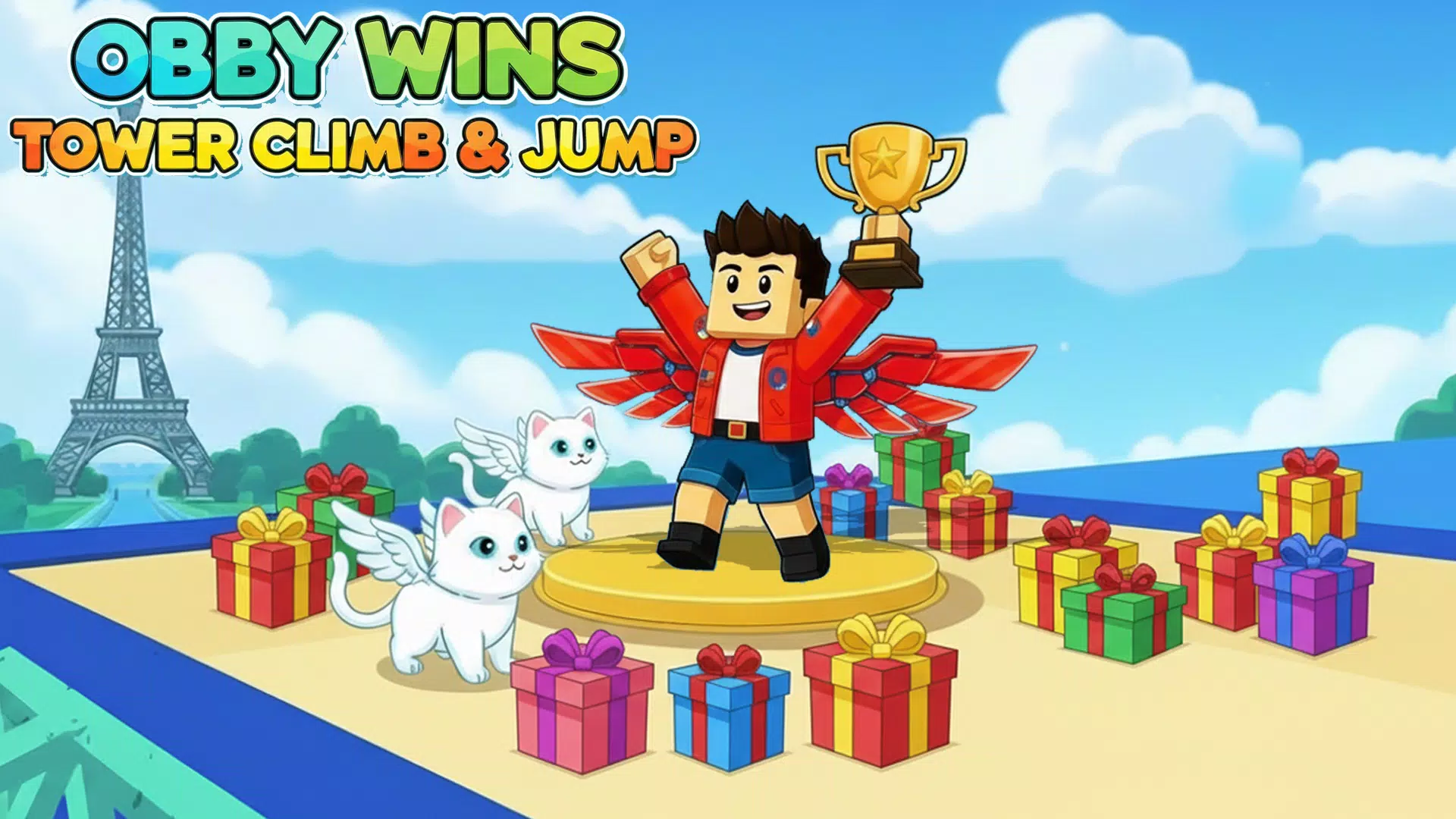
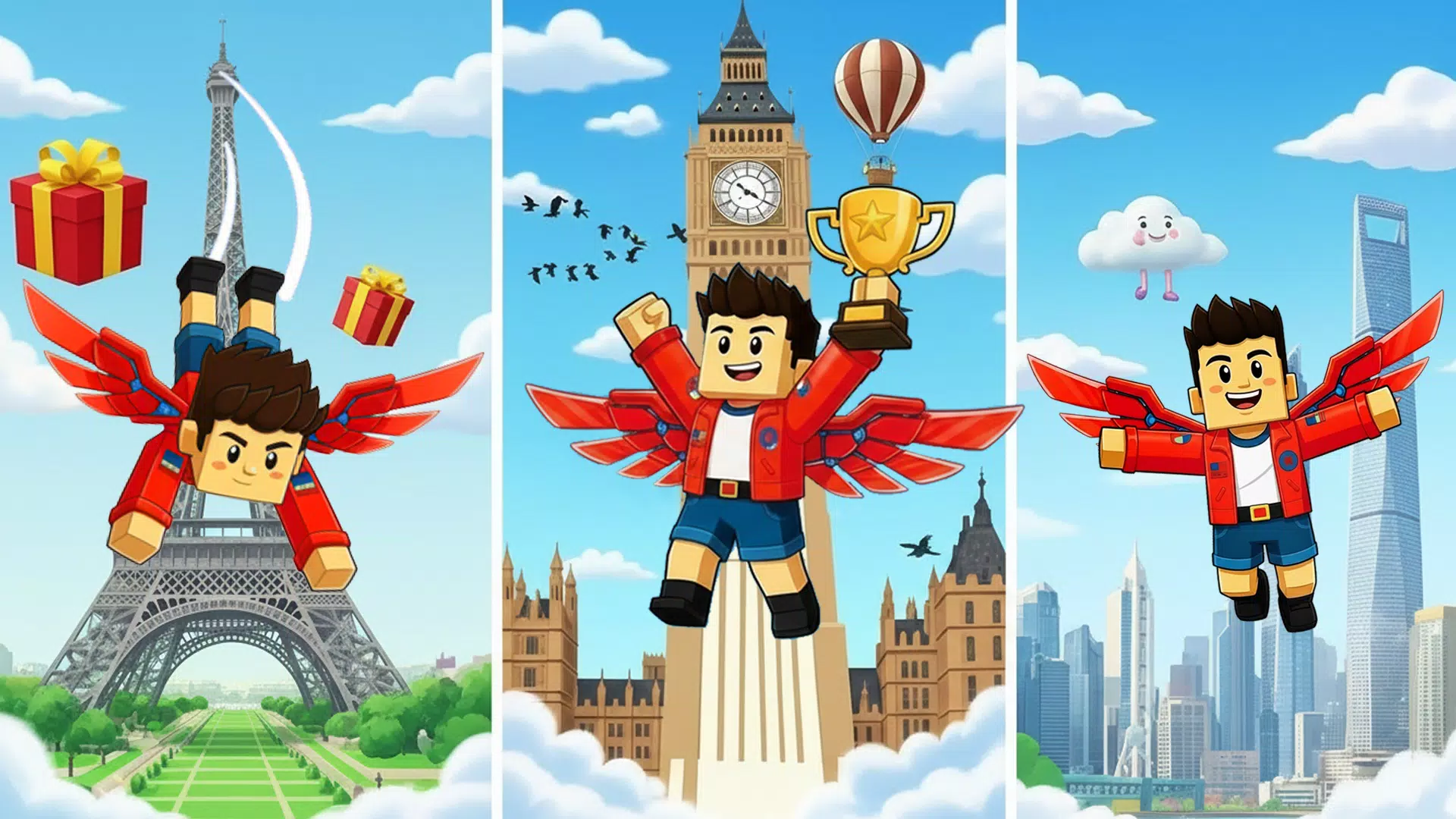
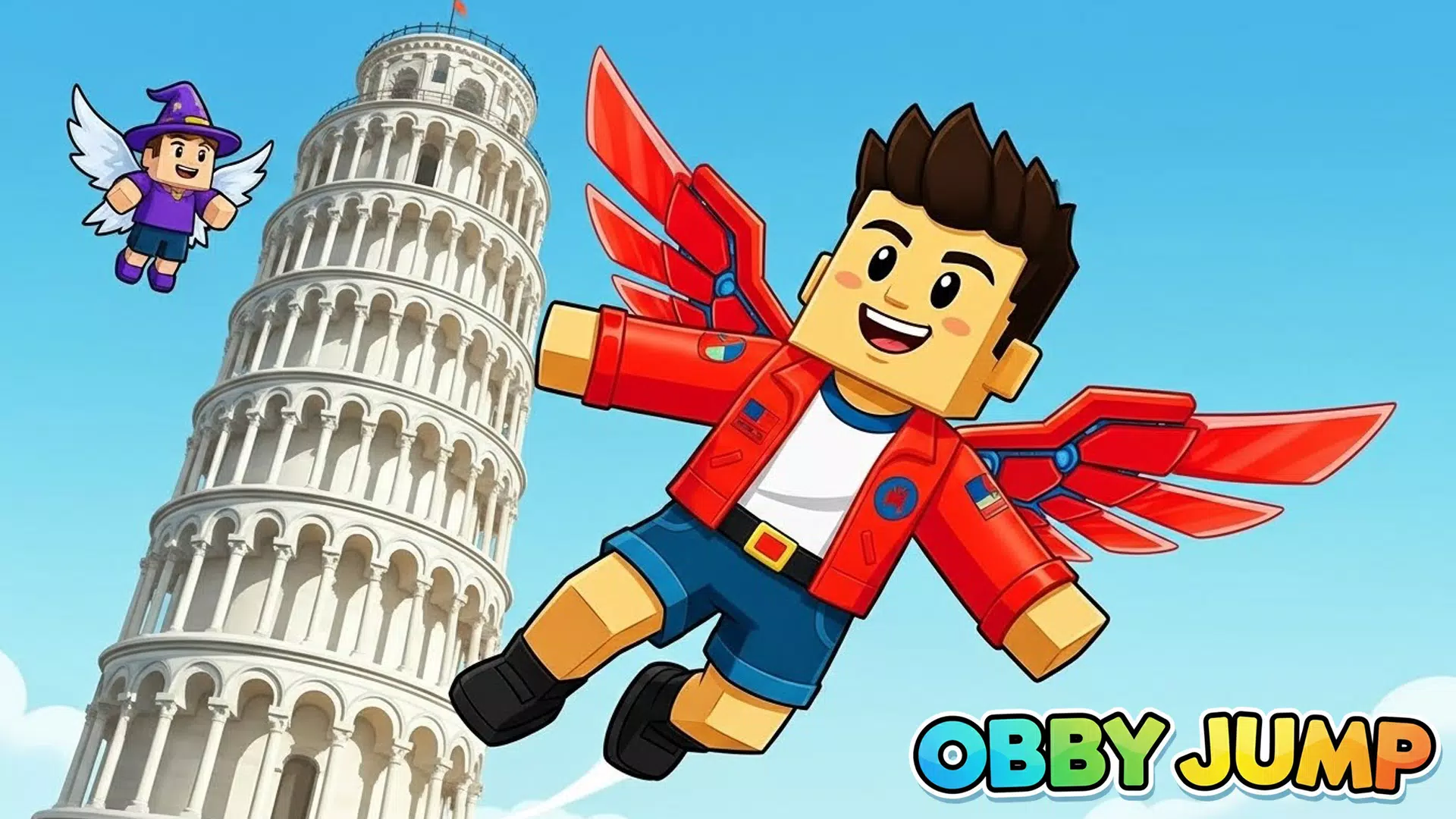
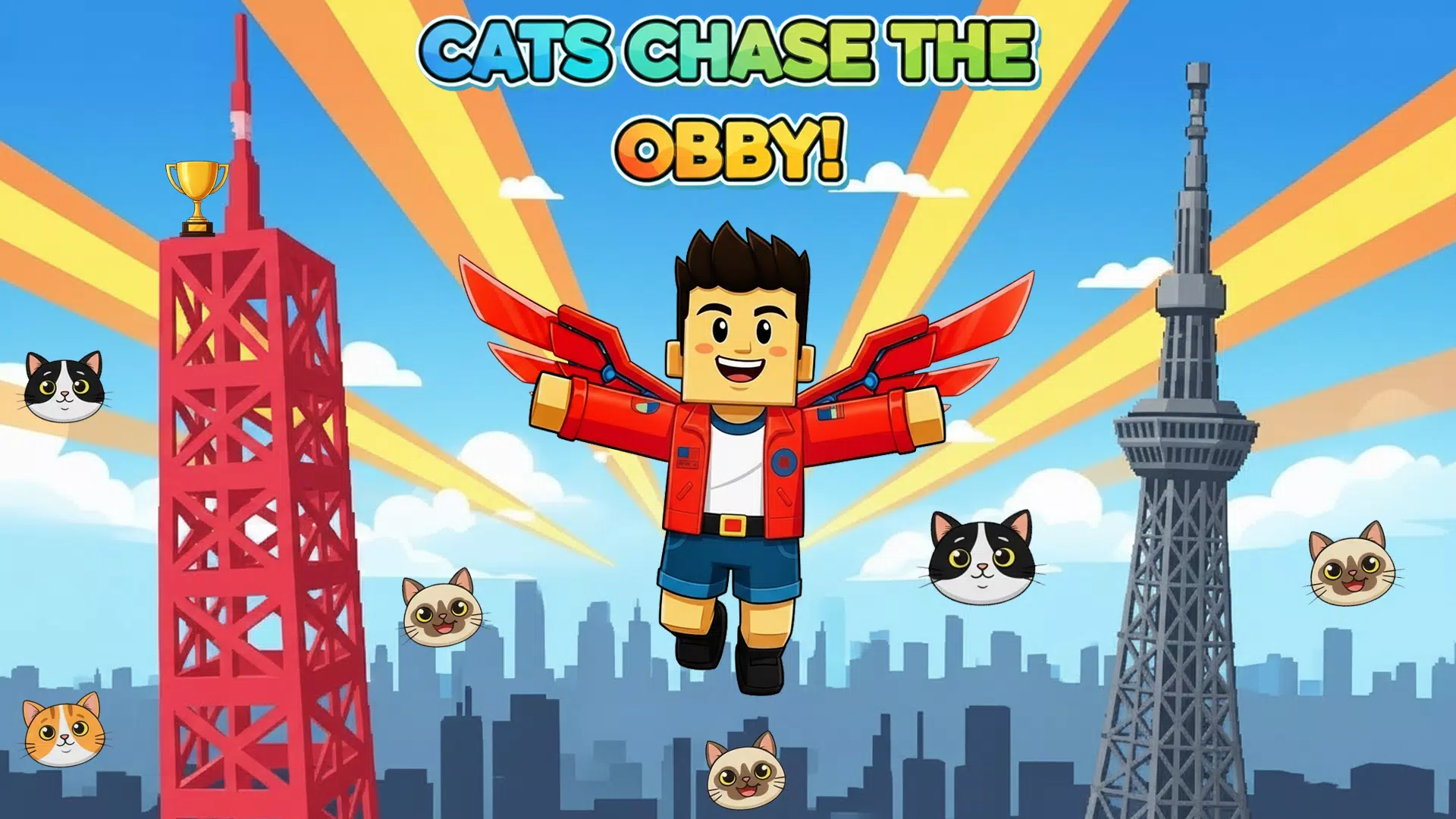
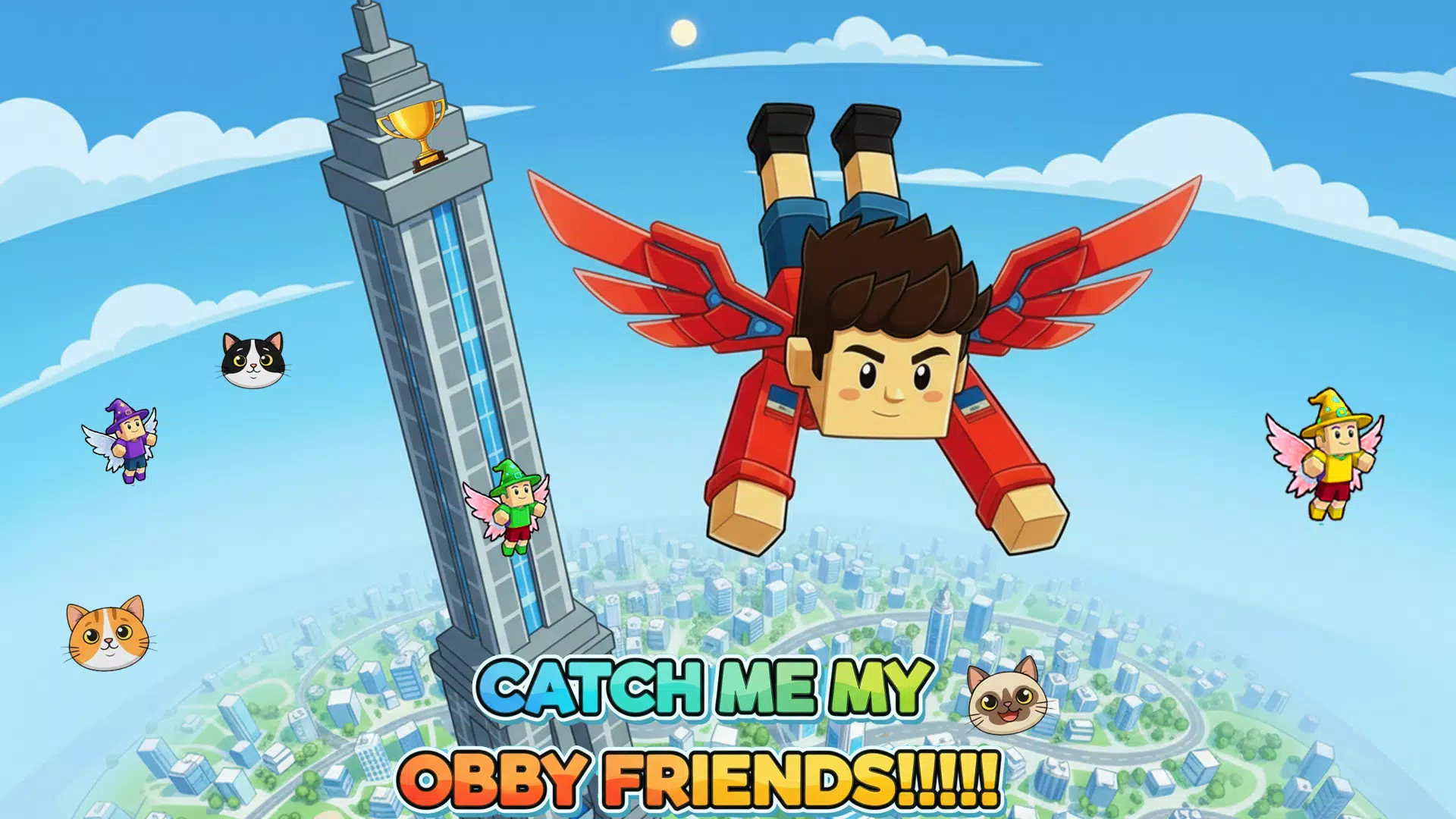
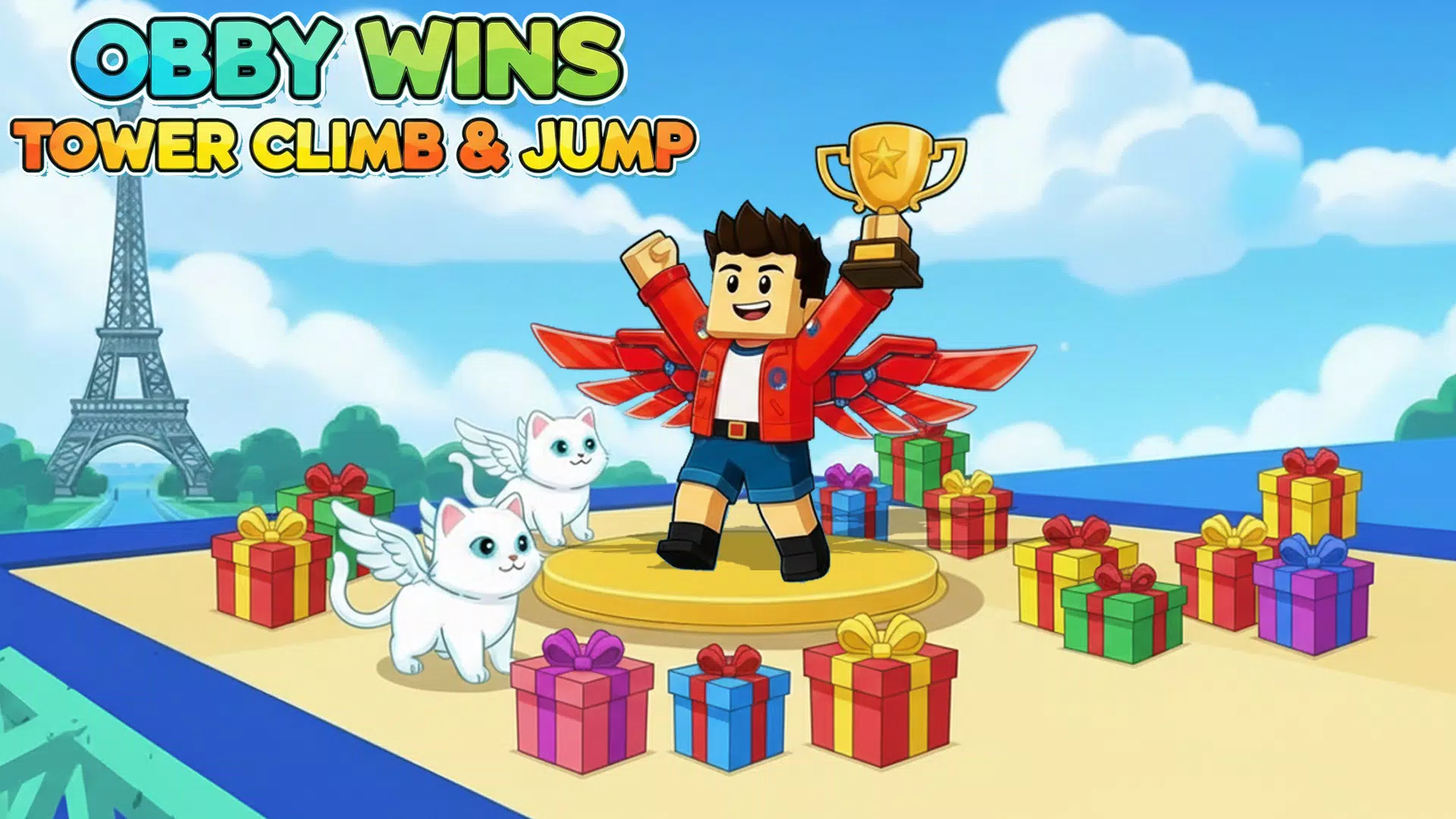
Obby Climb Jump Tower Game places players in compact, skill-based vertical platforming runs where timing, momentum, and careful decision-making determine how high you can climb. This editor overview describes what to expect from the core arcade loops, control options, progression, and the visual and audio design so you can decide if the game fits your playstyle without overselling features.
The central loop of Obby Climb Jump Tower Game is straightforward yet deep: ascend stacked obstacle courses by jumping, dodging hazards, and managing momentum. Levels use moving platforms, disappearing tiles, rotating beams, and narrow jump windows to create short bursts of challenge that reward pattern recognition and clean inputs. Physics are tuned so run speed, jump timing, and slight directional adjustments affect landing precision; these interactions let players refine technique and discover faster routes through practice rather than relying on upgrades.
Towers are built as a series of short segments that escalate in difficulty. Early segments introduce a handful of obstacle types and teach rhythm, while later sections combine those elements into tighter sequences that test both reflexes and patience. Modes include time attack variants focused on fastest completion, endurance runs that test how long you can climb, and asynchronous leaderboard-style races where you compare performance against stored ghost runs. Checkpoints and milestone challenges break up long runs so players can approach tougher sections in manageable chunks.
Progression emphasizes repeatable goals rather than power creep. Players earn in-game currency from runs and milestone clears to unlock cosmetic skins, emotes, and avatar trail effects that personalize appearance without altering gameplay balance. Seasonal towers and limited-time events rotate cosmetic themes and present unique level layouts to keep long-term goals varied. Cosmetic systems are designed to give small, meaningful rewards for consistent play and to highlight player identity on leaderboards and replay shares.
Controls are intentionally minimal to suit quick sessions: a single tap for jump with optional hold-to-extend mechanics covers the majority of movement, while alternative input schemes such as swipe adjustments or tilt sensitivity may be available for players who prefer different styles. The interface concentrates on clarity with large touch targets and simple menus, and camera behavior aims to keep the player centered so you can focus on upcoming obstacles. These design choices reduce frustration on smaller screens and help maintain predictable physics across a range of devices.
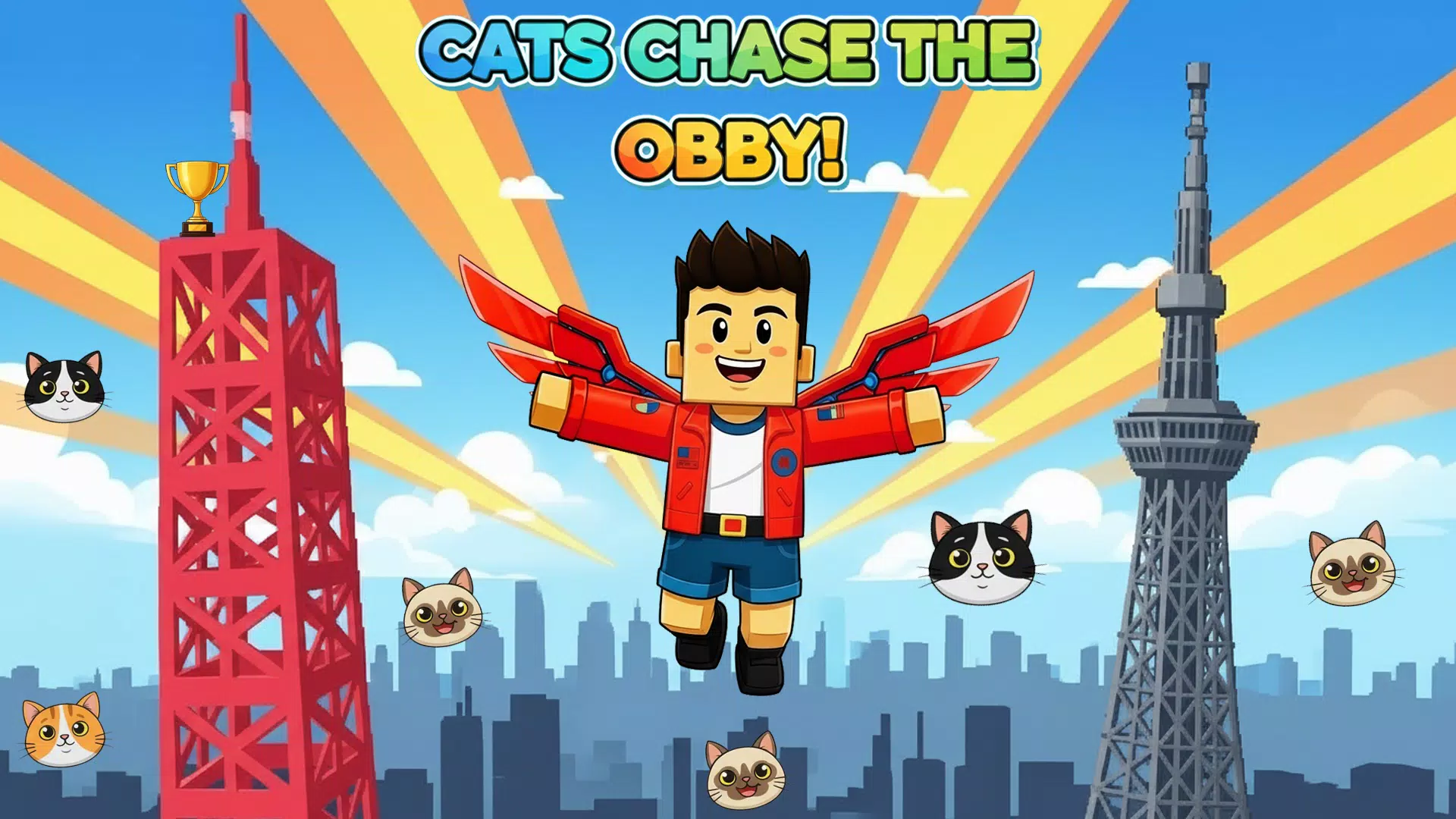
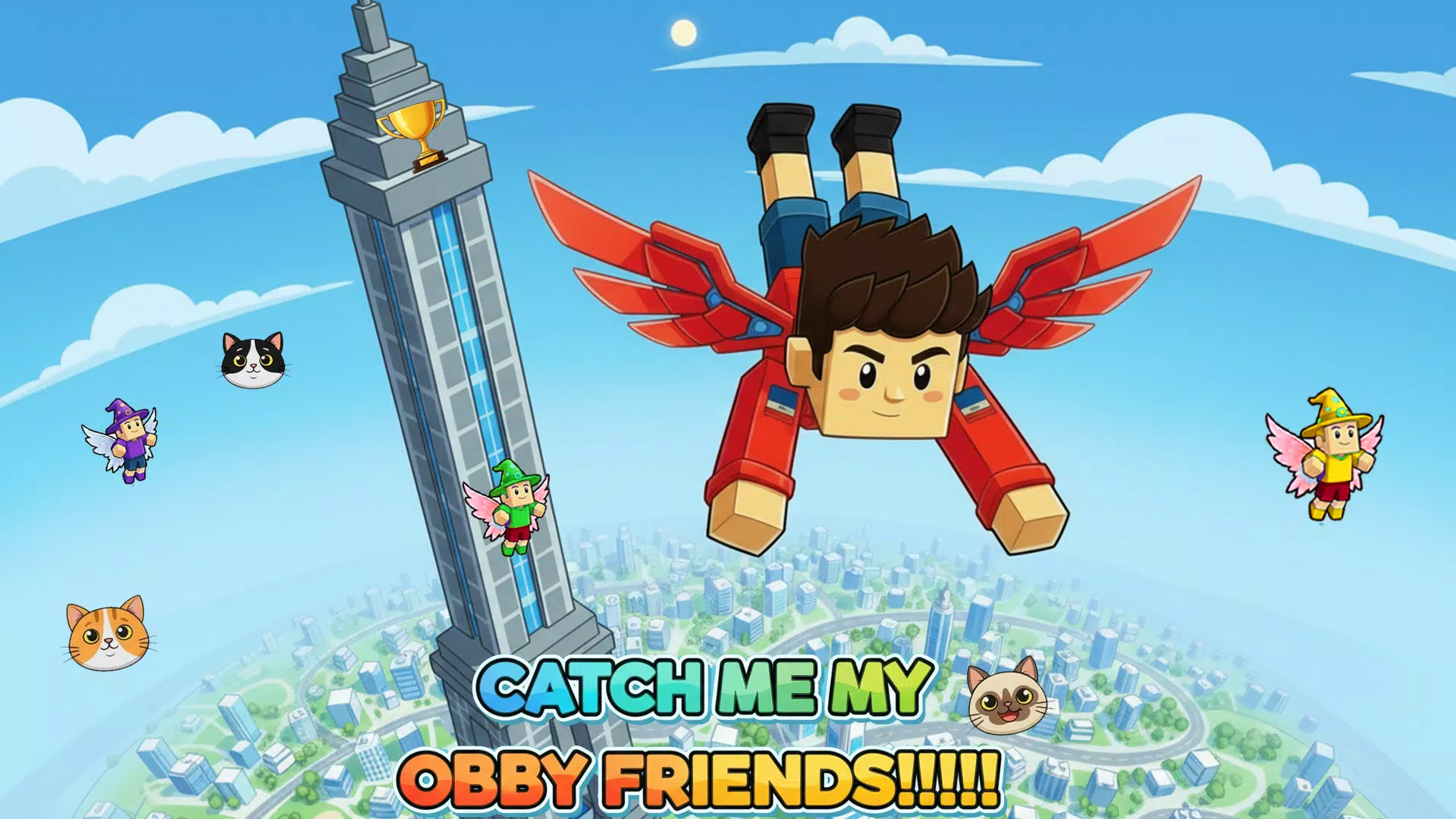
Visually the game favors bright, high-contrast palettes and readable shapes so hazards are immediately identifiable during fast runs. Distinct colors and motion cues mark danger zones, safe platforms, and interactive elements so players can make split-second decisions. Sound design uses concise cues—jump, hazard warning, and checkpoint sounds—to reinforce timing and to give feedback without overwhelming gameplay. Together these elements support rapid, repeatable runs while minimizing motion sickness or visual confusion.
Replayability comes from short, demanding runs and layered goals: personal bests, leaderboard placement, cosmetic unlocks, and event-specific milestones. Asynchronous features such as ghost replays and leaderboards let players study top runs and adapt routes, turning single-player practice into a competitive loop without requiring real-time matches. Replay sharing and saved runs are useful for learning and for friendly competition among acquaintances who want to compare approaches to tricky tower segments.
New players benefit from focusing on rhythm in the early tower segments, using checkpoints as psychological milestones, and experimenting with control options to find a setup that feels precise on their device. Small, consistent improvements—cleaning up a single tricky landing or shaving fractions of a second from a segment—compound on leaderboards. Because the game emphasizes skill over upgrades, investing time in learning obstacle patterns will usually pay off more than chasing consumable power-ups.
The experience is built for short, repeatable play sessions with responsive touch handling and modest memory needs so that runs remain smooth on mid-range devices. Developers tune frame stability and collision behavior carefully because predictable physics are central to fair challenge and player improvement. If device performance is a concern, lowering graphical options where available can improve frame consistency and input responsiveness.
Obby Climb Jump Tower Game delivers a compact arcade climbing experience that combines accessible controls, readable visuals, and a progression loop centered on cosmetics and leaderboard improvement. It rewards practice, offers meaningful customization without changing balance, and provides multiple short modes that suit on-the-go play and focused improvement over time.