Stuck in Sutton drops you into a small, characterful town where you have only seven days to raise the money needed to attend a sister’s wedding. Stuck in Sutton is a text-driven, choice-rich interactive story that mixes time pressure, resource juggling and branching narrative: the jobs you take, the hours you spend and the people you befriend shape not only your wallet but the opportunities available in later days. The opening scenes place clear stakes and invite repeated attempts to find better routes through the week-long challenge.
The core gameplay loop emphasizes decision quality under a daily time budget. Each in-game hour you choose actions that affect cash, fatigue, stress and reputation; some work is low-risk and steady while other gigs are higher-paying but carry randomized penalties. Choices are presented as readable text prompts with immediate outcomes and many cards have delayed consequences that ripple into future encounters. Reputation and notoriety influence who will offer work and which story branches unlock, and a modest survival layer—managing sleep and stress—keeps planning meaningful across the seven-day cycle.
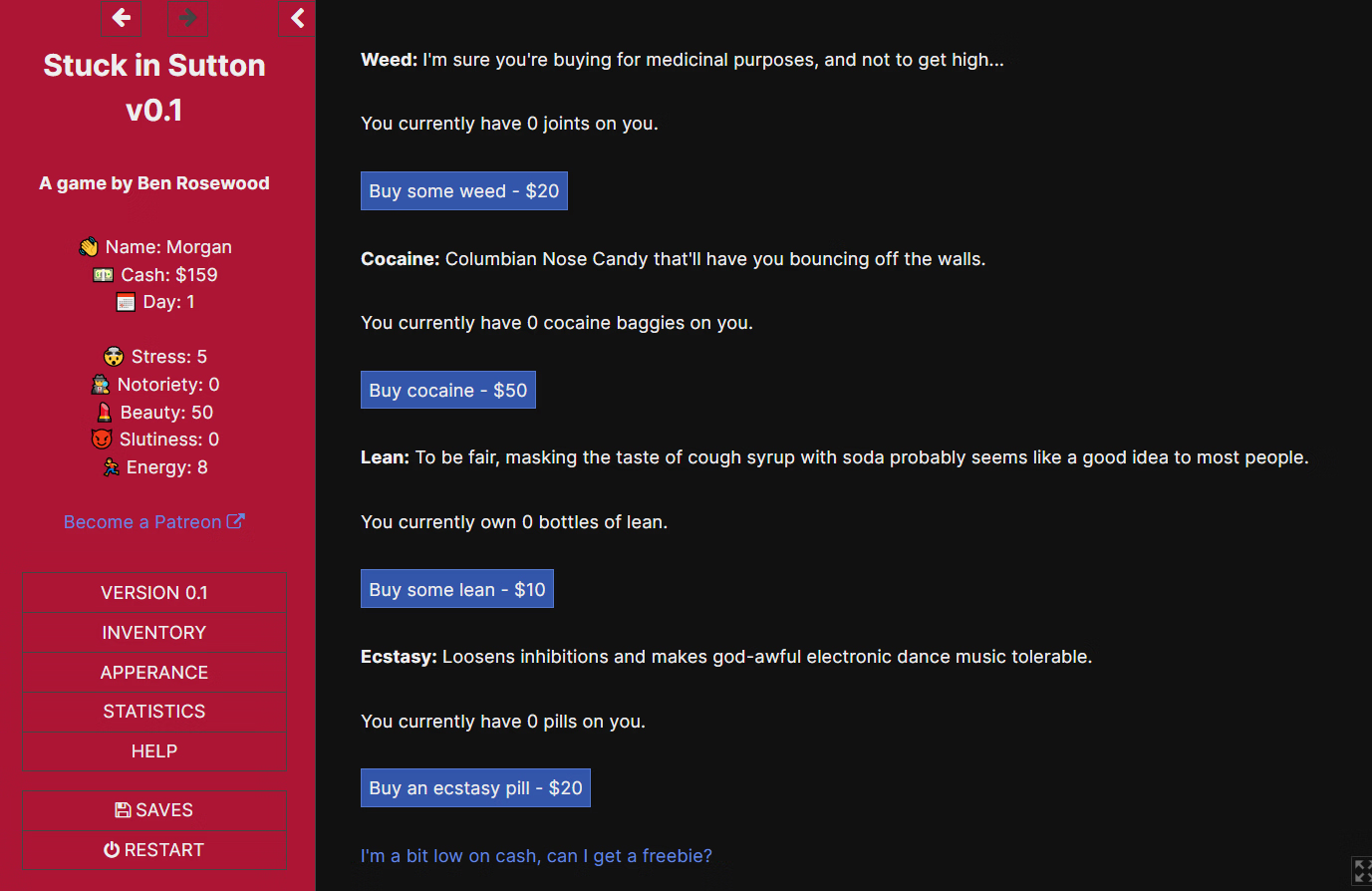
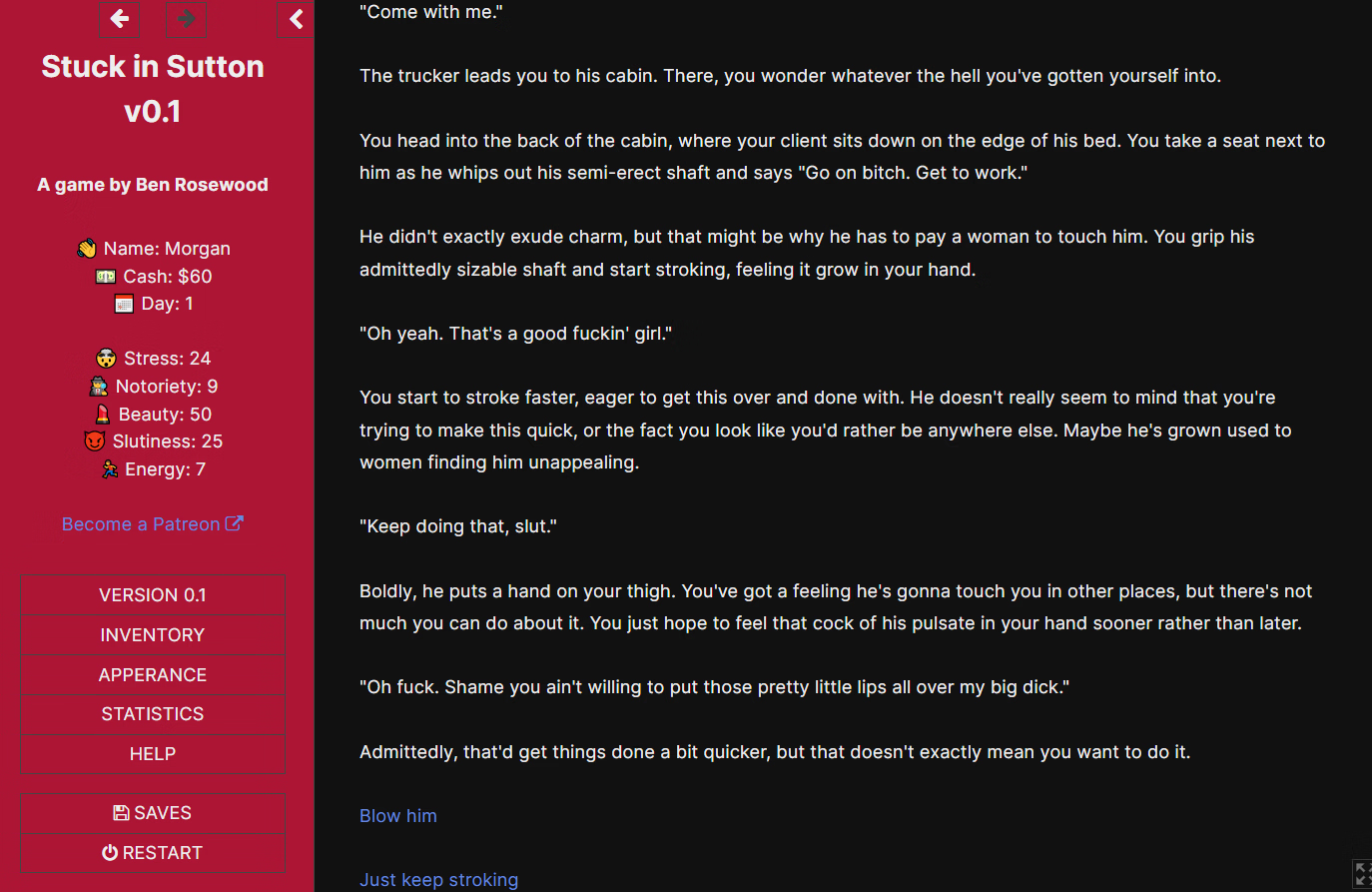
Designed for mobile convenience, the interface centers on simple tap interactions and an inventory panel that applies items instantly when used. Dialogue options and scene actions appear as large, tappable buttons and persistent status indicators show current funds, time remaining and key conditions like fatigue or stress. Recent updates streamline inventory flow so using restorative items or equipment is faster, and temporary effects such as drunkenness or sluggishness are displayed more clearly so you can weigh short-term gains against longer-term consequences.
Progress in Stuck in Sutton is measured by money, unlocked narrative content and the relationships you build around town. The strict seven-day limit forces trade-offs: do you work long hours to maximize income, rest to avoid penalties, or spend time cultivating allies who open new opportunities? Multiple job families—from hospitality and retail shifts to informal gigs with unpredictable outcomes—give varied risk-reward choices. Stress, reputation and acute penalties can produce setbacks or even an abrupt end to a run if neglected, so deliberate planning and occasional rest are often the most successful strategies.
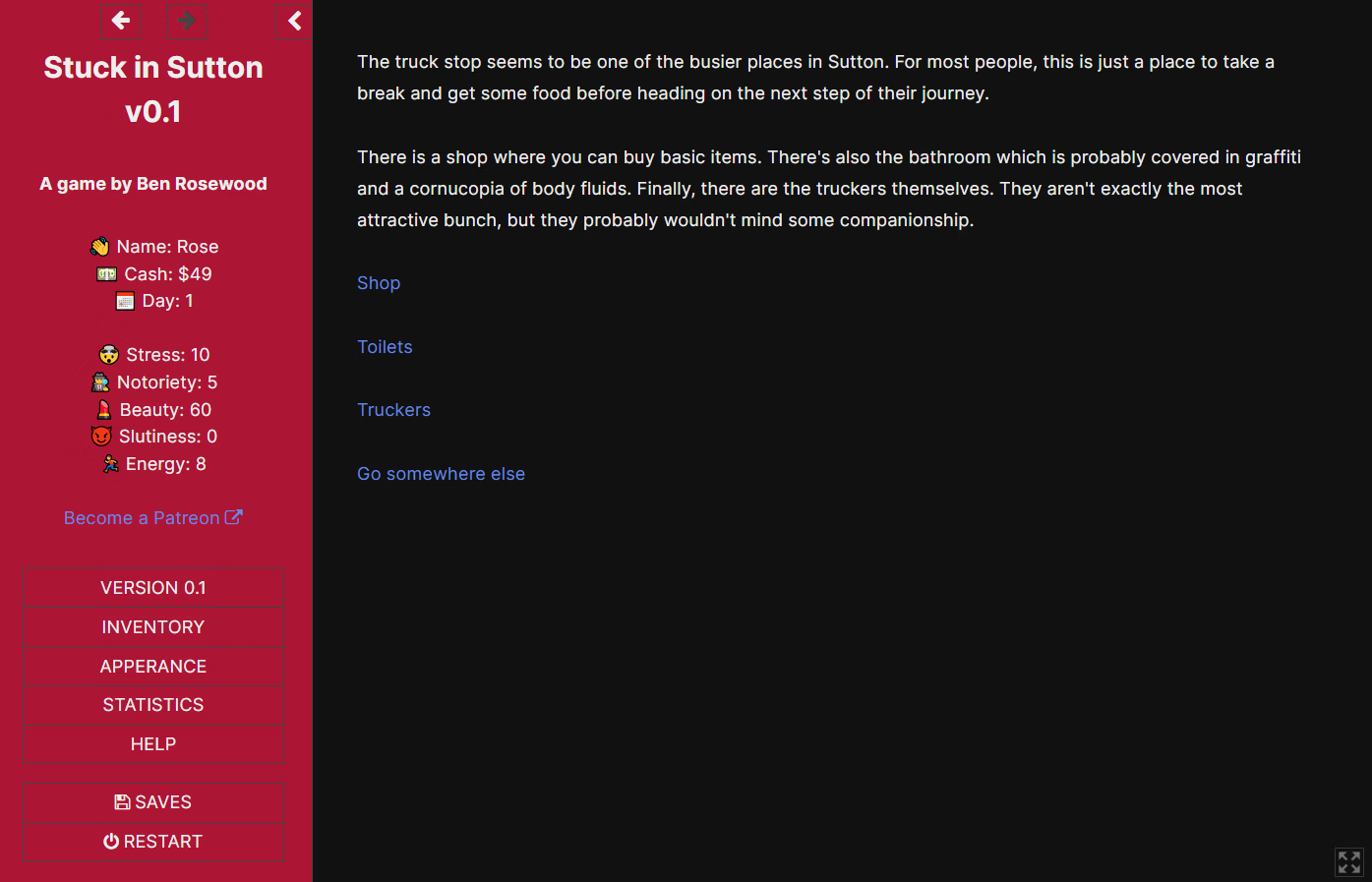
The game leans on writing rather than flashy graphics, pairing a minimalist visual style with small illustrations and UI accents that highlight key scenes. Town locations unlock as you explore and include places like bars, a church, a used car lot, a truck stop and an elderly neighbor’s home; these settings host character-driven events such as barroom disputes, unexpected discoveries and unique personal encounters. The restrained art complements the narrative focus, letting the writing carry tone and atmosphere while visuals support player orientation and key moments.
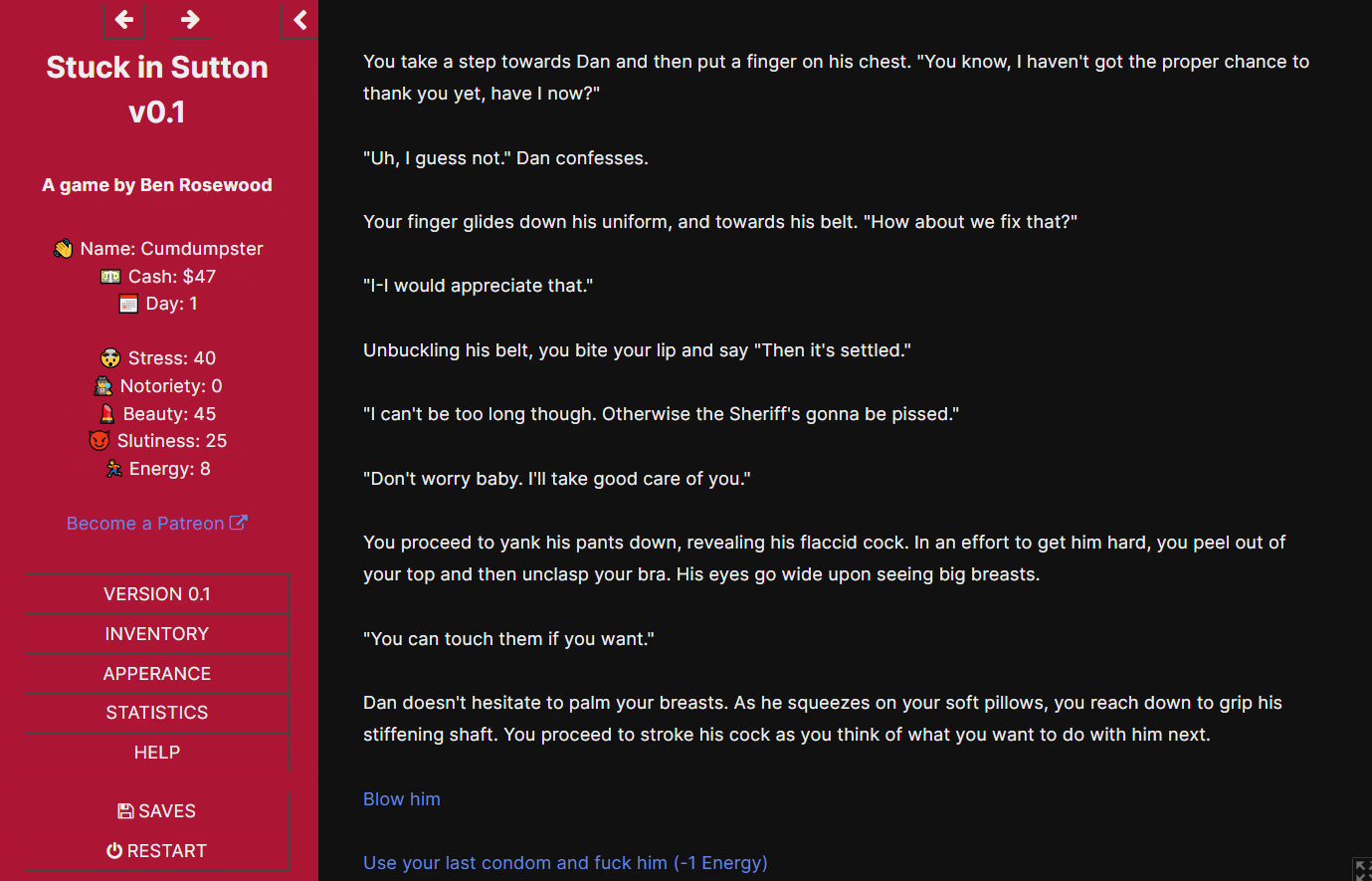
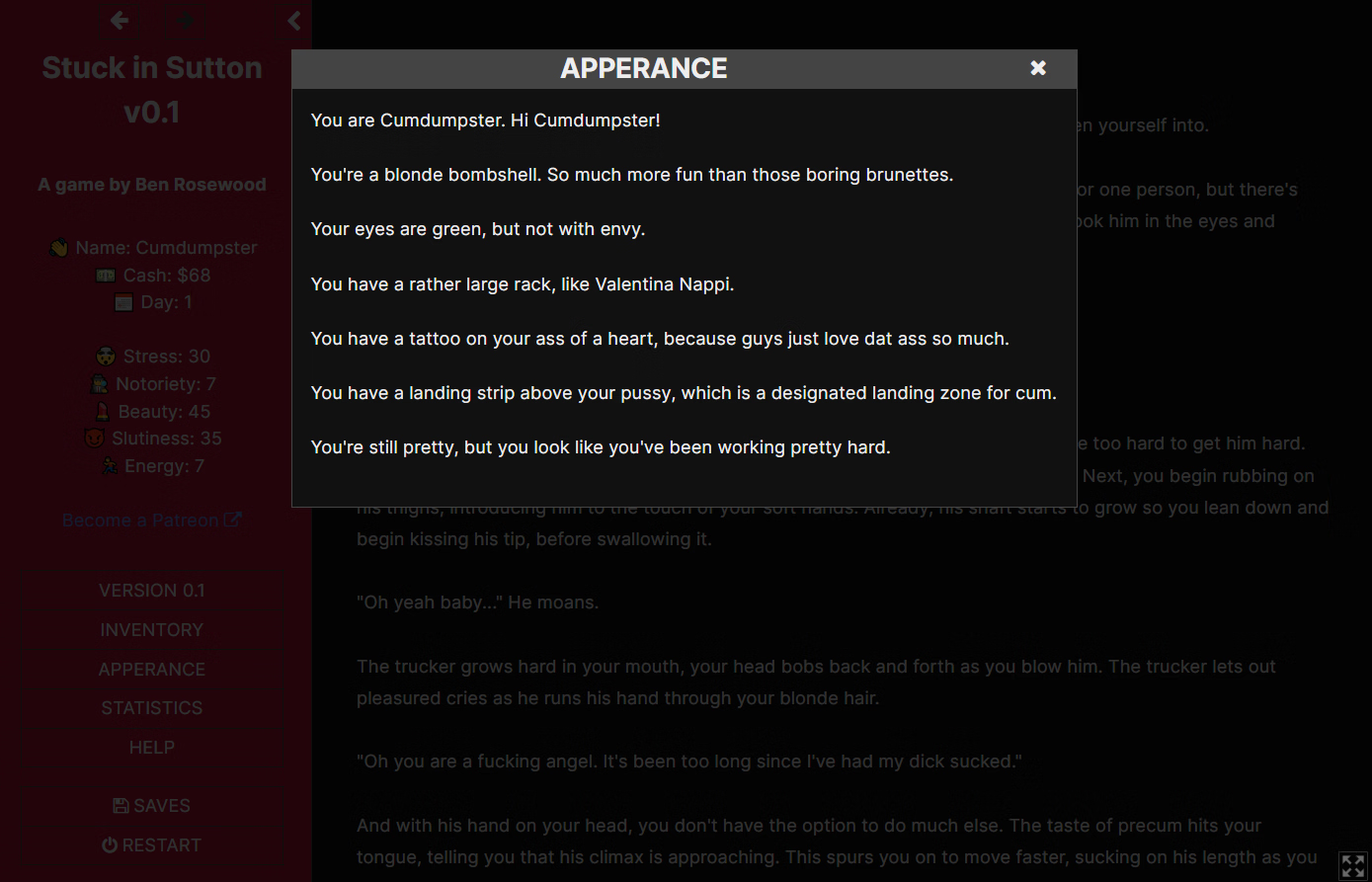
Character options provide modest personalization through hairstyles, clothing, tattoos and other cosmetic toggles that influence how NPCs perceive you. The writing includes mature themes and some adult-oriented narrative branches, all described in non-graphic terms and clearly labeled so players can decide which paths to follow. Unlockable items and optional side quests reward exploration and experimentation, encouraging you to try different approaches across multiple runs without introducing explicit or gratuitous content.
Replayability is central: dozens of branching outcomes and multiple endings reward varied priorities and experimental strategies. Randomized job results and more than twenty environmental events keep each attempt fresh, and a system of small persistent unlocks encourages returning to the seven-day puzzle with new tools and options. Because decisions have delayed effects, early choices can open or close narrative lanes in later days, which makes replaying with a different focus—money, relationships or reputation—feel substantially different.
The writing-forward format makes the game approachable for players who prefer narrative and choice-based gameplay over reflex-driven controls. Stuck in Sutton supports offline play after download so you can complete days without an active network connection, and interface refinements improve readability and streamline common actions. Short sessions and full runs are both well supported by clear status feedback that explains why penalties occurred or what triggered a reset, helping players learn and adapt between attempts.
Recent updates add early-day content including new locations such as a church, a used car lot and an elderly neighbor’s home, additional minor and major characters, expanded conversations and fresh narrative branches and quests. Cosmetic additions like tattoos and new hair colors join UI tweaks that make item use and status displays more intuitive. Player feedback highlights the tight seven-day money challenge as a strong foundation and appreciates how unlockable rewards and branching scenes increase motivation to replay Stuck in Sutton with different approaches.