

JISR-جسر is a comprehensive healthcare platform designed to simplify and organize medical care for people managing cancer and complex chronic conditions. In the first paragraph: the app JISR-جسر helps patients and caregivers centralize appointments, test results and prescriptions while providing straightforward tools to book consultations, share records with a care team, and reduce administrative burden. The introduction emphasizes convenience and privacy without replacing in-person clinical care.
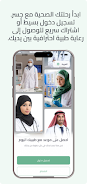
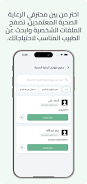
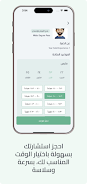
The app organizes common tasks into clear workflows: appointment booking, document capture and sharing, and an at-a-glance treatment timeline. Users can view provider availability, choose appointment types, and confirm or reschedule with a few taps; the calendar view and simple filters make finding available times fast. Medical reports and prescriptions can be uploaded from device storage or captured with the camera, then attached to appointments or shared directly with designated providers. Notifications, appointment confirmations, and configurable reminders help patients stay on schedule and reduce missed visits.
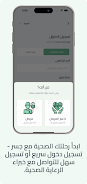
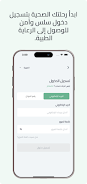
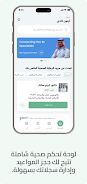
Navigation focuses on minimal steps and predictable controls: a primary dashboard shows upcoming appointments and recent uploads, a calendar provides day/week views, and a record library groups documents by type and date. Touch interactions are kept simple—tap to open, long-press for quick actions, and one-tap sharing to a provider or caregiver. Search and filter controls let users find tests or prescriptions quickly, while in-app prompts guide first-time users through profile setup and permissions. The design balances clarity with functional depth so both patients and caregivers can manage care without frustration.
JISR-جسر helps users follow a treatment plan by displaying progression milestones and follow-up tasks in a single timeline. Patients can mark visits as completed, add notes on side effects or responses to treatment, and track upcoming tests or medication refills. Customizable profiles allow preferences for appointment reminders, notification frequency and preferred communication channels, while provider notes and uploaded reports populate a shared clinical picture that makes each consultation more efficient. These progression tools are intended to support long-term follow-up and coordinated care rather than to replace clinical judgement.
Security and privacy are central to how the app operates: JISR-جسر uses encrypted data handling for stored records and data in transit, and it provides permission controls so patients explicitly decide who can access specific documents. Local protections such as device-level authentication and optional passcodes add another layer of safety for sensitive information. Accessibility options include adjustable font sizes, high-contrast themes, and support for screen readers to accommodate users with visual or dexterity challenges, and the interface aims for straightforward language that is easier to understand across different literacy levels.
To reduce disruption when connectivity is limited, the app supports offline viewing of previously downloaded reports and appointment details; however, booking new appointments, uploading new documents and sharing records require an internet connection. Patients should not use the app as a substitute for emergency care—urgent symptoms still require immediate clinical attention. The app is intended to complement in-person visits by reducing travel and administrative work, consolidating information in one place and improving communication with the care team.
For caregivers and family members, permissioned access allows coordinated support while preserving patient privacy. Clinics and providers using the platform can prepare for consultations with shared documents, which can shorten waiting-room time and focus visits on clinical decision-making. Regular backups and exporting of important documents to personal storage are supported where allowed, so users can retain copies outside the app when needed. Overall, JISR-جسر is built to streamline routine tasks, improve record organization and make ongoing care easier to manage for both patients and care teams while maintaining attention to privacy and accessibility.