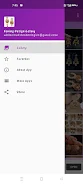
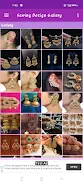


Earring Design Gallery is a focused visual reference app for jewelry designers, buyers, and enthusiasts that presents hundreds of earring concepts from minimalist studs to ornate chandeliers. The app name appears here to make searching straightforward, and the gallery is designed so you can quickly save, compare, and export design references for production or inspiration. Whether you use it at a workbench, in a studio meeting, or on the move, Earring Design Gallery aims to streamline visual decision making while keeping controls simple and the interface image-first.
The app groups images into thematic galleries and tag-driven collections so you can explore by style, era, or construction detail rather than scrolling an undifferentiated feed. Search and filter tools let you narrow results by silhouette, metal type, gemstone, approximate dimensions, or historical period. Thumbnails are optimized for fast browsing while high-resolution source images load progressively so zooming reveals prong work, backing types, and surface finishes without a long wait on mid-range devices.
The layout emphasizes practical tools: a comparison mode lets you align two designs side-by-side to evaluate proportions and material choices; a favorites system stores selected items in private collections; and a simple export facility produces clean reference sheets in PDF format for client reviews or production notes. Item detail pages include multiple photos, a short design note, and metadata fields such as estimated size and suggested materials to help you make informed choices during concept development or technical planning.
Controls are gesture-driven and intuitive. Swipe gestures move between items, pinch-to-zoom reveals macro detail, and long-press opens contextual options like add to favorites, annotate, or export. The search bar accepts tags and natural terms, and the filter panel provides multi-select options so you can combine criteria like hoop diameter plus gemstone shape. These controls reduce friction when compiling a set of references for a design brief.
Instead of a game-style progression, the app uses a thoughtful organizational progression to support workflows: you build project folders, name them, and move references through stages such as research, refinement, and handoff. Reordering images, adding brief annotations, and saving curated boards functions as a lightweight progression system that keeps your work moving from inspiration to actionable reference. Customization focuses on workspace organization rather than visual themes — create folders, tag items with studio-specific labels, and export only the visuals and metadata your manufacturer needs.
The visual design favors clean, image-forward pages with understated iconography so the photographs remain the focal point. Galleries act as the app’s levels: each gallery is a curated collection with internal categorization for quick jumps between everyday studs, bridal sets, statement pieces, and historically influenced designs. This structure helps users surface relevant references quickly and return to familiar categories as trends evolve.
Replay value comes from regularly updated galleries and the habit of building and refining personal libraries. Offline collections let you download selected galleries when you expect limited connectivity, and exported PDFs provide a portable package for client meetings or factory visits. Sharing is intentionally simple: export options produce lightweight files and images designed to be useful in production contexts rather than ornamental presentations.
Accessibility features are built around clarity and touch ergonomics: readable labels, scalable text sizes, and consistent icon placement shorten the learning curve. The app supports progressive image loading to reduce wait times and offers clear affordances for touch controls so users with different dexterity levels can navigate thumbnails, zoom into details, and use comparison views reliably. Notifications and cloud sync are optional to respect privacy and studio workflows.
Start by searching tags like drop, hoop, or vintage, add promising pieces to a project folder, annotate construction notes, and use comparison mode to finalize proportions before passing a reference sheet to a CAD artist or bench jeweler. Account creation is optional but enables cloud-backed syncing of collections across devices, which is useful for teams. For quick reference and efficient handoffs, Earring Design Gallery helps professionals and hobbyists keep visual research organized and actionable.