
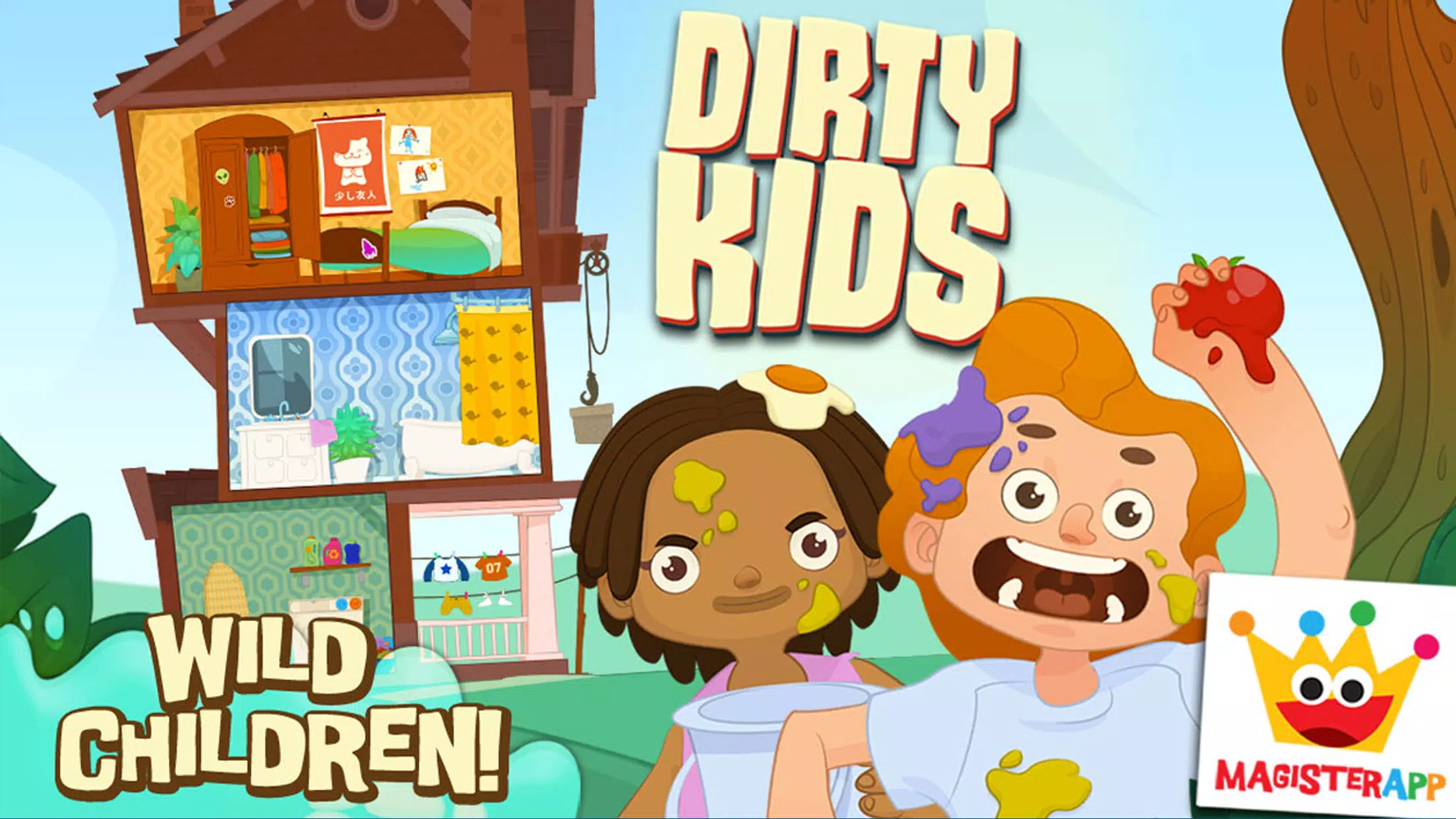
Dirty Kids is a fast-paced mobile arena brawler that emphasizes short, chaotic multiplayer rounds, simple touch controls, and playful interactions with the environment. This introduction highlights the core systems, visual style, and user-focused options so you know what to expect before installing Dirty Kids on your device: quick matches, approachable mechanics, and cosmetic progression that keeps sessions feeling fresh.
The core loop centers on compact rounds designed to fit into short play sessions. Matches place a small group of players into themed arenas where hazards, movable objects, and tactical props create shifting priorities. Success relies on reading the map, reacting to environmental changes, and choosing when to engage or evade. Because individual rounds are brief, the pace rewards experimentation and teaches players through repeated, low-stakes encounters rather than long grinding cycles.
Controls are built to be immediately accessible: a limited set of context-sensitive inputs covers movement, dashing, grabbing, and interacting with items. Physics-driven collisions make momentum important, so positioning and timing matter when you push, throw, or dodge. On-screen controls are customizable—button size and placement can be adjusted, and touch sensitivity options help reduce accidental inputs. These settings let players tailor the experience to different hand sizes and device layouts without changing underlying mechanics.
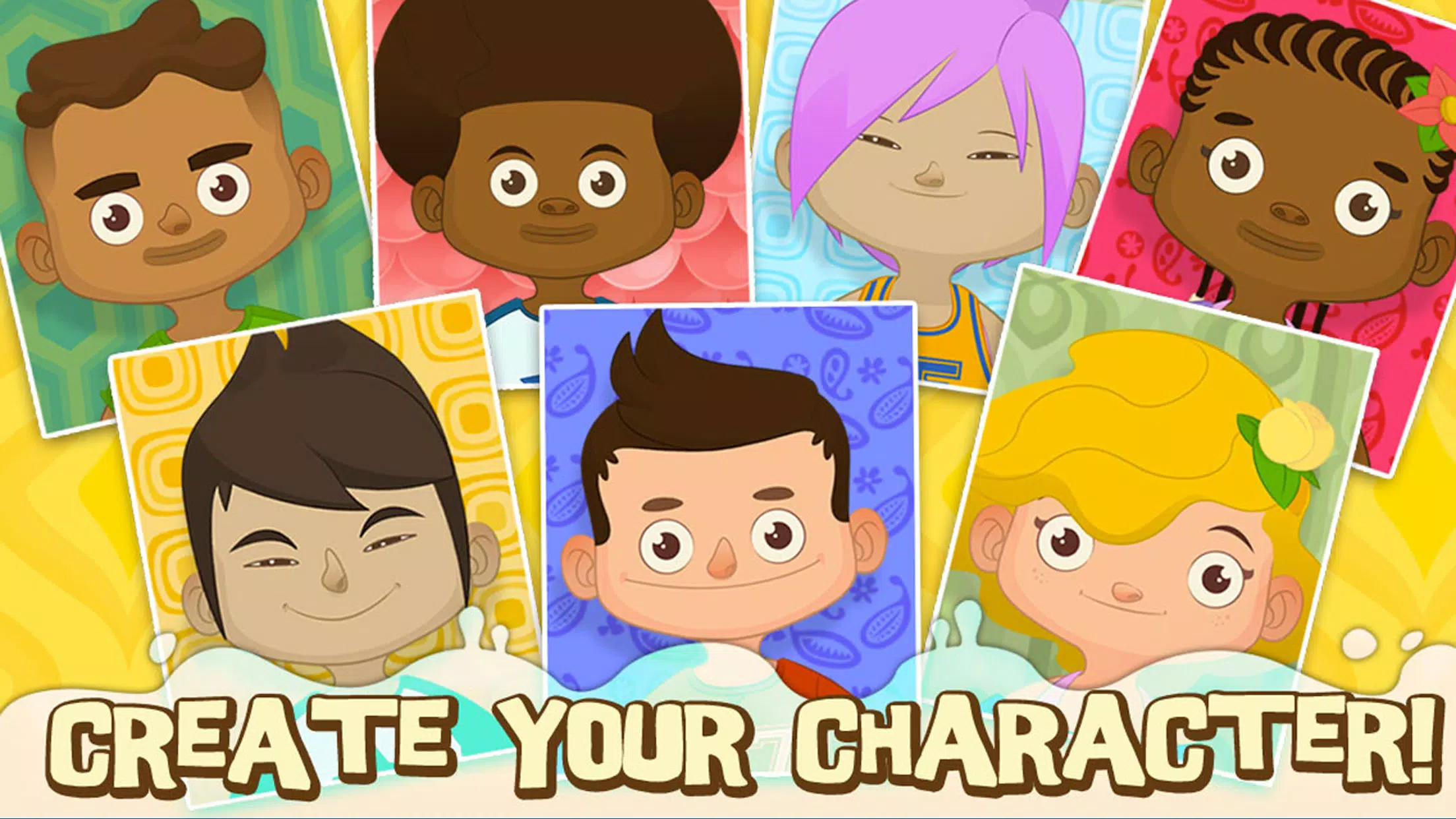
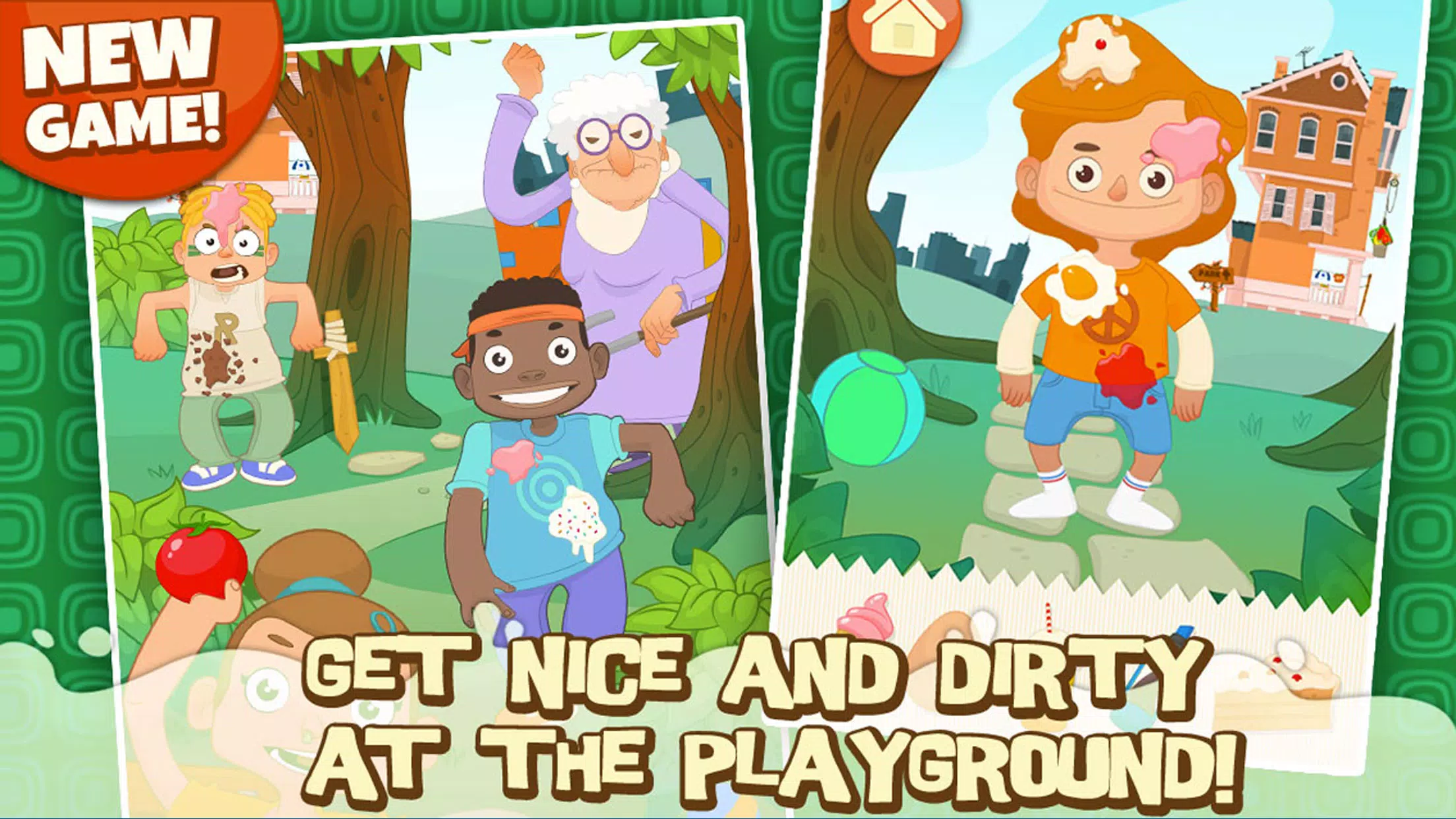
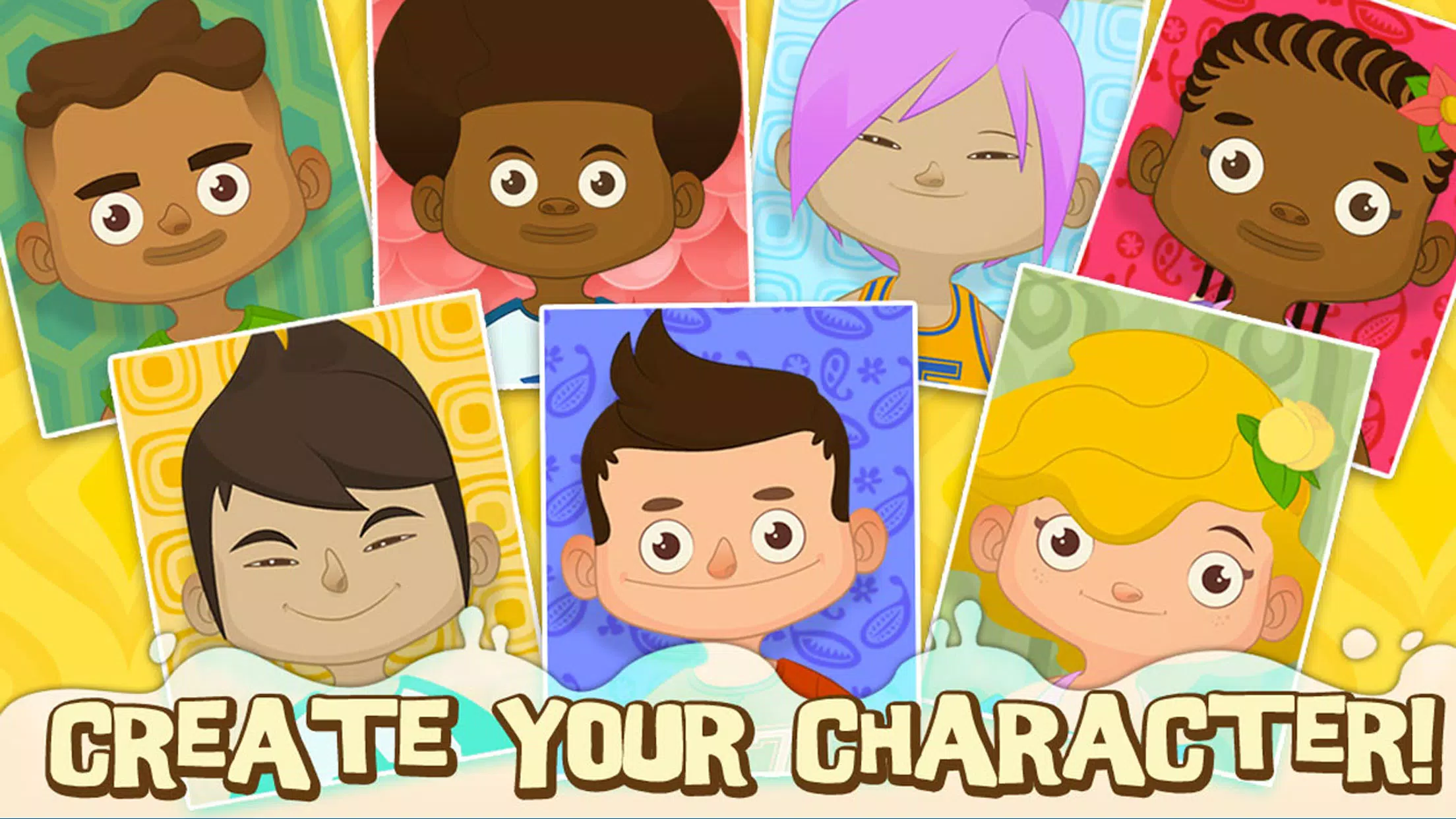
Dirty Kids presents a cast of stylized characters with distinct silhouettes and exaggerated animations to keep action legible in crowded scenes. Each avatar has small, predictable variations—slightly different movement speeds, throw strength, or recovery windows—crafted to encourage varied playstyles while maintaining balance. The art direction favors bold colors, clean shapes, and expressive motion so players can quickly identify opponents, items, and hazards during hectic exchanges.
Maps are compact but varied, designed to reward learning without overwhelming newcomers. Environments such as a cluttered kitchen, a retro arcade, and a mechanical workshop introduce themed hazards like slippery surfaces, breakable objects, and interactive props that alter positioning mid-match. Shortcuts and hidden routes provide tactical options for players who spend a few rounds studying layouts, and rotating map pools ensure a steady mix of familiar and novel arenas.
The progression system focuses on cosmetics and short-term objectives rather than power escalation. Players earn in-game currency and unlock items through match completion, daily tasks, and seasonal challenges. Customization includes skins, emotes, and small persona tweaks that change appearance without affecting fairness. Limited-time events introduce themed cosmetic bundles and temporary map variants to keep returning players engaged without altering core balance.
Matchmaking supports casual play and curated playlists to match preferred session types, and local party options let friends play together on the same network. Social tools remain lightweight: quick emotes, short preset messages, and cooperative group goals help with coordination while avoiding intrusive social features. The design encourages immediate fun and cooperative moments rather than complex social management.
Accessibility options include scalable UI elements, color-coded highlights for important objects, and adjustable touch sensitivity. Performance scaling adapts particle effects and draw distances to maintain steady frame rates on mid-range devices. For players who want to practice alone, a single-player tutorial and offline practice mode allow learning of movement, timing, and map quirks before joining multiplayer matches.
Audio design emphasizes clarity: distinct impact sounds, pickup cues, and movement effects help players interpret fast exchanges. Visual feedback such as exaggerated hit animations and temporary glow effects on power-ups communicates important events instantly. The combination of short rounds, varied arenas, and a steady flow of cosmetic rewards creates replay value and encourages players to try different characters and tactics over many sessions.
Early rounds are an opportunity to learn a few maps and recognize hazardous zones and shortcuts—map familiarity shortens decision time. Conserve major items for clutch moments rather than using them immediately, and adapt to mode-specific objectives since some rounds require more than eliminating opponents. Practicing basic throws, dashes, and timing in offline mode will improve consistency when you return to multiplayer.
Installation is straightforward from your device’s app store and first-time players are guided through brief tutorials that cover movement, item use, and essential tactics. After a handful of matches the systems feel intuitive, and personalizing your character with earned cosmetics becomes a natural way to mark progress. If you enjoy fast, repeatable matches with light progression, Dirty Kids offers approachable mechanics, clear visual feedback, and plenty of short-session replay value.